

Singapore grows as a hub to further the ‘pact’ in impact
The most pressing challenges of our time are too complex and interconnected to be tackled by single actors. Investment for impact demands collaboration
IN TODAY’S rapidly changing world, wealth is no longer just a measure of success. It is also a tool for significance. Among ultra-high-net-worth (UHNW) families, there has been a marked shift from preserving capital to deploying it with purpose.
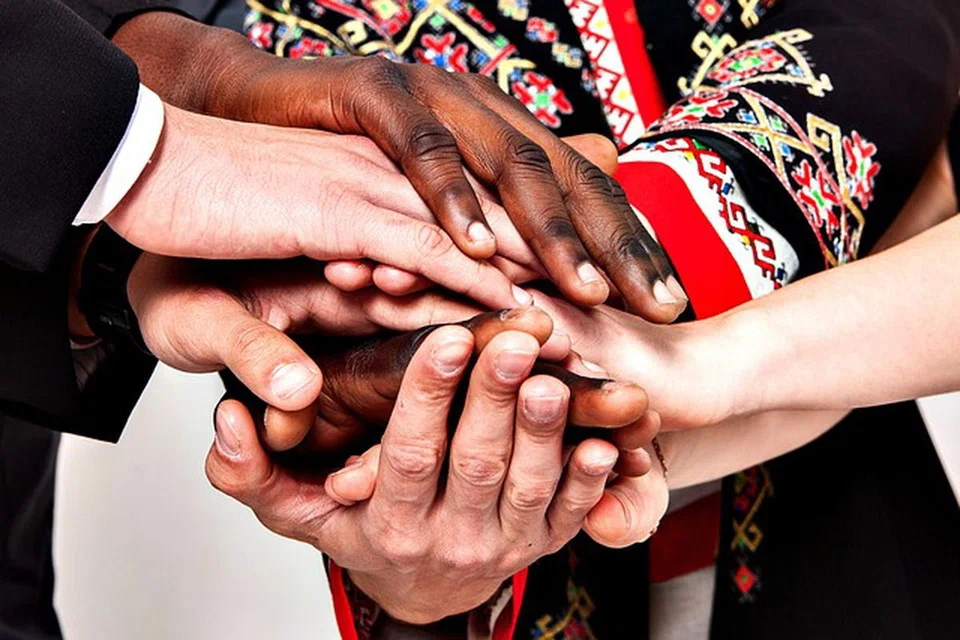
But purpose-driven philanthropy cannot thrive in isolation. The most pressing challenges of our time – such as climate change, inequality, public health – are too complex, too interconnected, to be addressed by single actors working alone. Sustained impact demands a collaborative approach – a pact for impact.
This is more than a mindset, it is a movement. Singapore, with its sophisticated financial infrastructure and expanding ecosystem for social good, is emerging as a hub for this kind of coordinated, cross-border giving.
Singapore: from wealth hub to purpose platform
Long known for its stability, transparency and investor-friendly policies, Singapore is now establishing itself as a launchpad for purpose-led capital. With over 2,000 single family offices and counting, the city-state is becoming a magnet not just for wealth, but also for those who want to use that wealth to effect change.
One standout initiative is the Asia Community Foundation (ACF), launched in 2023. As South-east Asia’s first regional community foundation, ACF was built to serve UHNW and high-net-worth families eager to give strategically across borders. It provides a trusted platform for pooled giving, multi-family collaboration and long-term engagement on critical regional issues, from education equity to climate resilience.
By offering structures like donor-advised funds (DAFs), ACF and other local institutions enable families to deploy capital collectively while retaining influence over how it is used. These vehicles offer flexibility and efficiency, minimising administrative complexity and maximising thematic alignment.
This is philanthropy not just as an act of generosity, but as infrastructure – durable, scalable, and built for systemic impact.
Why the siloed approach falls short
Traditionally, many UHNW families have taken a bespoke route – setting up private foundations, choosing causes close to their hearts, and independently funding programmes. While this offers control, it often leads to duplicated efforts, disconnected projects and missed opportunities for greater impact.
Social and environmental issues do not operate within neat boundaries. Ocean plastics do not respect borders. Neither do poverty, AI ethics or biodiversity loss. Addressing these requires collective intelligence, shared resources and aligned agendas.
In this context, a collaborative model, also known as “philanthropic syndicate”, offers a way forward. Like investment syndicates in venture capital, families can co-invest in causes where one brings capital, another brings insight, and a third contributes networks or influence.
Singapore’s infrastructure, ranging from Variable Capital Companies (VCCs) to blended finance platforms, makes these collaborations both viable and efficient.
Case in point: regional climate action
Consider the challenge of climate resilience in South-east Asia. Rather than fund fragmented efforts like scattered reforestation projects or isolated green tech pilots, a group of families could come together under ACF to form an impact or thematic fund or DAF focused on regenerative agriculture.
By pooling resources and being aligned on a shared mission, they can support social enterprises, work with public institutions, and drive region-wide programmes in South-east Asian countries like Indonesia, Vietnam and the Philippines. Together, they reduce risk, accelerate innovation, and achieve the kind of scale that influences policy and attracts further investment.
These efforts can all be coordinated from Singapore, leveraging its strong governance, philanthropic know-how and regional positioning.
Emerging role of the wealth manager
As collaborative philanthropy gains traction, wealth managers, especially those with an impact mindset and focus, are being called to play a far more expansive role. No longer confined to managing portfolios for pure financial return, they are increasingly becoming purpose architects, helping families articulate a clear mission that unites their investment strategies with their philanthropic goals.
This involves designing structures that enable scaled collaboration, such as DAFs, co-investment platforms or mission-aligned trusts.
Beyond structuring, they are also responsible for curating meaningful partnerships, connecting clients with other like-minded families, vetted non-governmental organisations, impact-driven funds and even government initiatives.
Critically, they must also guide families in measuring the outcomes of their giving. This means moving beyond traditional financial returns and embracing new metrics such as social return on investment (SROI) and alignment with the UN Sustainable Development Goals (SDGs).
In Singapore, a growing ecosystem of sustainability advisors, legal experts and philanthropy consultants, bolstered by initiatives like the Wealth Management Institute’s new certification in philanthropic and social impact, is empowering wealth managers to embrace this expanded mandate with greater confidence and clarity.
From legacy to leverage
For the next generation of wealth holders, who are often globally educated, digitally native and deeply impact-conscious, legacy is not about having a name on a building. It is about building ecosystems that last. It is not about giving back – it is about giving forward.
They are less interested in charity and more invested in systems change. They value collaboration over competition. And they are increasingly finding in Singapore the tools, partners and platforms to turn aspiration into action.
Ultimately, the “pact” in impact is more than strategy. It is a covenant. A covenant between families, across generations and beyond borders – one that signals a shift from reactive charity to proactive systems change, from individual giving to collective transformation.
In a fragmented world, coordinated action is not just beneficial, it is essential. Singapore, with its unique convergence of trust, infrastructure and purpose, stands ready to lead this next era of philanthropic collaboration.
For families of wealth, the call is clear to mobilise, not just manage – and to do it together.
The writer is a managing director in Singapore at AlTi Tiedemann Global. The views and opinions expressed in this article are solely his, and do not reflect the views or positions of AlTi Tiedemann Global or its subsidiaries.






