Sustainable aviation fuel garners Asian support as key decarbonisation pillar
Such fuel could contribute around 65 per cent of the reduction in emissions needed by sector worldwide to reach net-zero in 2050, says IATA.
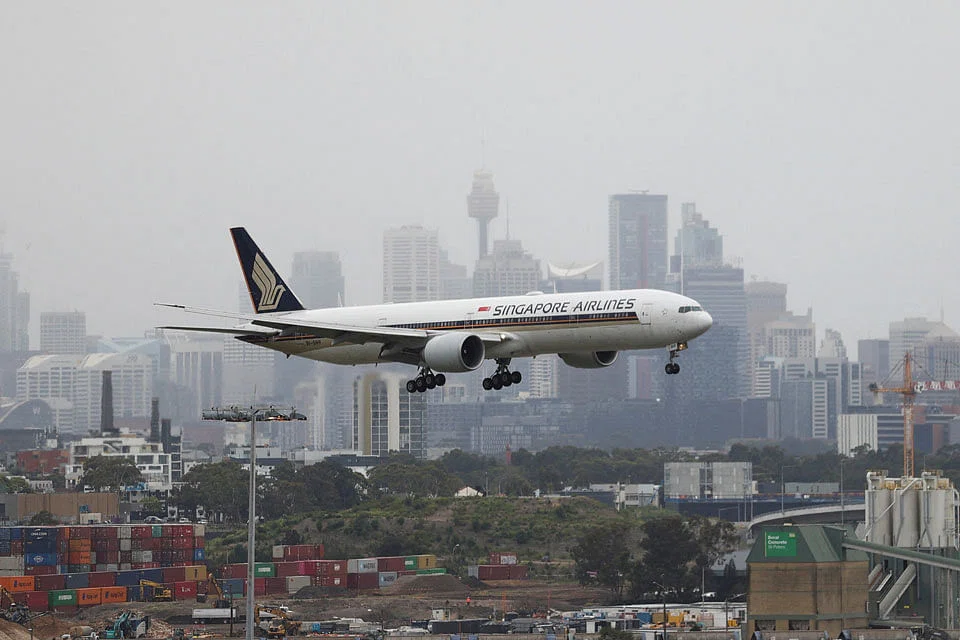
SUSTAINABLE aviation fuel (SAF) is gaining widespread consensus as a key lever to decarbonise the aviation industry, with the dark clouds shrouding its ubiquitous use showing signs of dissipating in Asia as various industry stakeholders come together across the value chain to accelerate its use.
"We are all big advocates for the development of alternative propulsion solutions including hydrogen, hybrid-electric and electric, and we also recognise that SAFs are a key building block to set us on our path towards achieving our long-term decarbonisation goals," Grazia Vittadini, chief technology and strategy officer at Rolls-Royce, said on Feb 15.
On the same day, Rolls-Royce, Airbus Safran and Singapore Airlines inked the Global Sustainable Aviation Fuel declaration, calling on industry partners from the aerospace, aviation and fuel value chains to collaborate towards SAFs uptake and to ensure its steady ramp-up over the next 10 years.