

Taking the risk out of blue investments
Financial structures that reduce the risk of financial loss in a deal, or de-risking, should be at the heart of any approach to mainstream blue finance
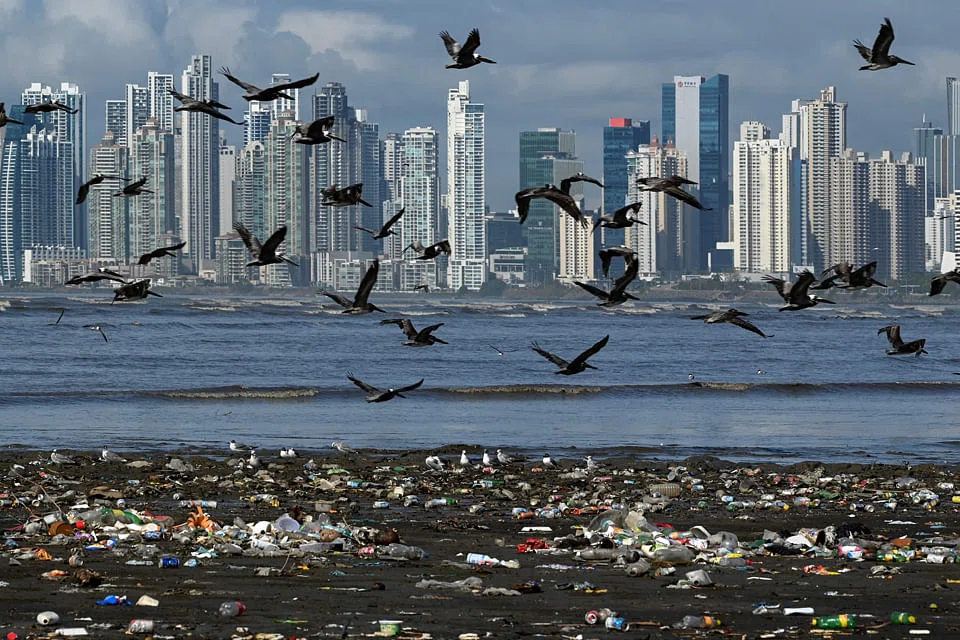
IMAGES of dying or dead whales stuffed with plastics, sea turtles caught in fishing nets, and seagulls covered in oil underscore the perilous state of our oceans more powerfully than any statistics. More than 90 per cent of global warming from 1971 to 2010 occurred in the oceans, resulting in massive destruction of marine life.
If treated as a nation, oceans would be valued at an estimated US$24 trillion, according to a report commissioned by World Wildlife Fund (WWF). Millions of people depend on ocean resources. But this economy is under siege: The ongoing and frighteningly fast destruction of marine biodiversity, inextricably linked with climate change and pollution, threatens global food security, lives, and livelihoods.
The Covid-19 pandemic has clearly shown that proactive investments can prevent or reduce the impact of crises at a fraction of the cost compared to investments required to address emergencies and finance recovery measures from a crisis after it materialises.
TRENDING NOW

Once staunchly pro-China, Malaysian Chinese businesses are now distancing themselves from Beijing

Britain’s mansion tax shows the difficulty of targeting wealth

Three hats, one goal: How Ng Kian Swan runs sustainability at NUHS

COE review: The gap between luxury and mass-market cars isn’t the only one worth bridging

