Tariffs challenge: What markets are and aren’t pricing in
Earnings expectations have not yet corrected enough to price in the recessionary scenario that bond markets fear
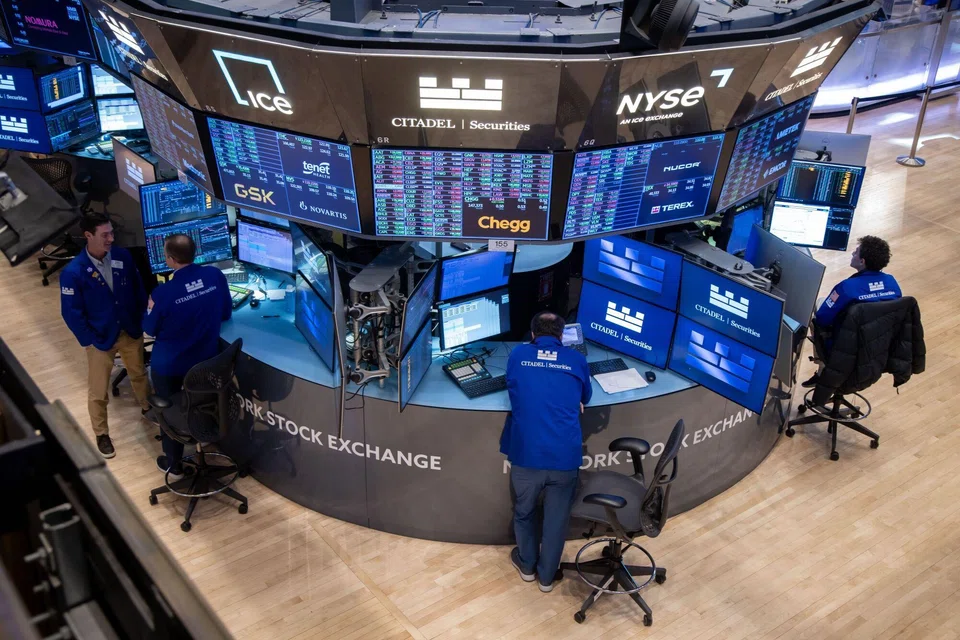
MARCH and early April saw a surge in volatility with global equity markets falling; extreme two-way swings in US bond yields; gold prices pressing substantially higher; and the greenback sliding as uncertainty about the path forwards for the global economy and the global order grew in only the third month of US President Donald Trump’s term in office.
Indeed, the new administration unveiled wide-ranging tariffs in early April, and markets moved to price in the prospect that these actions would put a medium-term dampener on economic growth, as well as upward pressure on inflation with an effective tax on the American consumer and businesses.
Patrice Gautry, UBP chief economist, estimates that tariffs could push average headline inflation above 4 per cent depending on the breadth of implementation and potential retaliation, with US economic growth potentially falling to less than 1 per cent in the quarters ahead.
Markets, just like US Federal Reserve chair Jerome Powell, appeared to initially focus on the second potential impact – weaker growth – and only a “transitory” rise in inflation, as described by Powell in his March press conference.
The two-year inflation expectations have risen in recent weeks, but five-year inflation expectations are now the most deeply below their two-year counterparts since 1980, outside the 2020 global pandemic’s initial deflationary shock.
This suggests that markets are not focused on medium-term inflationary concerns. Instead, US Treasury yields are closer to pricing a recessionary environment – weak growth and weak medium-term inflation.
Global equity investors have similarly repriced growth expectations, as apparent in the sharp fall in US equities, while the early-2025 rallies in European and Chinese equity markets have since unwound.
Despite the turmoil of March and April, overall valuations in global equity markets have only returned to near-historical averages. This suggests that global equities have simply unpriced – rightly, in our view – a repeat of the 2017 US-centric economic and corporate earnings boom that came in Trump’s first year in office, in favour of more moderate but still supportive economic and earnings growth expectations.
These more measured expectations, though, are likely still more optimistic than our base case scenarios and certainly fail to reach the recessionary environment that bonds increasingly priced in following Trump’s “Liberation Day” tariff announcement.
Indeed, while US equities have reversed the Trump election-inspired valuation optimism, earnings expectations have not yet corrected enough to price in the recessionary scenario that bond markets fear.
In a similar vein, European equities have retraced the early-2025 gains fuelled by hopes of economic recovery following the historic fiscal stimulus approved by Germany’s government.
In light of tariffs, valuations have retreated, though they still sit above historical averages. This suggests a market expectation that either Germany’s fiscal spending can offset much of the export headwind from American tariffs, or that the US trade levies may not return following their 90-day pause.
Such expectations stand in contrast to the Treasury market pricing in an economic downturn that might come with the promised retaliation measures.
In contrast, in China, the January unveiling of DeepSeek’s R1 artificial intelligence model rekindled “animal spirits”, driving valuations up to levels not seen since prior to the global pandemic.
The tariff announcements have, even more so than in Europe and the US, almost fully reversed the valuation expansion seen since late 2024. Despite this, earnings optimism has grown especially among the nation’s technology leaders.
As a result, China – now subject to the most onerous tariffs from the world’s largest economy – has seen its equity markets increasingly price a recessionary outcome, with valuations approaching historical cycle lows.
A key risk to the growing concern over global economic growth prospects, as reflected in bond and select equity markets, is fiscal policies just over the horizon. Trump’s tax cuts and broader budget plan are set to be unveiled ahead of the July-August debt ceiling deadline.
Moreover, with the Friedrich Merz-led German governing coalition now formed and set to spend, the European Union is still negotiating to match Germany’s fiscal largesse across defence and infrastructure.
Similarly, China looks set to lay out its own measures. It rolls out the next iteration of its Five-Year Plan by October, as it seeks to transform itself into a more consumer-led economy as tariffs threaten its export orientation.
Such measures across the three largest economic blocs in the world, if substantial and delivered on schedule, remain unpriced across global bond and equity markets currently.
The one asset that has weathered Trump 2.0 well to date has been gold, having breached US$3,400 an ounce in April.
A structurally weak greenback appears to be unfolding – as evidenced by the breakout in the euro relative to the US dollar into the US$1.10 to US$1.20 range.
Historically, greenback weakness has been a key catalyst for secular gold bull markets.
This catalyst complements central bank purchases of gold at the expense of US Treasury bonds. This began following Russia’s 2022 invasion of Ukraine, as the US froze Russia’s central bank holdings of government bonds. Currently, even Europeans are wary of holding US Treasuries as reserve assets.
A broadening of central bank and private sector purchases of gold rather than the previous safe-haven US Treasuries is among the growing signs of capital flight from US dollar assets. In 1971, similar signs presaged the severe disruptions in the global monetary orders.
In combination, the structural weaker greenback and capital flight from US dollar assets should now drive gold towards US$4,000 per ounce by early 2026.
Thus, even with Trump’s announced tariffs, and despite the declines in equity markets and volatility in bond yields, markets are still in the process of pricing in the impact on growth and inflation.
Beyond this, investors should not overlook the fiscal policies that likely will come in the months ahead to protect domestic economies around the world.
As a result, investors will need to continue to lean on assets, such as gold, hedge funds and cash, as their strategic foundation for risk management, and complement this with the tactical overlays that have been valuable amid the recent market turmoil – until markets more fully price in the new growth, inflation, monetary, fiscal and geopolitical landscapes taking shape around the world.
The writer is group chief strategist at Union Bancaire Privee, a private bank and wealth management firm