
Unique asset class to hedge inflation and diversify risk
Enduring trends underpin the commodities asset class. Investors may consider a satellite exposure to participate in secular growth trends
 Add BT as a preferred source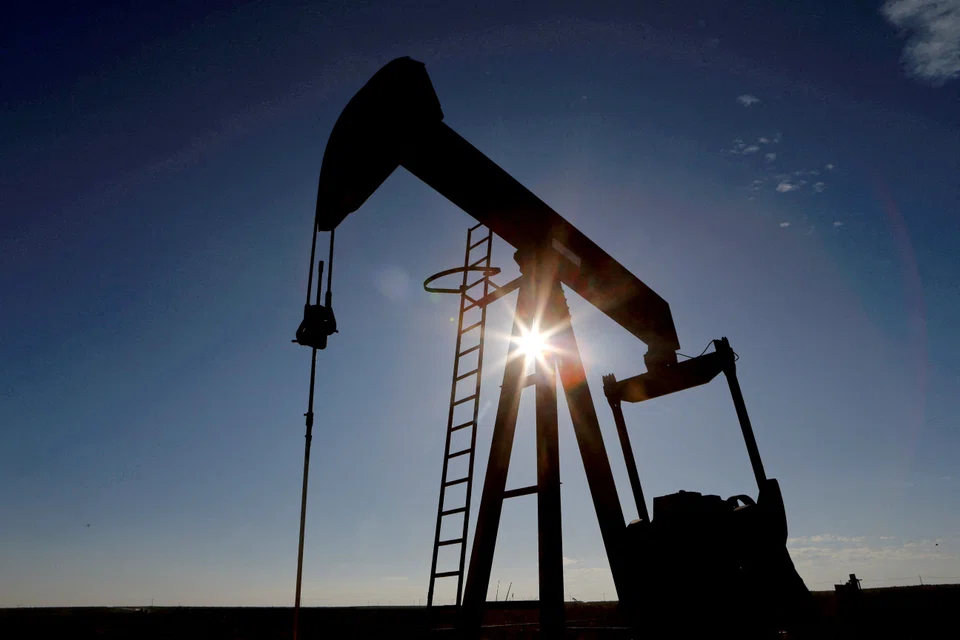
TWO crises of the past two years shine the spotlight on commodity markets. Supply chain disruptions brought about by Covid-19, and more recently the Russia-Ukraine war, coupled with rising demand from the post-pandemic reopening, have sent commodity prices through the roof.
But while this price volatility may be alarming, it is not without precedent. The inelastic nature of demand and supply implies short-term price fluctuations in individual commodities are common. Beyond the immediate ebb and flow of commodity prices, however, are more enduring trends that underpin the asset class. These include:
- Fossil fuels’ continued relevance in the medium term. Despite the ESG narrative aspiring to phase out fossil fuels in favour of renewables, oil and gas are expected to continue fuelling a significant share of the world’s energy needs in the medium term. The majority of the world’s infrastructure is still outfitted to utilise fossil fuels, and renewables are still playing catch-up, for example, in terms of energy density and transportability – two key traits for usability in aviation and shipping applications. Couple that with chronic underinvestment in fossil fuel production given the energy transition narrative, and we could see persistent elevated prices as the sector juggles decarbonisation targets and energy demand.
- Long-term transition towards lower carbon intensity. The continued significance of fossil fuels does not detract from a longer-term green energy transition. This transition is on track to reshape commodity markets in the long run, given the vast amounts of metals that are crucial for the construction of low-carbon infrastructure, such as iron ore for wind farms, copper for solar panels, and lithium for battery storage. Despite this, mining and resource companies continue to underinvest in the production of metals due to regulatory roadblocks. This layers a cost-push element to “greenflation” – or rising costs of materials used in the green transition.
- Global fragmentation driving up price risks. Pandemic-induced supply disruptions over the past two years have fuelled protectionist inclinations as policymakers focus on safeguarding supplies, especially food and energy, as a matter of national security. To add to this, the Russia-Ukraine war may have implications on commodity markets beyond the ongoing sanctions. Firstly, starving Russian hydrocarbon and mineral extraction resources of foreign capital flows will limit supply from Russia in the longer term. Secondly, the current conflict may amplify risks of global fragmentation between democracies and autocracies, with extended ramifications on global trade. This would exacerbate commodity price risks, given Russia’s prominence in global commodity trade.
The above trends reiterate that while demand for specific materials could be dramatically altered, the world will always need commodities. The world’s dependence on commodities and the interaction between commodity supply, demand, and overall development of technology, make commodities a unique asset class that provides the following benefits to investors:
Decoding Asia newsletter: your guide to navigating Asia in a new global order. Sign up here to get Decoding Asia newsletter. Delivered to your inbox. Free.
Share with us your feedback on BT's products and services

