

The US debt ceiling: A slow burn, not a big bang
A US bond default is very unlikely, even if the debt ceiling fight persists. The real effect is a temporary fiscal hit that should reverse when the limit is raised.
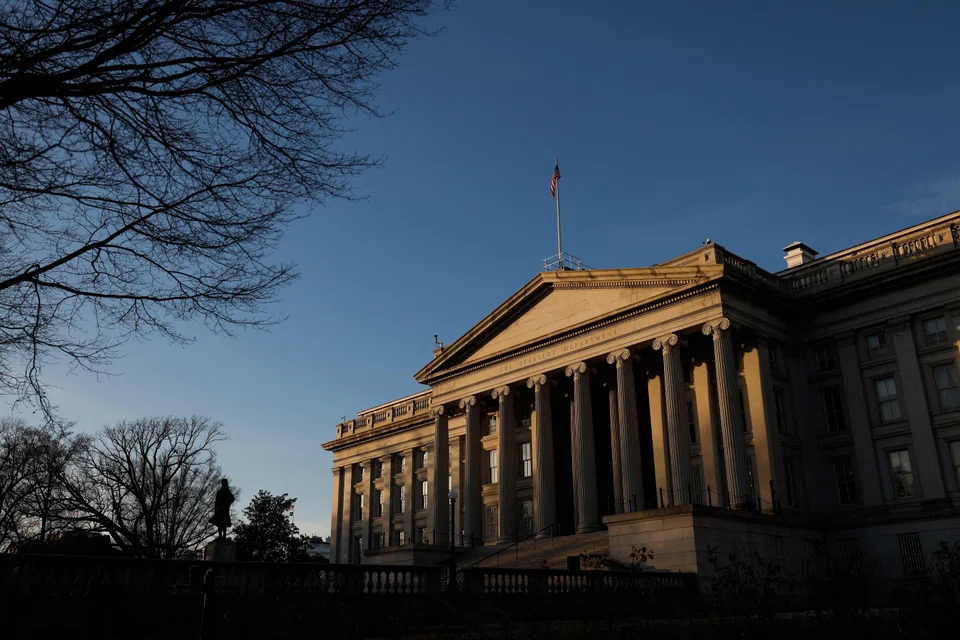
OVER the past decade, writing about the debt ceiling has become a rite of passage, for both sell-side analysts and the financial press. Endless ink has been spilled speculating whether this is finally the one time when the debt ceiling is not raised. And sure enough, it’s that time of year again.
Here we go again
Treasury Secretary Janet Yellen has told Congress that Jan 19 was the date on which the US officially reached the debt limit. The Treasury is now using extraordinary measures to pay the country’s bills and service its debt, as it has done several times in the past decade.
“But wait!” we can hear some clients say. Surely this time the risks are higher? After all, for the first time in over 150 years, the House needed 15 ballots to decide the Speaker election. Republican House members, especially the ones who refused to vote for Speaker Kevin McCarthy for 14 long rounds, have demanded that any increase in the debt limit be paired with spending cuts – a condition that the Biden administration has so far refused point-blank. Doesn’t this kind of political dysfunction make it more difficult to raise the debt limit this time around?
TRENDING NOW

Mooted COE changes will solve category issues, but higher premiums likely: observers

Grab CEO’s wife Chloe Tong on life with Anthony Tan and finding her purpose

Once staunchly pro-China, Malaysian Chinese businesses are now distancing themselves from Beijing

Cliff Tan has 7 million followers and a 4-month waitlist. Why won’t he expand his business?

