
US quantitative tightening taking off after all
The Fed will slow the reinvestment of maturing bonds, not sell bonds.
 Add BT as a preferred source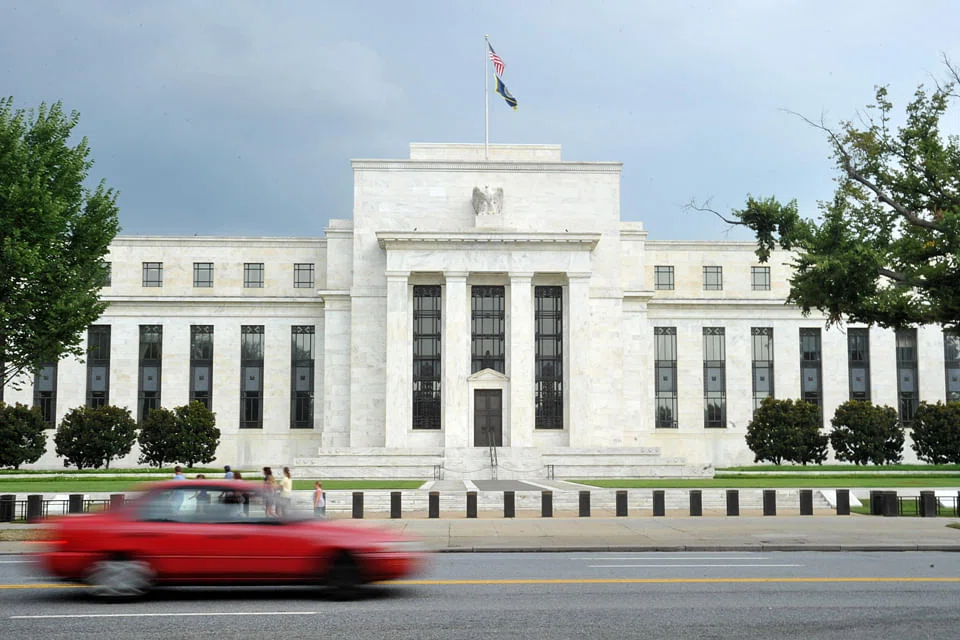
THE US Federal Reserve provided few surprises following its September meeting. While it left interest rates on hold, it confirmed that it would begin what it calls "balance sheet normalisation" next month and continued to signal its expectation that it would raise interest rates again in December and in the years ahead. While projected interest rate increases were lowered slightly for 2019, the Fed was more confident of another rate hike this year than markets had expected. So while US shares were little changed overnight, bond yields and the US dollar rose slightly.
While well flagged and so no surprise, the Fed's move to start balance sheet normalisation is a momentous shift and tells us just how much stronger the US economy has become in recent years. Balance sheet normalisation basically involves reducing the Fed's balance sheet back to more normal levels after it was boosted by post Global Financial Crisis "quantitative easing" (QE) or bond buying using printed money.
Only a few years ago, there was talk of "QE forever" and how "the Fed will never be able to unwind it"! Quantitative easing was never optimal to help recover from the Global Financial Crisis but after further fiscal policy stimulus was ruled out, it was all the US had. And it worked. So now it's time to start reversing it.
Share with us your feedback on BT's products and services

