

What's new in pension portfolios: Sex shops
The pursuit of a stable income has driven Europe's pension funds into investing in anything from Dutch sex shops to British bingo halls
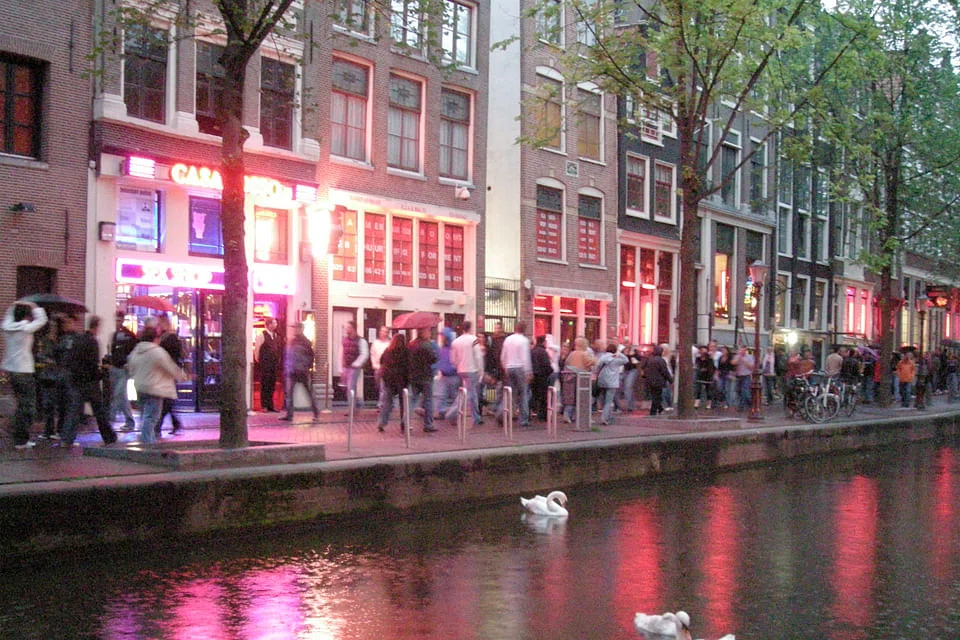
THREE years ago, Amsterdam's mayor asked a roomful of pension fund managers if they'd be willing to invest in the regeneration of his city's notorious red light district. Two lonely hands went up.
The same question today might have triggered a bidding war. "In the current market, everyone in that room would have raised their hands," said Boris van der Gijp, a director at pension fund adviser Syntrus Achmea Real Estate & Finance, who attended the event. "But at that moment, there were not that many parties who would even assess this kind of deal."
In an era of record low interest rates and ageing populations, the most risk averse of institutional investors are now buying assets that would have once seemed inconceivable. With much of their bread and butter - government bonds - yielding less than zero, the pursuit of a stable income has turned Europe's pension funds into anything from landlords of Dutch sex shops and British bingo halls to investors in lotteries in Gibraltar. The retirement savings for employees of the British Broadcasting Corp are helping to pay for a new sewage tunnel in London, while Pension Insurance Corporation bought Virgin Atlantic debt that's backed by landing slots at Heathrow Airport. Germany's Versicherungskammer Bayern even looked at investing in refugee shelters earlier this year.
"Pension funds really need income at a time when yields are low so they are casting their net quite widely," said John Walbaum, head of investment consulting in Edinburgh at Hymans Robertson, which advises pension funds. "The days of just buying equities and bonds and nothing else are gone. They need to generate a fixed pattern of cash."
Up for grabs in Amsterdam back in 2013 was a stake in a portfolio of small buildings, many of which were being rented out to brothel owners, sex shops and coffee shops where more marijuana is sold than hot drinks - all of which are legal. The city had been courting around 30 investors since 2009, though none of them followed through because of the risks. At the conference, Mayor Eberhard van der Laan then challenged them to step up. The two interested parties were pension funds representing Dutch agricultural workers and employees of Rabobank Groep, the second-largest lender in the Netherlands by assets, according to Mr van der Gijp, who is advising both.
Money going anywhere near Amsterdam's housing market would have been enough to raise eyebrows after the crash of 2008, let alone buying a building that may have been used for prostitution. Their willingness to consider a deal was telling of the pressures that were emerging when a 10-year Dutch government bond yielded just over 2 per cent. Today, it's near zero.
The funds agreed in July this year to acquire a 35 per cent stake in a portfolio of about 100 buildings for 60 million euros (S$92.2 million). The terms stipulate that no property is allowed to be used for prostitution or drugs, but shops selling sex toys are okay, at least until the lease runs out. The assets at the time were only expected to yield a "few hundred basis points" at best, but it was the rights to more lucrative residential developments outside the city centre that secured the deal, Mr van der Gijp said. "A pension fund owning a sex shop is not very normal but financially there is a very strong business case," he said from the Dutch capital. "Competition for real estate assets today is fierce." Last year, Amsterdam's residential property market recorded total returns of 10 per cent to 15 per cent, he added.
When interest rates were higher, insurers and pension funds were happy to buy government bonds that provided enough of a return to cover their long-term liabilities and an income to meet short-term payouts. By the early 2000s, pension managers had started buying more alternative investments such as hedge funds and private equity, citing diversification as the way to limit losses.
Allocations to alternatives assets in the world's biggest pension markets grew to 24 per cent by 2015 from 5 per cent in 1995, according to data from Willis Towers Watson. Eventually what was previously considered alternative became mainstream. Now the search for the next alternative is on, and nowhere more so than in Europe.
Bond purchases by the European Central Bank has meant that about US$4 trillion of bonds in the region yield less than zero. In the UK alone, the shortfall for pension funds that pay retirees a percentage of their final salary hit £1 trillion (S$1.7 trillion) over the summer after yields plummeted in the aftermath of Brexit, according to Hyman Robertson.
"What has worked in the last eight years is not going to work in the next eight," said Ingo Heinen, head of alternative investment sales at BlackRock Inc in London. This hunt for yield "is a continuation of a trend that we have seen for a few years now, but now we are having more conversations with our clients than ever and they are putting more and more money to work in real assets."
The reach for returns has ended in tears before, though these are exceptional times and it means there are some unlikely beneficiaries of pension money. One has been Gibraltar-based Lottoland Ltd, which allows punters to bet on the world's biggest lotto draws including EuroMillions and MegaMillions. Chief Executive Officer Nigel Birrell first tapped investors in 2015, raising 100 million euros to help insure against large jackpot payouts.
Then there's bingo. M&G Investments, on behalf of clients including the pension fund representing the British Medical Association, bought 52 clubs from Gala Leisure Ltd for £173.5 million offering a net yield of 8.4 per cent. The property fund, overseen by the head of real estate income Ben Jones, has already put pension money into rehabilitation clinics, health clubs and car-auction sites. BLOOMBERG
TRENDING NOW

World’s largest offshore wind platform by Seatrium consortium on track to be completed by 2028

Is stamp collecting enjoying an analogue revival or are its best days over?

GovTech retrenches another 38 staff in second round of layoffs

MBS adjusted property Ebitda falls 20.6% in Q3 with fewer high-roller visits, weaker hold

