

When will the Fed declare victory?
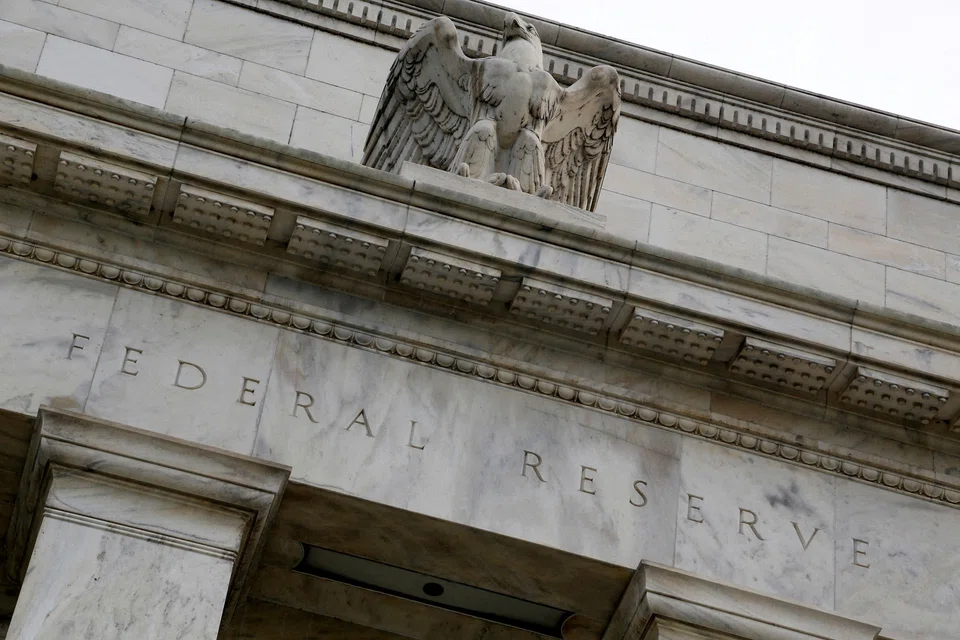
THE defining feature of the first half of 2022, from a financial market perspective, has been the dramatic change to US interest rate expectations. This has led to both bond and equity markets posting significant losses across the board. A natural question, therefore, is when will the Fed declare victory. We are getting closer to that point, but given what is at stake, it will probably err on the side of caution for a little while longer.
At the end of 2021, the Fed was projecting that it would raise interest rates by 75 basis points (bps) in 2022. By March this year, this had risen to 175 bps, and by June to 325 bps. I have been professionally tracking the financial market for over 25 years and this is by far the most dramatic shift in expectations I have seen in a 6-month period.
At the theoretical level, one can question why the Fed should be responding to an inflationary problem that is largely supply-side driven and, by definition, is not something the Fed can address. The answer is that the Fed believes the risks of inflation expectations becoming entrenched, regardless of their cause, was just too great. Therefore, it was important that the market believed that the Fed was willing to drive the economy into a recession, if that is what was required, to bring inflation expectations lower.
For investors, the more relevant question is - what does the Fed do now and what does this mean for the outlook for financial markets?
On the face of it, in the absence of another supply shock, the Fed looks likely to be on the brink of accomplishing what it set out to do. Long-term inflation expectations have been brought back to around 2 per cent, the Fed’s long-term inflation forecast. Meanwhile, the recent run-rate for wage growth has slowed to around 4 per cent, compared to over 8 per cent at one point in Q4 last year. This is arguably consistent with an inflation target of 2 per cent.
Meanwhile, on the growth side, more indicators in our recession risk heatmap are flashing red and the trend of almost all of these indicators is negative. A month ago, we had 2 indicators flashing red (out of 14). Today, there are 5. The most recent addition is the inversion of the US government bond yield curve, with the 10-year yield falling below the 2-year yield. This is not as definitive a signal of a forthcoming recession as when the 10-year yield falls below the 3-month yield, but it does signal an increased risk of recession in the coming 12-18 months.
All this suggests that the Fed should start backing off from the dramatic pace of rate hikes it is projecting. Indeed, we could even make the case for the Fed to pause for a while to see the impact of the tightening already implemented on the economy – in addition to the rate hikes themselves, higher bond yields, wider credit spreads, higher commodity prices, weaker equity markets and a stronger dollar are all factors that are likely to undermine growth as well.
However, we doubt such a pivot is imminent. The Fed has to weigh up the risks of different policy actions, not just to the economy, but also to its credibility. Having come under huge criticism for not realising the magnitude of the inflation risks until it was too late, it may well take the view that it cannot risk another inflation surge. While oil prices have come off a bit in recent times, the energy market demand-supply balance is highly uncertain given the risk of tit-for-tat retaliation between Europe and Russia and the US’s apparent waning influence in the Middle East.
Therefore, we expect the Fed to delay signalling a change to its policy outlook beyond what a more impartial analysis of the data might suggest is warranted. This outlook has encouraged us to raise our probability of a US recession in the next 12 months. We would argue that a mild recession is largely priced in by equity markets and therefore now is not the time to be giving up on the outlook for equities. However, the outlook for slower growth and an ultimate repricing lower of interest rate outlook should be supportive of bonds where yields have become increasingly attractive in our opinion. Therefore, we have increased our recommended allocation to bonds by 5-10 per cent in our moderate-risk allocations as we enter the second half of the year.
The writer is chief investment officer at Standard Chartered Bank’s Wealth Management unit.
TRENDING NOW

Two Singapore-listed palm oil firms named in Greenpeace report on Indonesian plantation fires

Singapore Airlines flight returns to San Francisco after ‘unruly’ passenger incident

Singapore looking into which companies responsible for haze-causing fires: PM Wong

Deluge IPO 3.86 times subscribed ahead of SGX debut

