
Defence to fortify the future
The sector has emerged as a focal point of economic and strategic importance
 Add BT as a preferred source
[SINGAPORE] Defence spending is witnessing a notable upward trajectory, reflecting a desire to bolster military readiness and capabilities.
This is supported by a number of factors:
- Expectations of greater defence spending in Europe with the turning of the fiscal tide;
- A gradual alleviation of concerns relating to spending cuts in the US related to the Department of Government Efficiency;
- Plans for a US$175 billion “Golden Dome” defence shield in the US;
- India-Pakistan tensions; and
- Israel-Iran tensions.
Indeed, the sector has emerged as a focal point of economic and strategic importance, driven primarily by geopolitical tensions and a greater desire to fortify the future.
We believe there are structural shifts taking place which lend support to a constructive longer-term view of the defence sector, though valuations have also risen to reflect brighter prospects.
US defence budgets remain on the rise, while Europe is expected to ramp up its defence spending significantly over the next few years.
Asia’s defence sector is also well positioned to benefit from the spillover effects of increased demand for military equipment.
Navigate Asia in
a new global order
Get the insights delivered to your inbox.
Fuelling the war chest: rising US defence budget
Defence budgets usually ebb and flow with a nation’s wealth and its perception of danger. In the US, both have been on the rise, and among many US allies, notably Germany and Japan, geopolitics is leading to larger military budgets than we have seen for decades.
To put this into perspective, it is estimated that the portions of the US defence budget relevant to one of the top defence contractors and its many subcontractors shrank between 2011 and 2016 by 3.7 per cent annualised. These budgets grew by 6.6 per cent a year between 2016 and 2022.
On May 22, 2025, US President Donald Trump unveiled plans for a “Golden Dome”. This is a layered defence shield which will identify incoming projectiles, calculate their trajectory and deploy interceptor missiles to destroy them mid-flight, among others.
The programme is expected to be completed before the end of his term, and the Trump administration had expected it to cost US$175 billion, with US$25 billion in initial funding.
This is an opportunity for US defence contractors to capitalise on integrating new technologies with their existing product suites.
Other companies which provide IT services to the US government in the area of defence may also see some exposure to the layered systems integration and sensors. Overall, we continue to expect strong US defence spending to bolster the country’s military capabilities.
Strong orders and book-to-bill ratios in Europe
We believe that Europe is still at the early stages of a multi-year growth cycle in the defence industry. Book-to-bill in the sector has historically been quite volatile, as large milestone orders and payments tend to fluctuate significantly across quarters.

However, overall order momentum has been very positive over the past 18 months and a significant amount of framework agreements – mainly from Germany – are actively being converted into firm contracts, providing years of visibility.
Most defence companies have highlighted strong demand and outlooks based on the budget commentary. We anticipate book-to-bill multiple to remain above 1x, as the effects from the increasing European Nato budgets start to show in the order intakes of companies from 2026 onwards.
The main long-run benefit of defence spending will most likely come from the innovation it could spur.
Increasing the share of defence spending devoted to research-and-development-intensive equipment could notably increase the growth impact of higher defence spending by generating spillover effects, but this would also take time to materialise.
Asian firms ride the defence wave
As Europe ramps up its defence spending, Asia’s defence sector is well positioned to benefit from the spillover effects of increased demand for military equipment.
South Korea, in particular, is shaping up as a key player in the global arms market, with significant orders for land-based systems such as surface-to-air missiles, tanks and artillery.
The country’s strategic focus on exporting advanced military technologies has positioned it as a major supplier to European nations seeking alternatives to traditional suppliers.
Defence-related firms in Singapore are also poised to capitalise on the higher European defence spending.
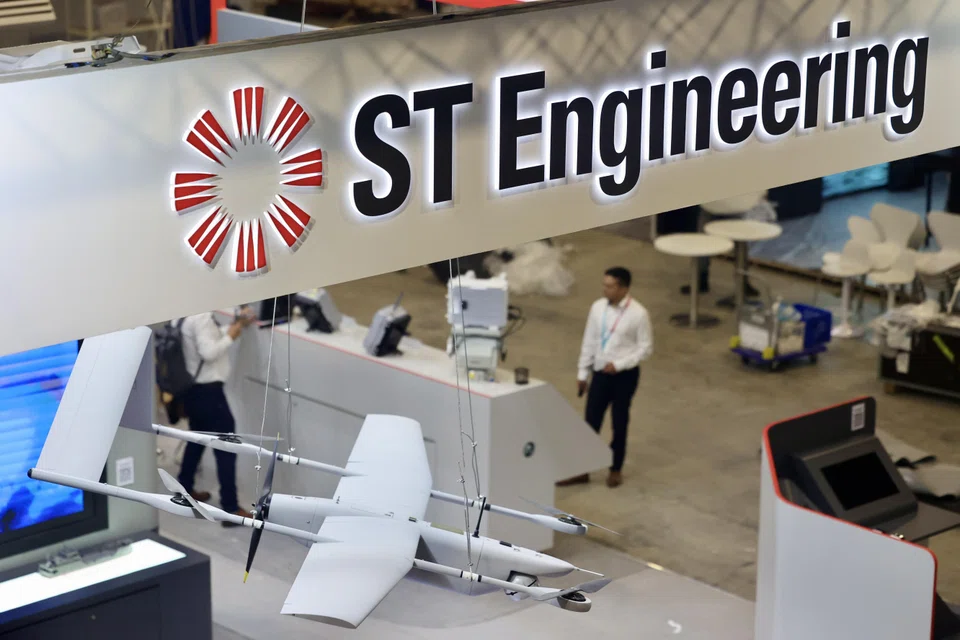
In particular, a well-established company in Singapore has secured substantial contract wins, particularly in international defence, with significant orders for unmanned aerial systems and munitions.
Defence boom
Within Asia, there is also greater investment in defence with a strategic shift towards localisation and self-reliance.
The declines in arms imports across many Asian countries in the periods 2015 to 2019 and 2020 to 2024 highlight this shift. This trend is likely driven by a desire to reduce dependency on foreign suppliers and enhance domestic defence capabilities.
Countries are making substantial investments in their defence sectors, with commitments seen in the establishment of strategic business units and investments in advanced technologies.
Along with these are opportunities for the longer-term investor as well.
The writer is head of equity strategy, Bank of Singapore
Decoding Asia newsletter: your guide to navigating Asia in a new global order. Sign up here to get Decoding Asia newsletter. Delivered to your inbox. Free.
Copyright SPH Media. All rights reserved.

