

The new patience: How Barclays is helping Asia’s wealthiest families take a longer view of wealth
While a volatile macroeconomic backdrop can be unsettling, Barclays believes uncertainty should not be seen as something to be feared
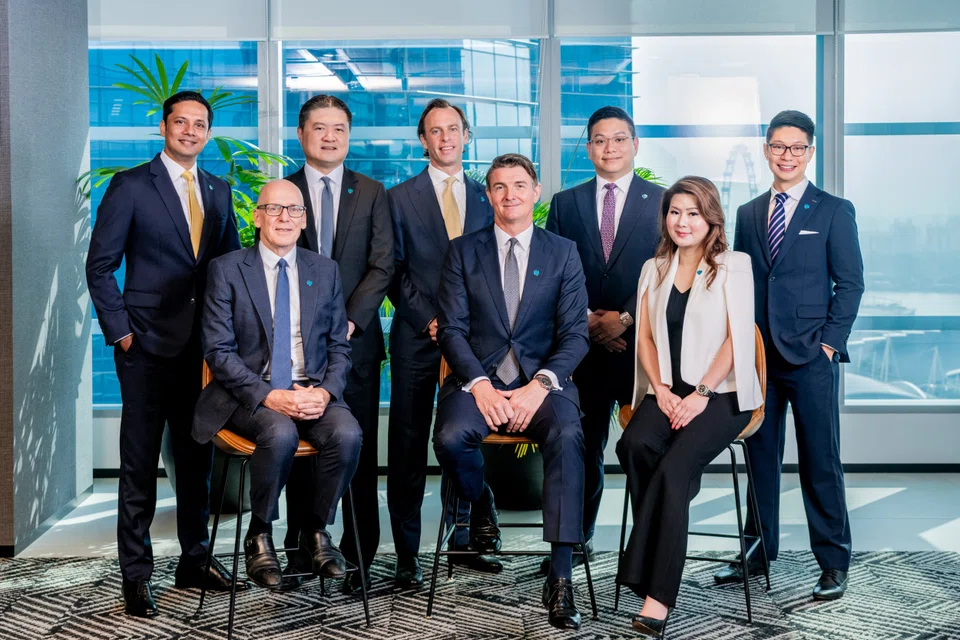
EVERY year, a new wave of Asian entrepreneurs reaches a defining moment in their wealth journey. A trade sale completes, an initial public offer (IPO) prices, a family business changes hands – and wealth built over a working lifetime turns, almost overnight, into cash sitting in an account.
What happens next, say private bankers, is where the real test begins.
“A significant liquidity event is often a defining moment for a family,” says Alexander Harrison, country CEO, Singapore and interim head of Barclays Private Bank Singapore. “It marks the point where the focus shifts from creating wealth to preserving it, deploying it and planning for future generations.”
“When wealth that has been tied up in a business or concentrated asset becomes cash, families are suddenly faced with decisions that will shape not just their investment strategy, but their long-term security, legacy and purpose. The challenge is not simply what to do with the money, but how to create a plan that gives it structure, resilience and direction,” Harrison says.
Many entrepreneurs build wealth through highly concentrated positions in a single business, market or investment idea. That instinct, however, can work against them once the priority shifts from wealth creation to wealth preservation.
It is a transition that many families find challenging, not because they lack capability, but because preserving wealth requires a different set of disciplines from those that created it.
Barclays sees two familiar patterns among newly liquid clients. Some sit on cash for months or years, unsure of the next move, while inflation quietly erodes its value. Others swing the other way, ploughing proceeds straight back into the sectors and structures they already know, rebuilding the same concentration they had just cashed out of.
“Whether clients choose to hold or reinvest, the underlying issue is often the same: of the need for planning. The most important conversations happen before a liquidity event, helping families define what the wealth is for and the role it should play across generations,” Harrison explains.
From there, Barclays’ investments team works with clients to build what they call a liquidity waterfall, mapping near-term income needs, medium-term commitments and long-term generational goals into a single structure.
Once a family can see that laid out clearly, the pull towards either extreme tends to fade, and portfolio decisions become less reactive and more deliberate.
Turning anxiety into strategy
The macro backdrop is not making that transition any easier. Higher interest rates, fractured geopolitics and increasingly concentrated portfolios are unsettling even experienced ultra-high-net-worth (UHNW) families.
“Market volatility and geopolitical uncertainty are increasingly shaping portfolio decisions,” says Ken Sze, head of investments Asia at Barclays Private Bank. “Higher interest rates have added further weight to those considerations.”
Rather than viewing uncertainty as something to be feared, Barclays encourages clients to use periods of market stress to reassess assumptions and ensure portfolios remain aligned with long-term objectives.
Barclays stress-tests portfolios against a range of scenarios, helping clients either strengthen conviction in existing positions or identify more resilient long-term alternatives.
That discipline underpins what Barclays describes as patient capital: an approach built around long-term objectives rather than short-term market movements.
“‘Patient capital’ is ultimately about aligning investments with long-term family objectives and a multi-generational time horizon,” Sze explains. In practice, it requires a clear understanding of how much capital can be committed to long-term opportunities without compromising future liquidity needs.
That requires a clear map of obligations across multiple time horizons – the family’s operating costs today, investment commitments falling due over the next three to five years, and the next generation’s longer-term requirements – before any allocation to illiquid assets is made.
Once that framework is established, patient capital becomes a deliberate allocation decision rather than an aspiration.
Families that get this right gain the flexibility to pursue longer-term opportunities without compromising shorter-term needs.
One bank, one view
Delivering that kind of structure takes more than investment advice alone, according to Ong Shun Wei, head of investment management for Singapore at Barclays Private Bank.
Many family offices aspire to have institutional-grade investment management, but replicating it independently can be challenging.
“Building a truly institutional investment platform requires dedicated investment professionals, sophisticated portfolio analytics, broad access to asset classes, and the operational infrastructure to implement and monitor portfolios consistently over time,” he says. “Even for well-resourced family offices, assembling and maintaining these capabilities in-house is often neither practical nor cost-effective.”
Barclays addresses this by designing every discretionary portfolio mandate around a client’s Investment Policy Statement. Risk parameters, liquidity requirements and strategic asset allocation guidelines are established before any investment decisions are made, helping to ensure portfolios remain aligned with clients’ objectives, risk tolerance and liquidity needs over time.
Beyond investment management, Barclays’ One Bank approach provides clients with seamless access to the firm’s broader capabilities through a coordinated and integrated service model. This allows clients to access banking, lending, wealth structuring and investment expertise through a single trusted relationship as their needs evolve.
Why Singapore, why now
Singapore’s importance within global wealth management continues to grow, supported by its reputation for stability, strong governance and international connectivity.
Harrison says this reflects a broader shift in how wealthy families manage their businesses, investments and wealth.
“Our clients are looking for seamless access to advice, financing and investment capabilities across jurisdictions. They increasingly value the ability to access those capabilities through a single trusted relationship, supported by the breadth of Barclays’ global franchise,” he says.
This is becoming increasingly important as wealthy families manage businesses, investments and personal interestsacross multiple markets and generations.
“Singapore has established itself as a leading global wealth hub, attracting entrepreneurs, family offices and investors from across the region. Its strong regulatory framework, global connectivity and deep talent pool continue to reinforce its appeal as a centre for international wealth,” he says.
Wealth has become increasingly international in nature. Business interests, family members and assets are often spread across multiple markets, creating a need for advice and solutions that extends beyond any single jurisdiction.
“Clients today are looking for a trusted partner who can help them navigate these increasingly interconnected needs,” says Harrison. “With Barclays’ presence across Asia, the UK and the Middle East, clients could potentially access investment, financing and wealth planning expertise together through a single relationship.”
For Asia’s wealthy, the message is clear: the discipline that builds a fortune is rarely the same discipline required to preserve it. Families that prepare for that transition early are often better positioned to preserve, grow and transfer wealth successfully across generations.

Share with us your feedback on BT's products and services
TRENDING NOW

Singapore updates renewable energy certificate standard to tackle greenwashing; unveils new solar efforts

Director of PR firm sacked for secretly recording internal meeting loses wrongful dismissal claim
Indonesia says gas export cuts to Singapore remain within contract terms

Time for MAS, SGX to scrutinise issue managers

