

Philanthropy should belong in the family wealth conversation: Standard Chartered Global Private Bank
Philanthropy begins with a desire to make a difference that often becomes something more – a way to engage the next generation, practise decision-making and prepare future stewards of family wealth
FOR many of Asia’s ultra-high-net-worth (UHNW) families, considerable time is spent preparing for major investment decisions, succession planning and wealth transfer.
But less attention may be paid to how family members actually make decisions together. Philanthropy can help fill that gap, providing a lower-stakes setting in which families can align priorities, navigate differing views and practise collective decision-making.
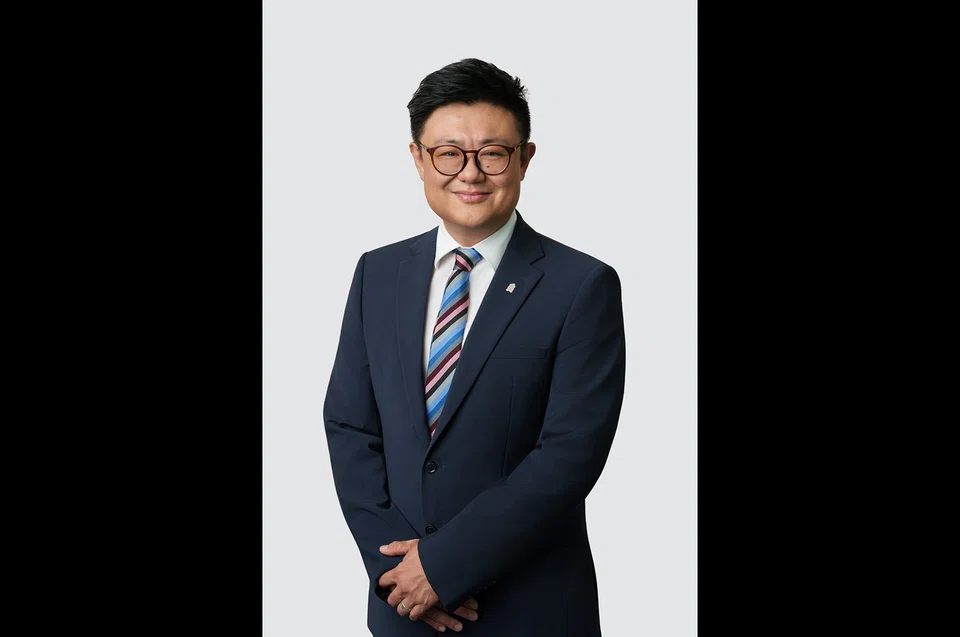
Scott Chang, head of philanthropy, Asia, wealth planning and family advisory at Standard Chartered Global Private Bank, has seen more wealthy families move beyond occasional giving towards a structured approach, as rising wealth and the involvement of more generations introduce new perspectives – and sometimes disagreements – into the picture.
“Families usually start philanthropy because there is a cause they care about and a difference they want to make.
What often follows are broader conversations about values, priorities, stewardship and how decisions get made as a family,” he says.
When does the philanthropy conversation begin?
The shift is not necessarily triggered by families crossing a particular wealth threshold.
Instead, Chang says pivotal life events – from selling a business or preparing for succession to the birth of a grandchild or the death of a parent – often prompt families to think more deliberately about what they want their wealth to achieve.
Such moments can bring financial change and emotional reflection together, becoming catalysts for a more intentional philanthropic strategy.
Chang says such conversations often extend beyond philanthropy itself, raising wider questions about how wealth should be used, how decisions are made and the roles different family members should play.
For that reason, he sees philanthropy as part of a broader conversation about family wealth and the legacy families hope to leave behind, rather than as a standalone activity.
“The conversation about giving is often the same conversation as inheritance, governance, succession and next generation engagement,” he says. “Families do not experience these issues separately because it is all a part of total family wealth.”
Start giving with purpose, not structure
There is still considerable room for families to bring greater structure to such decisions.
In its 2025 report, The Great Repositioning, Standard Chartered Global Private Bank surveyed more than 300 UHNW families and their advisers globally. It found that 75 per cent of philanthropic-giving decisions were mostly personal, while only 25 per cent were mostly institutional.
This stands in contrast to investment decisions, where 69 per cent were mostly institutional – suggesting that families typically apply far more formal processes, data and professional advice when investing their wealth than when deciding how to give it away.
Yet personal values and professional discipline need not be opposing forces.
The report found that philanthropy remains heavily shaped by personal values, while noting that governance frameworks and professional advice can help families translate those values into action.
In other words, structure need not take the emotion out of giving: it can help families become clearer about what they hope to achieve.
That is also how Chang approaches philanthropy advisory.
Rather than beginning with whether a family should establish a foundation, trust or donor-advised fund, he encourages clients to first determine their objectives: what issues matter to them, what role philanthropy should play in the family’s story, how involved family members want to be and what impact they realistically hope to achieve.
He adds: “Purpose and passion get families started. Strategy and structure help them make the most of what comes next.”
Philanthropy can be practice for harder conversations
Philanthropy discussions also provide a useful opportunity to learn how to make decisions as a family before the stakes get much higher.
Unlike inheritance or business succession, where disagreements can carry significant financial and emotional consequences, philanthropy can provide a relatively lower-stakes environment for family members to practise making decisions together.
Choosing causes, deciding how resources should be allocated and evaluating their impact require families to debate priorities, manage differing opinions and eventually arrive at a shared position.
“If a family develops a muscle for decision-making through philanthropy, these abilities can be carried across into more complex and emotionally charged conversations around succession, inheritance and stewardship,” Chang says.
“In that sense, philanthropy can act as training wheels for future family governance.”
This does not mean every family member has to agree on every cause.
Different generations naturally bring different experiences and priorities. A family can therefore have a common philanthropic agenda grounded in shared history or values, while leaving space for individual members to pursue causes that matter personally to them.
“Successful family philanthropy is not about getting everyone to agree on everything,” Chang says. “It is about understanding where the family wants alignment and where individual family members should have room to make their own choices.”
Those conversations can themselves help a family understand where its common ground lies – before it has to confront more consequential decisions involving wealth.
Preparing future stewards
Philanthropy can also offer younger family members an early opportunity to take responsibility.
Rather than waiting until they inherit or take charge of substantial family assets, they can gain experience evaluating opportunities, conducting due diligence, assessing trade-offs and working collaboratively with other family members.
Families can increase those responsibilities progressively, Chang says, moving younger members from observation towards participation and eventually leadership.
“One thing that often happens when younger generations enter the philanthropy conversation is that the focus shifts to impact. They are often not just interested in how much is being given, but what difference that giving is making,” he adds.
However, Chang cautions against setting up elaborate governance mechanisms simply for their own sake. A family giving away US$10,000 a year, for instance, will not require the same processes as one deploying US$10 million annually.
The same principle applies to measuring impact. The level of scrutiny should be proportionate to the scale and nature of the giving, while recognising that some social outcomes may take years – or even decades – to materialise.
Measurement can therefore be used not only to demonstrate results, but also as a learning tool that helps families understand what works, where adjustments are needed and where their philanthropic capital can be most impactful.
Chang says families typically begin their philanthropic journey with a cause they care about and a desire to make a difference.
While their priorities, structures and scale of giving may evolve over time, he sees philanthropy as a way for families to strengthen stewardship of their wealth, values and relationships – and carry these across generations.
For more on this topic, read Standard Chartered Global Private Bank’s latest content series, Philanthropy in Conversation: https://www.sc.com/philanthropy-in-conversation
Share with us your feedback on BT's products and services
TRENDING NOW

Government to bring forward raising of retirement age, give employers more financial support to create flexi-load jobs
If Europe goes to war, the fallout will be felt in East Asia

Indonesia stocks suffer worst plunge in nearly 30 years as MSCI proposes standalone status

Vietnam’s northern provinces, not Hanoi or Ho Chi Minh City, are powering near 10% GDP growth

