

Region's private banks post strong performance in 2020 despite pandemic

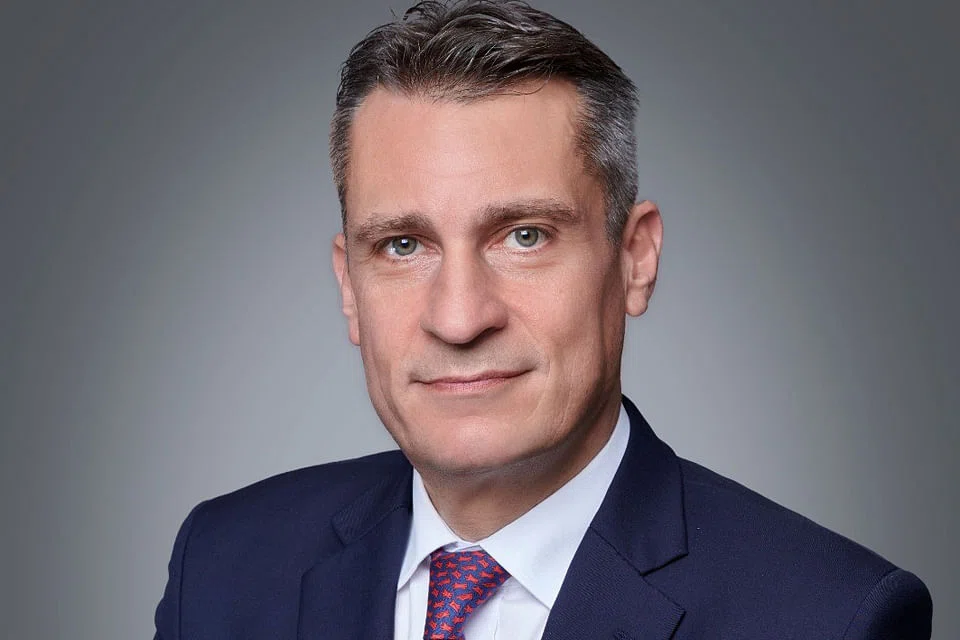
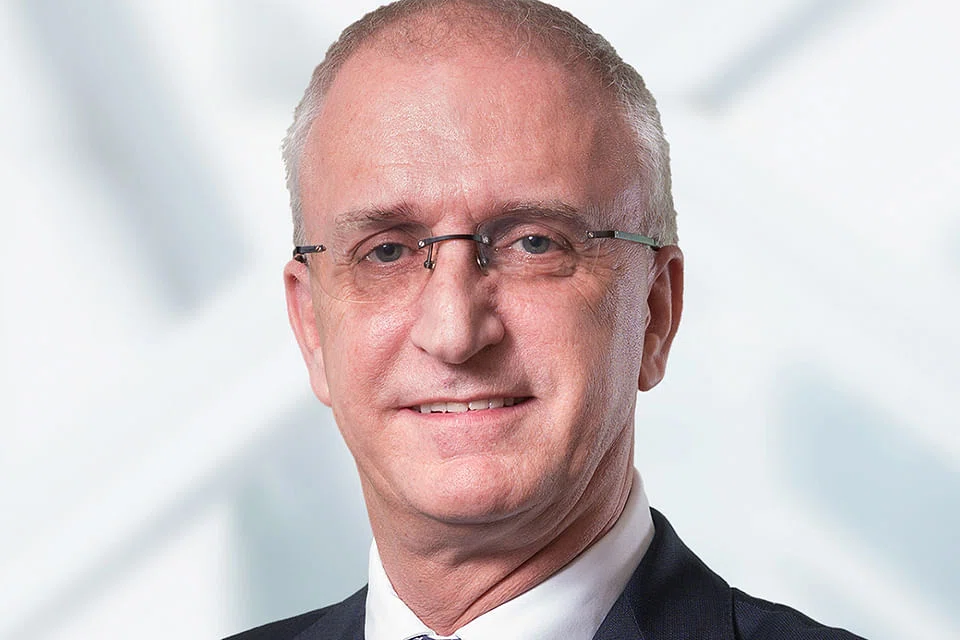
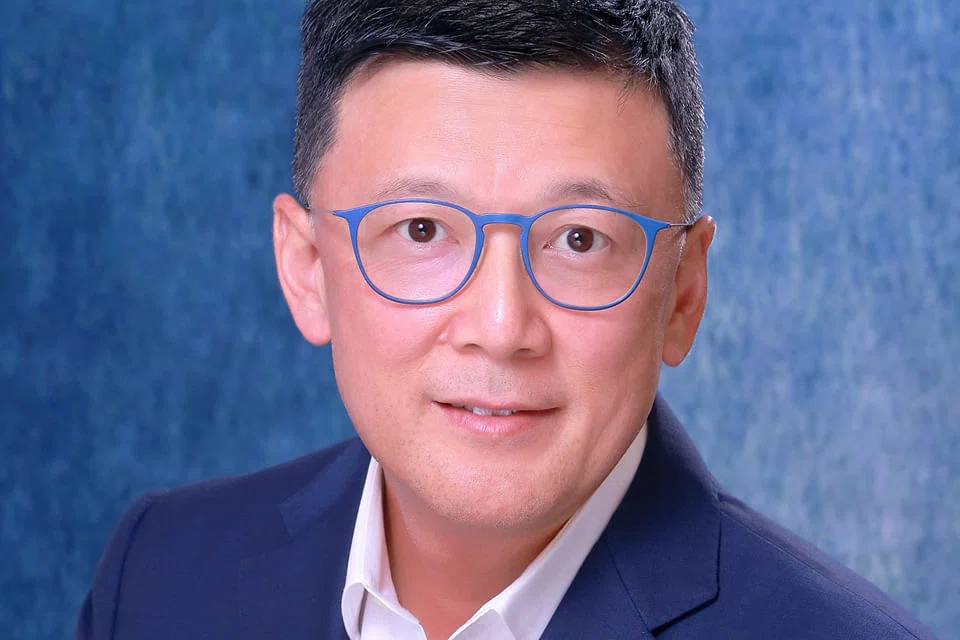

Roundtable participants
- Vincent Magnenat, limited partner and chief executive officer (CEO), Asia, Lombard Odier
- Philip Kunz, head of global private banking, SEA, HSBC Private Banking
- Benjamin Cavalli, head of private banking South Asia, Credit Suisse Private Banking Asia Pacific, Singapore CEO and APAC sustainability leader
- Steven Lo, regional head, Asia Pacific, Citi Private Bank
Moderator: Siow Li Sen, The Business Times
LAST year's pandemic presented numerous challenges to the private banking industry, not least the loss of face-to-face contact with clients. Unfazed, the industry navigated what could have been a treacherous year and ended 2020 with healthy growth. Siow Li Sen of The Business Times (BT) asks the region's leading private bankers how they turned in strong performances in the face of adversity, and their outlook for 2021.
BT: How was 2020 in terms of fee income, assets under management (AUM) generation and profitability?
Vincent Magnenat: Our results reflect the trust our clients place in us and the solidity of the Lombard Odier Group. 2020 was an unprecedented year, especially during the first half of the year, when markets were extremely volatile. The confidence our clients place in us was demonstrated during this pandemic, when our net new money inflows for Asia remained strong. In fact, more than half of our total inflows came from existing clients. We positioned portfolios to shield clients from the worst of the market falls and benefit from the gradual market recovery since mid-March. Our investment convictions, prudent approach, long-term focus and working closely with clients helped them navigate this period of uncertainty.
Philip Kunz: Our business performance remained resilient amid headwinds in an unprecedented year. Globally, private banking client assets grew to US$394 billion in 2020, up 9 per cent year on year. This is notable as our private bank client assets comprise a quarter of the US$1.6 trillion wealth balances in wealth and personal banking, up 12 per cent year on year. Significantly, Asia continued to be a substantial contributor in net new money (NNM) with assets rising to US$176 billion - up 9 per cent year on year - and represented 45 per cent of global private bank NNM. In supporting our retail to ultra-high-net-worth (UHNW) clients' international needs, we aim to become a market leader in Asia and for the Asian diaspora. Underpinning our performance was increased brokerage and trading activity offset by the impact of lower interest rates on deposit revenue, as clients increased investment activity to see returns in a low interest-rate environment. We remained focused on disciplined cost management, which kept us in good stead.
Our continued collaboration with commercial banking provided solid growth in assets along with an increase in discretionary and advisory mandates. In Singapore, we also recently expanded our network coverage going onshore in Thailand and launched the Independent Asset Management desk catering to the needs of family offices and independent advisors managing wealth on clients' behalf.
Benjamin Cavalli: In Credit Suisse's full-year 2020 results, our Asia-Pacific (Apac) franchise reported strong performance in a challenging operating environment. Apac regional revenues reached US$4.5 billion for 2020, up 24 per cent year on year and representing 19 per cent of group revenues. Client business volumes exceeded US$400 billion for the first time, supported by strong transaction activities and positive market performance. Asia-Pacific is a fast growing region and a core pillar of the bank's strategy. Our Apac franchise demonstrated strong underlying growth in 2020, supported by higher activity, especially with our key UHNW and entrepreneur clients, and broad-based momentum across our diversified country footprint.
Clients continue to access thematic investments and managed solutions, and the demand for tailored financings and equity products is strong. In addition, an area of increasing interest is sustainability, and we are committed to offering investment solutions across a spectrum of related themes.
Steven Lo: We had high double-digit growth in revenue powered by robust capital markets activity, though more than half of that comprised annuity income which is important for sustainable growth. We also saw double-digit growth in AUM, which formed the base of much of our portfolio management growth.
BT: Did the pandemic change the way your bank approached clients?
Mr Kunz: Definitely. While digital means of communications have clearly been on the uptrend in the past few years, the pandemic certainly accelerated their widespread adoption. Pre-pandemic, much emphasis was placed on in-person, face-to-face interactions and large-scale hospitality events, but in the Covid era, all of these can no longer be carried out. Instead of face-to-face meetings, we started using Zoom to engage clients virtually. We could no longer take our chief investment officer (CIO) and product teams to meet clients, so we initiated educational webinars and podcasts to bring across our house views and product fulfilment ideas. More importantly, the pandemic also led to a greater acceptance among clients for such digital means of communications.
Mr Lo: The pandemic made it even more important to ensure that we connected with our clients and that our ability to serve them was not compromised in any way. In fact, I would say that the level of communication and interaction - which was mostly, if not entirely, virtual - went up significantly. Our banker and counselling teams relied on technology to engage with clients. The conversion to virtual-only from in-person interaction took place seamlessly without any interruption in service. We were surprised at the high rate of adaptability to this new way of engagement by our clients.
In addition to the day-to-day interaction with clients on the topics of investing and trust planning, we kept the engagement levels high with a wide-ranging menu of global and regional virtual events which ranged in content from thought leadership programming to leisure and wellness themes. The acceptance of digital tools such as DocuSign was also high, as clients who were once reluctant to convert to such means found that these tools actually made the administrative side of dealing with us easier. Neither we nor our clients were travelling, so this led to a lot of focused discussions without the otherwise normal distractions of travelling and overbooked scheduling.
During this time, there was also a lot of volatility in the markets, making it crucial that we were in constant communication with our clients - keeping them abreast of what was happening and whether or not any appropriate action was warranted.
Mr Cavalli: Technology and innovation has always been a huge focus at Credit Suisse, and technology adoption has definitely been accelerated by the Covid-19 pandemic and proven to be crucial for business continuity and growth during the pandemic. Credit Suisse was one of the pioneers in embracing digital innovation in the private banking space, and technology continues to be our key focus.
Technology is set to shape the future by defining the way clients consume financial services, and we are well-equipped to cater to this trend. Our aim is to continue with our digital lead through constant innovation and we believe that it is extremely important to be nimble and flexible when it comes to technology, as it is at the heart of our enhanced service offering. We will continue building thoughtfully designed experiences by harnessing technologies that truly reflect our clients' needs and behaviours to deliver a higher level of client service.
We have been well-prepared for all kinds of scenarios as we are a digital-ready bank, and given recent events, it is clear that this is the right approach. Through technology, we empower both clients and bankers; we also increase connectivity and touch points between them to ensure constant communication. For example, we have augmented what the bank can offer to our clients - through the use of data analytics, we are able to deliver personalised, timely content suited to the investment appetite of each client. For example, our platform SPARK delivers targeted investment ideas and data-driven recommendations, with integrated automated investment suitability controls. In 2020, there was a 3.5-times increase in the number of views on product pages and a more than five-time increase in the number of product searches.
Mr Magnenat: What Covid-19 has proven is that our information technology (IT) capabilities are robust, and we have a resilient business continuity plan. Our operations were unaffected, and our bankers continued to provide the highest level of service and open communication with our clients during these challenging times.
At Lombard Odier, we continue to be rethinkers, and have adapted how we stay connected to clients. At a time when physical connections have been radically curtailed, digital tools allow us to stay informed, communicate and maintain our relationships with clients, partners and each other. We are very well-positioned and have been investing in our own banking technology for over 50 years, which is also purchased as a service from other banks. Since the beginning of the Covid-19 crisis, digital channels have provided us with a secure and effective way to continue providing clients with transparent and up-to-date reporting of their portfolios.
We also started to roll out a fully digital on-boarding process of new clients, and this was first done during the crisis. As a result of this pandemic, we see the acceleration of digitalisation, which for the private banking industry will mean that banks with strong technology platforms will have a competitive advantage. Clients today look for a seamless technology experience, and the social distancing measures and travel restrictions are leading clients to make greater use of online and mobile channels to manage their finances. Nonetheless, we believe that the personal relationship with clients is still key, and the quality of the advice given to clients will decide the winners.
BT: Were private banking clients more active given the enforced stays at home? Was that an issue?
Mr Magnenat: We talk as frequently with clients but topics are obviously not necessarily investments-centred - and that is fine. Our relationships with our clients were always multi-dimensional and still are. As a bank with over 200 years of history and the experience of overcoming over 40 financial crises, our clients look to us to help them navigate uncertainty and cut through the noise. We are their partner over generations - we advise on building a legacy and providing our bespoke investment expertise.
Technology has also made us closer. While we may not be able to meet clients physically, digital platforms have, in a way, allowed clients to invite us into their personal lives, as we could speak to them from the safety and comfort of their homes and personal spaces. Clients were active in engaging us in topics relating to family services. The pandemic has brought to the forefront some key longer-term questions for family businesses and family wealth governance, such as business continuity, financial security, where family members should be domiciled, as well as topics such as succession planning.
Sustainability was also a topic that was at the top of their minds. In a year where there was such major disruptions to our lives, it was easy for issues such as sustainability to take a back seat, and we were comforted that the pandemic inspired our clients to take a step back and reflect on what matters and the deeper implications of their actions - to rethink the way they live, work, and run their businesses.
Mr Lo: Capital markets activity was up substantially last year as clients saw opportunities amid the volatility. With more time spent at home, we found that clients were more open to listening to new ideas. More importantly, many took the opportunity and time to focus on portfolio management, going through in-depth portfolio reviews which led to strategic rebalancing and, in some cases, extensive consolidation - all good measures in the long run to build and protect their wealth.
Mr Cavalli: We certainly saw very high volumes of trading and activity even during lockdowns and during the market correction. While risk appetite subsequently became more muted, we saw unprecedented volumes and activity at the close of the year and into the start of this year. This indicates that in the new normal, clients have gotten used to the new means of communications and are using these new tools to communicate even more. When it comes to connectivity, we were able to see high engagement rates with clients on our various digital platforms, and they continue to grow exponentially.
We believe that this rise in agility will persist post-pandemic, together with a higher digital adoption rate. The availability and use of digital channels help us to maintain close contact with clients in the form of daily personal updates, deep-dive investment sessions and changes in Credit Suisse's macro-economic views. With our ready tools, we were able to instantaneously shift our service delivery model during the pandemic, and as a result, our business traffic on Credit Suisse Chat (CS Chat) and our digital private banking platforms surged, and an exceptionally high volume of trades was executed digitally.
Since February 2020, we recorded a significant increase in the use of our digital solutions by our clients and relationship managers (RMs). For example, on CS Chat, which allows our clients to conveniently engage with our relationship managers through chat messaging, the number of messages exchanged between our clients and our RMs increased by four times in H1 2020 versus H2 2019 and stayed on that level throughout 2020. The number of messages exchanged among our staff increased by six times in H1 2020 versus H2 2019. We have also seen an increase in client engagement on CS Chat, with a triple increase in the number of instructions received via the CS Chat in H1 2020 vs H2 2019. We have a high adoption rate of over 65 per cent (out of eligible clients who have signed up) for our Digital Private Banking platform. In 2020, we saw equity trading volumes increase by 150 per cent via the app, and forex trade volumes double year on year. More than half of equity trades for private banking Apac are being placed via the app. Clients are highly engaged on the digital platform, with their average log-in stats increasing in recent months to one log-in every two to three days.
In the past year, alternative channels of communications such as conference calls and virtual meetings have become popular and are the way to go. Amid the height of the pandemic, from February till year-end, we hosted more than 200 digital engagements across Asia-Pacific, with the cumulative attendance for this new type of engagement exceeding 45,000 participants in 2020. These activities are part of our ongoing efforts to help our clients navigate the markets by delivering our best-in-class advisory content as well as insights on our excellent products and solutions, and has been positively received. Looking ahead, we expect the adoption of digital engagement to be sustained even after Covid-19. We will continue to provide our clients with relevant and timely advice through their channel of choice and are ready to leverage the pent-up demand for our high-touch services once the situation normalises.
Mr Kunz: We definitely saw an uptick in trading activity when clients were forced to stay at home - they would have had more time to look at their portfolios and the markets, and also to receive calls from our RMs and investment counsellors (ICs). This was quite evident over the year-end festive season in 2020 - we did not see the usual seasonal slowdown in December, and trading activity remained robust into the final days of the year. The difference is that in previous years, clients would have been on overseas holidays and therefore not focused on their investment portfolios. But 2020 was a year of border shutdowns and no travel, so clients had more free time to analyse their investments and engage with our RMs and ICs.
BT: Given the loose liquidity conditions which continue, has risk-taking increased?
Mr Lo: I would say that clients remain moderately cautious. With the last financial crisis happening not too far in the distant past, our clients are more mindful of the risks they take. The bank has also evolved as well embarking on discussions with clients on sustainable leverage, using modelling to map out potential scenarios and the inherent risks associated with them, thus making clients more aware and mindful if any of the scenarios play out. They are then not left to react or caught off-guard, which can often lead to less advantageous decision-making.
Mr Kunz: We see a trend with clients rotating from defensive, income-based investments to riskier and higher beta asset classes. With benchmark rates so low and continuing as such for the immediate future, it is inevitable and natural that clients favour higher-growth strategies. Against the backdrop of interest rates at zero and the continuation of easy central-bank policy, the search for yield is going to intensify. For 2021, capital is going to flow into asset classes that provide growth and income.
Nevertheless, at this juncture, valuations across most asset classes are rich. Therefore, along the year, the run-up in valuations can lead to profit-taking and adjustments in investor positioning, creating bouts of market volatility. Importantly, such market uncertainty should be viewed as opportunity. The fundamental macro backdrop for 2021 remains healthy, with profits expanding and interest rates well-anchored. And as long as those two assumptions are valid, it is appropriate to maintain an overweight stance to risk assets and a cyclical sector bias.
Mr Cavalli: Over the past few weeks, equity markets have increasingly shown signs of becoming frothy on the back of ongoing strong performances early this year. This has also invited more and more speculative behaviour. We believe this amounts to a healthy market correction that could temporarily shave off 4-8 per cent before supportive factors gain the upper hand again. We remain positive on equities in the medium term and would see such market declines as a healthy correction, which should eventually form the basis for further moves higher in equities.
Important for this investment case is the fact that fiscal and monetary policy support is likely to remain in place. With monetary policy keeping interest rates low, this continues to make equities attractive relative to bonds, despite signs of exuberance and speculation in certain parts of the market. We think that investors who are underweighting equities in their portfolios should consider seizing the market correction to raise equity exposures closer to their strategic levels.
On the alternatives front (hedge funds and private markets), we have seen increasing interest from our clients who have larger risk appetites, given the illiquid nature of the asset class, and looking to seek attractive returns through investments that are less correlated to the markets. As such, we continue to help our clients build a well-diversified exposure through our annual single vintage flagship private equity programme and our hedge fund programme providing access to top, hard-to-access managers. Both programmes serve as key building blocks for our client's alternative allocation, which serves as an important portfolio diversification tool.
This year, we have also launched an innovative venture capital strategy - with very tangible ESG themes - that backs disruptive technologies aiming to reduce carbon emissions and, in turn, limit climate change.
Mr Magnenat: No matter the market conditions, there will always be those who will decide to seek safe havens, while others will see this environment as an opportunity to consider alternative assets such as private equity and debt and real estate. What is key for us at Lombard Odier, and our advice to clients, is to understand their risk appetite. We take an innovative risk-based approach, where we put your tolerance for losses at the heart of our investment model.
BT: What is your bank's outlook for 2021?
Mr Magnenat: Markets continue to price in the incoming reflationary boom that will result from the re-opening of major economies, inflated by major fiscal stimulus packages. Small and mid-cap stocks, cyclical industries, energy and industrial commodities and emerging markets dependent on trade and commodities shall remain the main beneficiaries from those reflationary trades for the time being.
By the summer, we may face a fork in the road. Either investors will look at the improvements in business and inflation conditions as what they actually are - that is, a strong yet temporary or cyclical catch-up dynamic that should ultimately end with the return of the low-growth, low-inflation regime that prevailed during the last decade, and then markets could enjoy a Goldilocks scenario where all assets will perform simultaneously, with the return of a tech/growth secular outperformance. This is our central scenario.
Or, investors will confuse short-term developments with a new structural growth and inflation regime, justifying tighter monetary conditions, and a short yet intense period of volatility might strike risky assets (à la November-December 2018), until central banks would ultimately clarify the fact they have no choice yet to remain committed to persistent quantitative easing (QE).
Mr Kunz: As we enter the Year of the Ox, global economic growth is improving and broadening. The vaccine will end the pandemic and allow consumers to start spending again. At the same time, governments are rebuilding their economies, and companies are adapting to the new post-Covid realities. All of this means that the global economy and corporate profits should be bigger and healthier in 2021. Asia will lead the recovery in 2021. China's 14th five-year plan for 2021-2025 as well as the Regional Comprehensive Economic Partnership will further enhance the region's recovery and investment outlook. Global central banks will maintain the ultra-loose monetary policy throughout 2021 and additional fiscal stimulus will be delivered across developed and emerging countries to contain the economic scarring effects caused by the pandemic. A synchronised global upswing and rising corporate profits, coupled with historically low interest rates and ample global liquidity, are a powerful combination for risk assets. As a result, we keep a risk-on investment strategy with a focus on recovery and structural growth.
Mr Lo: It is hard not to be optimistic about 2021, especially amid news of global Covid-19 vaccine roll-outs. If the infection numbers continue on their downward path, we could be looking at a sharp upturn in economic activity - although not necessarily back to the way it was before, as much has changed in the way we work and live. From a business perspective, we are bullish on the wealth management business. Our recent announcement of a new business line called Citi Global Wealth led by Jim O'Donnell, a Citi veteran from our markets business, illustrates our firm's commitment and focus to this important and growing segment of individual wealth. We do not see this as a cyclical opportunity - it is structural, driven by the emergence of a vast middle and upper class, and the rapid development of regional capital markets.
Along with this comes a need for portfolio advice and allocation geared towards the diversification of asset types and geographic exposures. As the world's most global bank, with broad-based expertise across investment products, we are strongly positioned and fully committed to serving these needs. We are investing significant resources in staff and the platform to cater to the potential growth we see in this business, especially in Asia.
Our core positioning for 2021 is to ensure clients are fully invested, with a strong overweight to equities at the expense of fixed income. From a thematic standpoint, we are focusing on mean reversion for assets that have underperformed during Covid-19 as the world normalises.
We are also focusing on the evolution of the G-2 world - China and the US - and its implications for investment opportunities elsewhere. From a thematic build, we retain our focus on disruptive forces in technology, healthcare, financial services and transportation. We remain positive on China assets, and have seen strong interest from clients in the region in maintaining and adding to existing exposures.
We see a shift from fixed income to equities, with a focus on technology and healthcare sectors. Alternatives, including hedge funds, private equity, private credit and real estate remain important components of our asset allocation, and continue to do an important job of mitigating risk and increasing diversification within well-managed portfolios. Clients are generally comfortable allocating a component of their portfolios to less liquid securities, and our strategic long-term asset class estimates reinforce ongoing outperformance from private equity in particular.
Mr Cavalli: After an unprecedented year, the Covid-19 pandemic will continue to occupy the economy and financial markets in the months ahead. Importantly, as demand continues to recover following the recession in 2020, the global economy is expected to grow by 5.2 per cent in 2021. With interest rates set to remain at or below zero in all major developed economies, equities should continue to provide attractive returns.
Non-Japan Asia is expected to rebound and grow 6.7 per cent in 2021, after a bruising 2020. South-east Asia is projected to grow faster - partly due to a deeper contraction in 2020 and a later start to its recovery, but also because of a greater capacity to benefit from any Covid-19 vaccine treatment and a subsequent gradual recovery in tourism. More orthodox trade relations, a weaker US dollar, higher tech exposure, and better Covid-19 containment, should combine to cause North Asian equity markets to continue to dominate the regional investment narrative.
The gradual, if uneven, progress against the Covid-19 pandemic will influence the way investors allocate their assets in 2021. We continue to regard equities as offering the most compelling return prospects. Credit Suisse also expects emerging market assets, both bonds and stocks, to outperform and the US dollar to continue to weaken.
Concurrently, the Credit Suisse Supertrends - more relevant than ever - allow investors to benefit from deep societal changes across sectors and regions. Nevertheless, there are risks that still need to be monitored carefully. To preserve wealth and meet long-term obligations, investors should invest in well-diversified multi-asset strategies with a significant share of portfolios invested in equities.
As for the main asset classes, equities continue to offer attractive return prospects, particularly compared to low-yielding bonds. We would, at this juncture, focus equity purchases on value markets and cyclical sectors. Emerging market stocks top our list there, but we also like UK stocks.
China is our key preferred market in Asia. Improving employment and disposable income underpin a demand recovery in China. A robust current account surplus, set to be abetted by portfolio inflows, tilts towards yuan appreciation, which should be positive for local assets.
As we near the light marking the end of the long and difficult tunnel that was Covid-19, we identify direct and indirect beneficiaries from positive vaccine developments. Sectors most battered by the virus - tourism sectors (airports, airlines) and traditional retail, are likely to be key beneficiaries from a revival of international travel and other social activities. We expect cyclical sectors such as energy and financials to benefit from broader economic recovery - which could in turn engender a rotation from growth to value.
China's transition to a carbon-neutral economy by 2060 creates immense opportunity in a range of sectors. In the world's biggest auto market, new EVs are slated to account for 20 per cent of sales by 2025, in turn boosting demand for batteries. Regulation and cost reduction are providing the push and pull for industries to make the transition to renewables. A 90 per cent reduction in the cost of solar panels over the last 10 years has now made it a cheaper source of energy than fossil fuels. We like exposure to solar, batteries and Chinese utilities, which have been trading at distressed valuations.
Asia's currencies are likely to benefit from both the weak US dollar and a stronger yuan. This is especially true for North Asia, where the local Covid-19 infections are better contained, and there is a greater exposure to the booming hardware tech sector.
On fixed income, we are constructive on Asian US dollar credit, particularly in the high yield sector. The US election outcome suggests the search for yield will intensify, and Asia is where it will be best sated. Yuan bonds are a particular highlight. They offer a wide yield premium over global equivalents, and have a low correlation with global assets, thereby offering hedging properties to balanced portfolios. Our positive outlook on the currency also adds an attractive overlay.
In fixed income, returns on core government bonds will be meagre at best, while emerging-market hard currency bonds remain appealing. Investment-grade credit should continue to offer a good risk/reward. Within high-yield bonds, we favour the high-quality segments.
Commodities witnessed a turbulent 2020, but we think the backdrop should be more favourable for commodities in 2021 as the global economy returns to positive annual growth.
In alternative investments, real estate should benefit from the economic recovery and continue to generate attractive yields in the current low interest-rate environment. We favour sectors underpinned by structural growth such as industrial and logistics real estate. In Asia-Pacific, we also favour selective innovative strategies with tangible ESG themes, such as those that back disruptive technologies that can reduce carbon emissions and have a positive impact on the environment.
Decoding Asia newsletter: your guide to navigating Asia in a new global order. Sign up here to get Decoding Asia newsletter. Delivered to your inbox. Free.
Share with us your feedback on BT's products and services
TRENDING NOW

World’s largest offshore wind platform by Seatrium consortium on track to be completed by 2028

Is stamp collecting enjoying an analogue revival or are its best days over?

GovTech retrenches another 38 staff in second round of layoffs
MBS adjusted property Ebitda falls 20.6% in Q3 with fewer high-roller visits, weaker hold

