

Why are US Treasury yields so low?
A look at the interplay between the US Treasury and its monetary counterparts at the Fed to understand the unusual dynamics may give a clue
 Add BT as a preferred source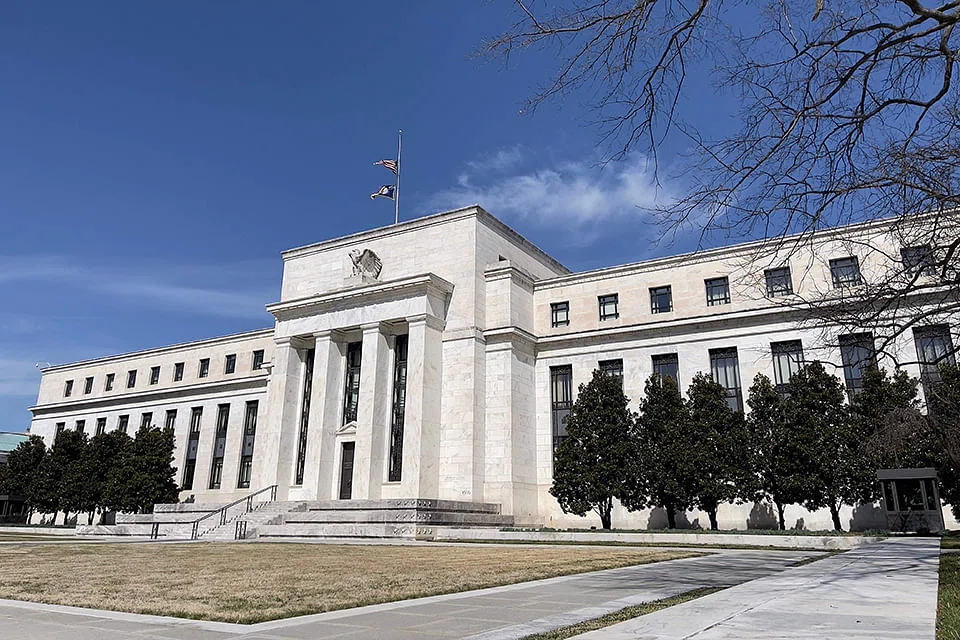
DeeperDive is a beta AI feature. Refer to full articles for the facts.
DESPITE the fastest pace of inflation since the early-1990s, US 10-year Treasury yields sit near their lowest levels seen outside of the pandemic-related lockdowns of 2020.
Indeed, early explanations for the stickiness of US Treasury yields tended to centre on the 'transitory' nature of high US inflation.
However, the definition of transitory has shifted from a few months during 2021 to account for lockdown-related base effects to now stretching well into 2022 with signs that wages and housing costs are beginning to put upward pressure on prices in recent months.
As a result, investors should instead look to the interplay between the US Treasury and its monetary counterparts at the US Federal Reserve to understand the unusual dynamics that have been pressuring US Treasury yields in recent months as well as upcoming catalysts which suggest their trajectory may reverse going into year-end.
Not coincidentally, the peak in US 10-year yields in mid-March overlapped with the deployment of the last pandemic assistance programme from the US Congress. This resulted in the US budget deficit falling from 18 per cent of GDP to 12 per cent of GDP by mid-year.
Combined with the US Treasury announcing that it would look to draw down the nearly US$1.6 trillion cash reserves built up at the height of the pandemic, overall new Treasury issuance has fallen sharply since March to levels not seen since the pre-pandemic era.
Navigate Asia in
a new global order
Get the insights delivered to your inbox.
US debt ceiling
More recently this has been complicated by the triggering of the US debt ceiling on Aug 1, 2021 which prevents the US Treasury from issuing any new debt until the debt ceiling is raised, further constraining the issuance pipeline.
Against that backdrop, the US Federal Reserve has continued its regular purchases of US$80 billion in Treasuries per month announced at the height the pandemic. Putting these Fed purchases together with a more limited issuance pipeline from the US Treasury has created a supply-demand imbalance, favouring higher prices and lower Treasury yields in recent months.
However, the drawdown of nearly US$1 trillion US Treasury cash balances since February alone created an unusual problem for the Federal Reserve.
The flood of cash into the banking system from the Treasury drawdown put downward pressure on short-dated bond yields leading 0-6 month US Treasuries to trade at negative yields briefly in recent months until the Fed intervened to hold the zero bound and avoid persistent negative interest rates.
To protect the zero per cent floor, the US central bank stepped in via the reverse repo market, effectively selling short-dated Treasury securities to relieve this pressure by draining excess liquidity from banks. The extent of this intervention can be seen in the growth in volumes since March, when activity in the reverse repo market was negligible.
By August, the Fed was draining over US$1 trillion via overnight operations daily, not coincidentally, a figure similar to the US$1 trillion drawdown in US Treasury cash balances.
In order to prevent overall US financial conditions from tightening due to the drain of liquidity as the Fed protected the zero interest rate floor, the Fed then turned to deploying some of that liquidity further along the yield curve, where yields did not threaten the US central bank's overall policy objectives.
In other words, in addition to the US$80 billion per month that the Fed was purchasing in US Treasury securities as part of its pandemic-era quantitative easing programme, it was forced to purchase additional bonds as it stabilised short-term yields due to the Treasury Department's actions, further aggravating a supply-demand balance already putting downward pressure on yields.
An inflection in yields on the horizon?
Though the Fed-Treasury interplay in recent months has been complex and has taken place largely behind the scenes to pressure long-dated US Treasury yields, signs are building that catalysts for a reversal in this recent trend are on the horizon.
First, the pause in fiscal largesse since the early days of the Biden administration appears to be at an end as a US$1 trillion, bi-partisan infrastructure package has passed the US Senate and is expected to be voted into law in the weeks ahead as the US House of Representatives returns from recess.
This may be followed in short order by a Democratically-backed, multi-trillion dollar spending package focused on social transformation within the United States.
While unclear on the timing of potential passage as well as the final size of combined spending packages, it does appear that the fiscal restraint that contracted the US budget deficit since March will give way in the month ahead.
Secondly, the funding for these spending bills will require a lifting of the US debt ceiling which has capped new issuance in recent weeks. Its lifting would once again re-open new net issuance in the months ahead.
Beyond this, in its February announcement of its intent to draw down its elevated cash reserves built up during the global pandemic, the US Treasury noted a desire to return cash balances back into the US$200-400 billion range that was common pre-pandemic. After nearly six months, the Treasury General Account balance now sits at US$429 billion.
With the Treasury cash balance set to reach the targeted range in September at its current pace of withdrawals, investors should expect the pressure on short-dated yields to abate and the Fed's moves to offset its activities in the reverse repo markets via additional purchases further out the yield curve to similarly be curtailed.
These factors, combined with the widely expected plans from Fed chair Jerome Powell on how it intends to shrink the pace of its pandemic era bond purchases at either the end-August Jackson Hole meeting of global central bankers or, at the latest, at the mid-September Federal Open Market Committee meeting, suggests that Treasury supply looks set to become more plentiful just as demand from the US central bank is set to be reined in.
This suggests that, absent a demand shock - such as associated with the Delta variant or from China - a return of US Treasury yields towards the 1.7-2.0 per cent may emerge as the catalysts that have pressured yields since the March reverse.
- The writer is chief investment officer (Wealth Management), Union Bancaire Privée.
Decoding Asia newsletter: your guide to navigating Asia in a new global order. Sign up here to get Decoding Asia newsletter. Delivered to your inbox. Free.
Share with us your feedback on BT's products and services
TRENDING NOW

Vietnam formalises new state leadership, redefining ‘four pillars’ power balance

‘Largest Singapore commercial S-Reit proxy’: analysts say buy CICT shares after Paragon acquisition

From 1MDB to ‘corporate mafia’: Is Malaysia facing a new governance test?

Why where you park your joint venture matters: Lessons from a US$689 million shareholder dispute

