

Why the dollar is strong and why that is a problem
Every fresh lurch upwards prompts some big questions
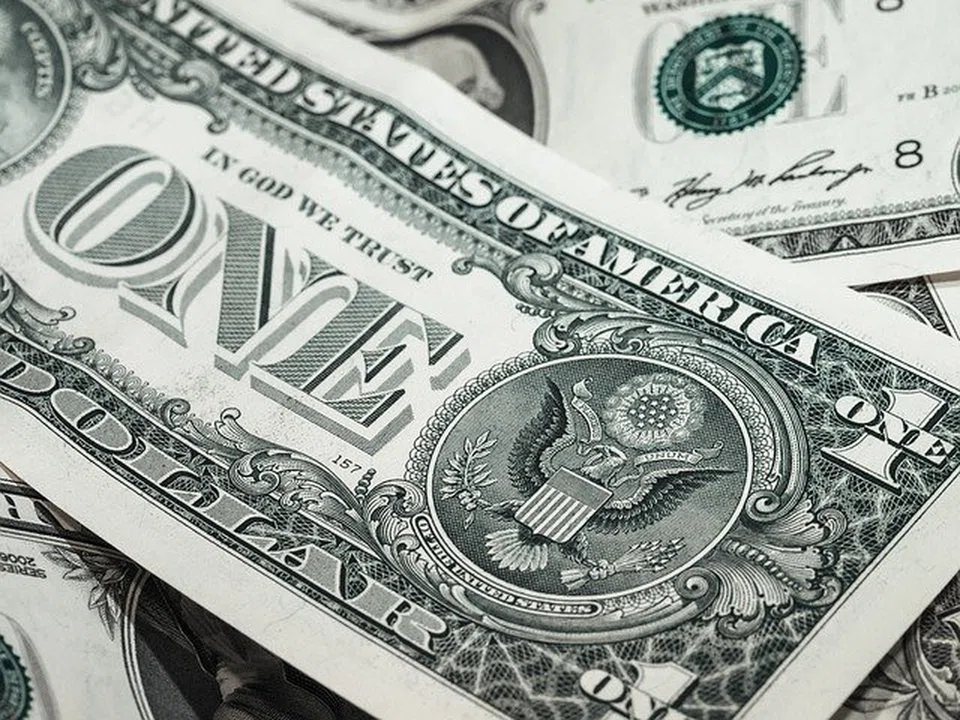
HERE are a few familiar descriptions of the dollar: “the cleanest shirt in the laundry basket”, “the least-ugly mug in a beauty contest”, “the one-eyed man in the kingdom of the blind”. Nobody, it seems, loves the dollar; they just really dislike the alternatives. And that aversion is only growing. The DXY, an index of the dollar against half a dozen major currencies, is at a 20-year high. Among the dirtiest of the dirty linen are sterling, the euro and the yen.
Every fresh lurch upwards prompts some big questions. First, what is driving it? Much of the recent rise reflects differences in monetary policy. At the turn of the year, the Federal Reserve became more determined to tackle inflation. A series of interest rate increases since then, with more expected, has turned the dollar into a high-yielding currency. Lofty interest rates are a draw to global capital, which in turn has pushed up the dollar.
The dollar is also a refuge in troubled times. Scared investors tend to reach for the currency. And high oil and gas prices are generally bad for energy importers, such as Europe, but good for energy exporters, such as America. The handful of currencies that has kept pace with or beaten the dollar this year tend to be those of energy-producing countries.
TRENDING NOW

LTA proposes combining car COE categories, adding rebate-surcharge system

StarHub to acquire MyRepublic’s mobile business amid ongoing telco consolidation

DBS, OCBC, UOB rout lops billions off STI as inflation, rate concerns spook investors

Grab CEO’s wife Chloe Tong on life with Anthony Tan and finding her purpose

