
Why gold remains our top conviction for 2026
Strategic and cyclical factors suggest that the ongoing technical correction in gold is an opportunity
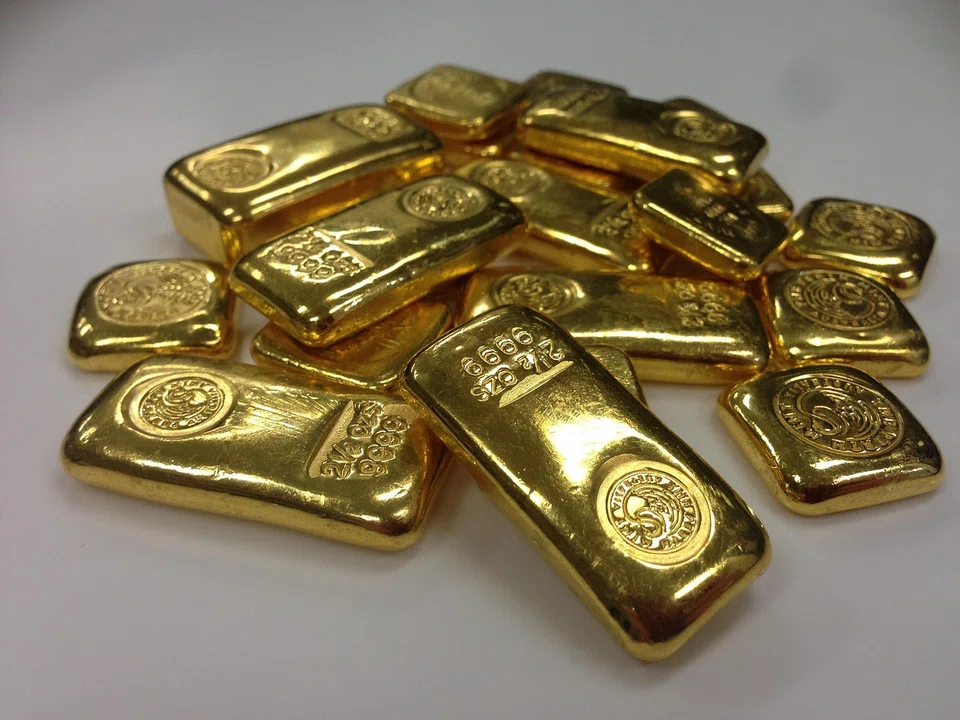
IT SAYS a lot about the state of world affairs when gold is on pace to handsomely outperform global stocks and global bonds in 2025 – for the second year in a row. In fact, gold is set to outperform global bonds for the 10th year in a row.
Gold’s record-breaking rally, fuelled by geopolitical uncertainty and concerns about easing fiscal policies worldwide, has lifted the price of the precious metal by over 50 per cent this year, and by more than 150 per cent over the past three years. We have strong conviction that gold will outperform global stocks and bonds again in 2026.
Of course, questions about gold’s valuation remain front and centre in our client conversations. While gold does not lend itself to traditional valuation measures – since holders do not earn regular income – some relative valuation metrics indicate room for further upside, despite near-term volatility.
Hence, we have raised our three- and 12-month gold price outlook to US$4,300 an ounce and US$4,500 an ounce, respectively. Our continued constructive stance on gold is primarily driven by structural drivers and supported by cyclical factors.
Structural drivers
There are three structural drivers of the gold rally:
1) Geopolitical uncertainty: Western financial sanctions against Russia in 2022 following the start of the Ukraine war, including the freezing of Russia’s central bank assets, were the genesis of gold’s almost parabolic rally. The decision to freeze assets shook emerging markets’ (EM) confidence in the security of their reserves held overseas. This led EMs to consistently boost their gold reserves in the past three years. The top three EM central bank gold holders are China with 8 per cent of officially declared reserves in gold; India with 15 per cent and Russia with 41 per cent.
In contrast, the share of gold in US central bank reserves is 78 per cent. These levels suggest there is scope for further upside in EM central bank demand for gold in the coming years.
2) Worldwide concerns about expansionary fiscal policies: Concerns about lax fiscal policy have risen since the pandemic as the US government continued to ease policy even with the economy growing faster than the long-term trend. These concerns increased with the passage of the latest US budget for the fiscal year which started on Oct 1. Meanwhile, Japan’s new government has just unveiled a larger-than-expected stimulus package. That is likely to further increase the government’s debt which is already close to 230 per cent of GDP, the largest in the world by this measure. Gold, thanks to finite supplies, is seen as an antidote to fiscal profligacy.
3) Increased doubts about the Fed’s independence: US President Donald Trump’s decision to fire Fed governor Lisa Cook in August (subsequently stayed by courts) added fuel to gold’s rally as it raised concerns about the Fed’s independence and potential risks to the US dollar.
Cyclical drivers
Gold also has cyclical support over the next six to 12 months from three factors:
1) Fed policy easing and falling real rates: The Fed resumed rate cuts in September, after a nine-month pause, to support a slowing job market. It then cut rates again in October to 4 per cent, despite core inflation remaining close to 3 per cent. We expect the Fed to cut rates by another 75 basis points by end-2026, dragging US real bond yields and the US dollar lower. Lower US real yields and a weaker US dollar make non-interest-bearing gold relatively more attractive.
2) Seasonal demand from China ahead of Chinese New Year: Jewellery accounts for half of global gold demand, with China and India accounting for more than half of the world’s jewellery market. Seasonal demand typically picks up from the Indian festive season in September and runs until Chinese New Year in January/February. While India’s festive season this year saw a decline in volumes as buyers turned more price sensitive, the overall value of gold sold hit new highs, with demand shifting to gold bars, coins and digital gold. Meanwhile, China’s removal of a tax rebate on gold is likely to be a temporary headwind for demand, going into the festive season.
3) Rising demand for gold as an alternative investment: The nascent shift in Indian demand towards gold bars, coins, gold-backed exchange-traded funds (ETFs) and digital gold points to gold’s rising role as an alternative investment. Among institutional investors, gold remains under-owned, with significant scope for upside.
Is gold overvalued?
Gold’s stellar rally has raised questions about whether it is overvalued. It is hard to value gold as a financial asset, given the lack of cash flows. However, we can assess gold’s worth in two ways:
- Relative value terms: Measuring gold in inflation-adjusted terms shows that the precious metal is marginally higher in price today than the peak of the stagflationary 1970s. The accompanying chart below shows that gold displays its true worth in times of crises – eg, the 1970s stagflation, the 2007-08 global financial crisis, the 2020 Covid pandemic and the latest geopolitical shock caused by the Russia-Ukraine conflict and Trump 2.0. Nevertheless, gold is expensive compared to crude oil. On balance, the relative-value assessment suggests gold is likely to hold its value as long as the world remains in a state of heightened policy uncertainty.
- Asset allocation terms: Gold’s historically low correlation with other assets makes it one of the best portfolio diversifiers. For instance, gold delivered an average 22 per cent real annualised return during stagflation periods since 1973, versus -1.5 per cent return on US equities. Also, gold is extremely inexpensive compared to US equities, given the outperformance of stocks in the past three decades. Gold’s share of a typical portfolio would have plunged unless investors actively added gold over the years. Many investors remain underinvested in gold, with allocation through ETFs still below the 2020 peak.
The biggest risk to gold’s sustained rally is if the Fed halts rate cuts or starts to hike again to get ahead of inflation. There is low risk of this outcome, given rising pressure from the Trump administration to maintain an easy monetary policy. Also, the US job market is slowing and leading inflation indicators show moderation ahead, making Fed rate cuts more likely than rate hikes in the coming year.
A peace deal between the West and Russia, leading to a release of Russia’s frozen assets, and/or a US-China detente are other potential near-term risks to gold prices. Nevertheless, we believe the 2022 freezing of Russian assets marked a regime shift. EM central banks are likely to keep building their gold reserves, despite any peace deal, providing medium to long-term upside to gold prices.
In short, while gold appears expensive in some relative-value metrics, strategic and cyclical factors suggest the ongoing technical correction in gold is an opportunity for those underinvested in the precious metal to build allocations towards desired targets. Our balanced asset allocation strategy has a 7 per cent allocation to gold.
The writer is senior investment strategist at Standard Chartered’s wealth solutions chief investment office
Decoding Asia newsletter: your guide to navigating Asia in a new global order. Sign up here to get Decoding Asia newsletter. Delivered to your inbox. Free.
Copyright SPH Media. All rights reserved.



