

Why long-term care should be part of retirement planning in super-aged Singapore
It is not just about having insurance, but also about foresight, collaboration and readiness
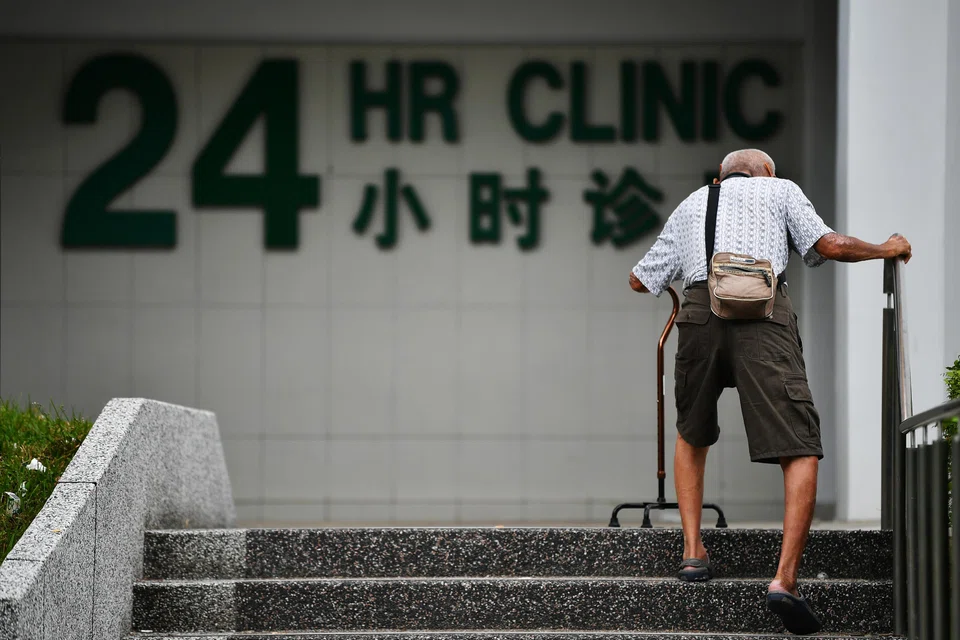
SINGAPORE is just months away from becoming a “super-aged” society, and with this shift comes an increasing need to rethink what long-term care and retirement planning entail. A better prepared long-term care plan will form the foundation of a more comfortable retirement, especially in our later years when health may decline.
By 2026, one in five Singaporeans will be aged 65 or older. While this milestone reflects decades of progress in healthcare and longevity, it also signals a fundamental shift in how we live, work and care for ourselves and each other.
Retirement is no longer a brief chapter after work. For many, it now spans 20 to 30 years, and must account for rising healthcare costs, the possibility of disability and the desire to age with dignity and independence.
With this shift, many Singaporeans will find themselves increasingly having to balance responsibilities across generations – supporting children, caring for ageing parents, and planning for their own later years so that their children and the later generations will not have to shoulder the same burden unprepared.
Why long-term care matters
The most recent CareShield Life enhancements are a welcome step, but they also underscore why early planning for long-term care is essential. Data from the Ministry of Health (MOH) shows that one in two healthy Singaporeans aged 65 could develop severe disability in their lifetime – defined as needing help with at least three activities of daily living such as bathing, eating or moving around.
Such disability is mistakenly understood to happen usually to the elderly. But they can result from conditions such as stroke, cancer, injuries, infections and accidents, and can affect anyone.
Singlife’s claims data from 2010 to 2024 shows that the average duration of a long-term care insurance claim is 10 years, with its longest claimant continuing to claim for over 15 years. MOH revealed that CareShield Life claimants span ages 30 to 93 with the median age at 52, which indicates that about half of the claimants are in their 30s and 40s.
This matches our data at Singlife. Our youngest claimant was 32, highlighting that long-term care is a real risk that can disrupt lives at any stage, placing emotional and financial pressure on families across generations.
The financial impact can be significant. While many Singaporeans budget for their day-to-day retirement expenses, few account for the often silent but substantial cost of rising long-term care, which can average close to S$3,000 per month. This works out to an average inflation rate of 4 per cent since 2018. Based on Singlife’s survey data, the cost has risen from S$2,324 to S$2,952 per month.
Singlife’s research shows that only six in 10 Singaporeans have taken proactive steps to plan for it, and half underestimate the cost. CareShield Life, which pays up to about S$662 per month, provides a base of protection, but it is unlikely to cover all expenses. The subsidies will ease premiums, yet individuals and families still need to prepare to bridge the gap through savings, insurance or other means, sometimes for a prolonged period.
Severe disability affects not just individuals, but entire families. As the population ages and the gap between healthspan and lifespan widens, the caregiving load falls on fewer working adults, while the costs and complexities rise.
In 2013, there were six working-age residents for every elderly resident. Today, that ratio has shrunk to 3.5, and is projected to fall further to 2.7 by 2030. Fewer hands to share the responsibility make personal preparedness for retirement and care more critical than ever.
Steps to build resilience in retirement planning
On the brighter side, we can take practical, proactive steps to prepare. As a start, retirement planning can be anchored on five key pillars:
- Prioritise protection early: Regularly review medical and disability insurance. This includes the national CareShield Life scheme and private supplementary plans, which can help provide essential protection against escalating care costs in the long run.
- Allocate savings for health: Set aside a combination of personal savings, MediSave and emergency funds with care needs in mind.
- Understand available support: Familiarise yourself with the tools available – such as government subsidies, MediFund and means-tested mechanisms – to know how they can be tapped if the needs arise.
- Leverage community-based services: Know which non-governmental organisations and local organisations provide support and services that can complement formal care arrangements.
- Have open family conversations: This is critical to bridging the gap between care needs and actual costs, especially for prolonged or intensive care. Discuss care preferences, roles and financial expectations early to ensure clarity and reduce uncertainty when decisions arise.
Securing our future
As Singapore enters a super-aged era, retirement planning must evolve to encompass long-term care. It is no longer only about picturing a comfortable lifestyle but also preparing for the care that many of us, or our loved ones, will inevitably need.
The government’s latest CareShield Life enhancements are encouraging. But they clearly highlight that costs are rising, and waiting until later in life to act will limit options. Proactive planning remains essential to preserve independence, reduce stress on loved ones and ensure financial stability.
Long-term care planning is not just about having insurance. It is about foresight, collaboration and readiness. Families, communities and insurers all have a role to play in creating a sustainable and compassionate care ecosystem. By taking steps today, Singaporeans can approach the future with greater confidence.
The time to act is now. Ageing is certain. How prepared we are is still in our hands.
The writer is group chief executive officer, Singlife






