

Is yen weakness coming to an end?
The yen has limited downside from current levels, and may be poised for a reversal. This is supportive of Japanese equities.
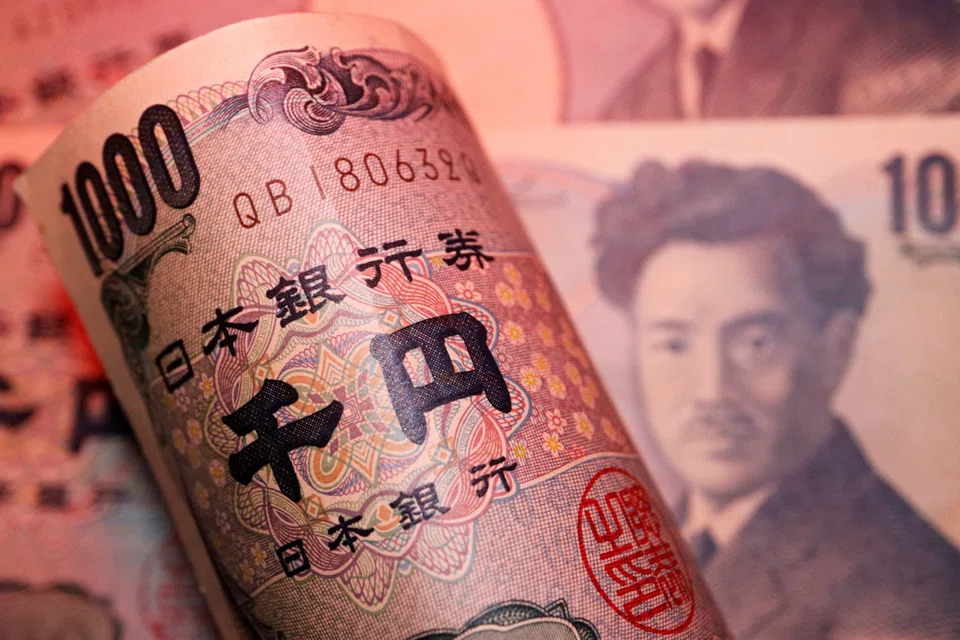
THE Japanese yen is one of the worst-performing currencies year to date. Having suffered from a year-long depreciation, the yen has weakened dramatically relative to the US dollar by around 26 per cent as at end-September, and against other major currencies. The yen’s weakness can largely be attributed to two factors.
First is a wide interest rate differential due to the policy divergence between Bank of Japan (BOJ) and other global central banks. While many central banks have expeditiously raised rates to combat inflation, the BOJ has retained its unyielding accommodative stance and kept rates low. Second is a widening trade deficit as a result of rising energy prices and the weaker yen. The large fall in export prices relative to import prices resulted in a trade shock (negative terms of trade), heaping depreciation pressure on the yen.
While these factors continue to weigh on the yen, we believe the currency weakness has hit an extreme level. Looking forward, we see limited downside for the yen relative to its upside and more reasons supporting the case for a stabilisation, and even a potential reversal beyond the near term. Four factors anchor our view.
TRENDING NOW

Once staunchly pro-China, Malaysian Chinese businesses are now distancing themselves from Beijing

Cliff Tan has 7 million followers and a 4-month waitlist. Why won’t he expand his business?

Grab CEO’s wife Chloe Tong on life with Anthony Tan and finding her purpose

Singapore F1 to proceed despite haze; no changes planned to outdoor entertainment

