

Weighing central bank digital currencies against crypto
CBDCs allow central banks oversight into their use; other cryptocurrencies offer the flexibility of global transfers without government surveillance
THE subject of central bank digital currencies (CBDCs) versus the open world of cryptocurrencies now represents an important political and financial battle. While cryptocurrencies such as Bitcoin have proliferated around the world, central banks have woken up to the possibility that the currencies they issue could be undermined or even replaced by the new cryptocurrencies.
Although most central banks have not come out with a flat condemnation of cryptocurrencies, most have started studying their own digital currencies. Almost all central banks around the world have CBDC studies underway or have already created their own CBDC.
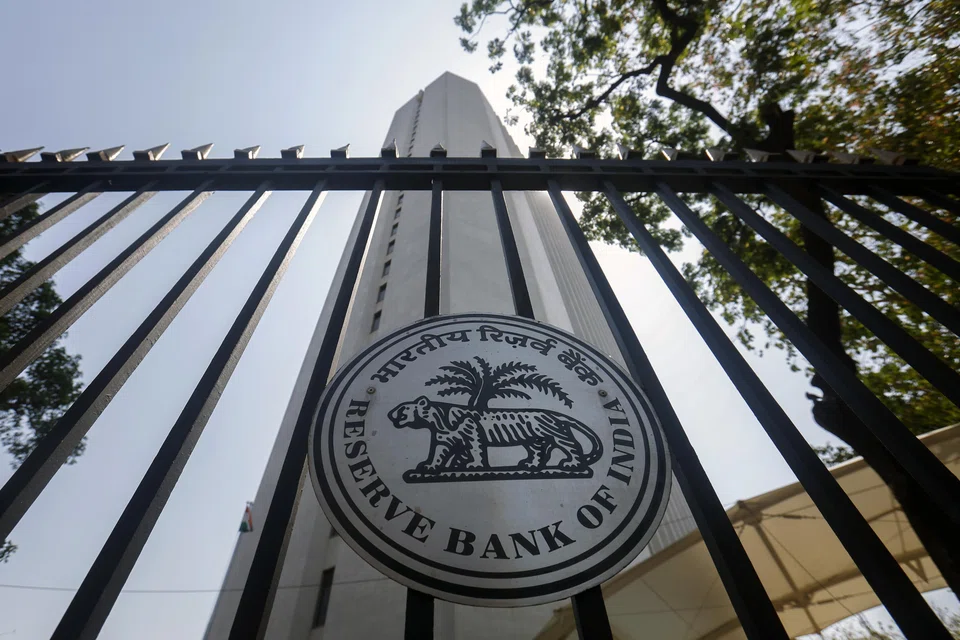
The Reserve Bank of India (RBI) directly condemned cryptocurrencies and came out in favour of CBDC. In late 2023, RBI chief Shaktikanta Das said cryptocurrencies posed significant risks to emerging markets and flatly stated that the central bank’s stand on the issue remains unchanged despite wider acceptance in other countries.
Responding to a question on the approval in the US of the first listed exchange traded fund to track Bitcoin – a move that could promote the world’s largest cryptocurrency and the entire crypto industry – he said: “Our position, my position and the RBI’s position on this remains unchanged irrespective of who does what... For emerging market economies and for advanced economies also, travelling down that path will create huge risks which will be very difficult to contain going forward.”
In previous comments, Das had said that cryptocurrencies did not have underlying value and posed risks for macroeconomic and financial stability. However, he highlighted the benefits of CBDCs and said the RBI was working on “programmability” of the e-rupee to enable cash transfers, such as using it in wholesale payments and in transfers to farmers.
In late 2023, Indian banks distributed some employee benefits through the digital rupee so that the RBI could meet its target of one million daily transactions by the end of 2023.
But while the Indian central bank was promoting the idea of a CBDC, in the US there was a move in favour of cryptocurrencies and against CBDCs. Former US president and current presidential candidate Donald Trump stated that he would never allow a US CBDC if he were re-elected into office.
In a January 2024 campaign speech in New Hampshire, he called CBDCs “government tyranny”. He said: “Such a currency would give our federal government absolute control over your money... They could take your money; you wouldn’t even know it was gone.” He vowed to “stop it from coming to America”.
Another presidential hopeful, Florida Governor Ron DeSantis, pledged to “end Biden’s war on Bitcoin” and banned CBDCs in his state. He also announced that Florida would accept Bitcoin as payment for state taxes from businesses.
It is quite possible that the significant financial resources available to cryptocurrency advocates could pay an important role in the political dynamics taking place not only in the US but also in other parts of the world where lobbyists are funded by cryptocurrency advocates. Money from those advocates is going into the campaign coffers of political candidates and could have a significant impact on the outcome of elections and post-election policies.
Nevertheless, the critics of CBDCs have important points. The adoption of CBDCs could enable governments to control the quantity of money being issued (which they now can do), and it would allow them to track where money was being spent and how. Going further, it would also allow governments to control the specific use of money – when the money would be spent and how long it would be available to the users.
For example, in order to promote a specific government programme, the CBDC could be targeted at a specific industry which the government wants to promote. The government could specify a deadline as to when the money should be used, after which it would expire.
The government could also track the specific payments made to ensure that the money was used in the directed way. These conditions are ideal for a centralised regime such as China, and countries where a CBDC can be used for control and direction. For obvious reasons, such countries would strongly object to independent cryptocurrencies.
US conservative politicians such as Trump object to strong central government control, and thus object to CBDCs and favour independent, unregulated cryptocurrencies. This battle will continue for some time. Recent moves by the US government to legitimatise cryptocurrencies, to some extent, points to some strengthening of the cryptocurrency faction.
However, central banks will not relinquish their control over money easily and will at least try to limit the scope of the cryptocurrency invasion and provide what they believe will be a good alternative – their CBDC.
The usefulness of a CBDC has already been challenged. Many critics said the ability to make easy and rapid payments with credit cards amid a plethora of online payment systems makes the idea of a CBDC obsolete.
However, the utility of cryptocurrencies such as Bitcoin is valid. The use of such currencies enable rapid global transfers without government surveillance or control – for legitimate or illegitimate purposes.
The writer is an investment professional with more than 30 years’ experience and is co-founder of Mobius Capital Partners






