From flourishing market to high quality of life: Why Hong Kong stands out to ultra-high-net-worth families
Having topped the initial public offering rankings in 2025, the city-state offers not only a robust capital flow but also a culturally rich family office ecosystem
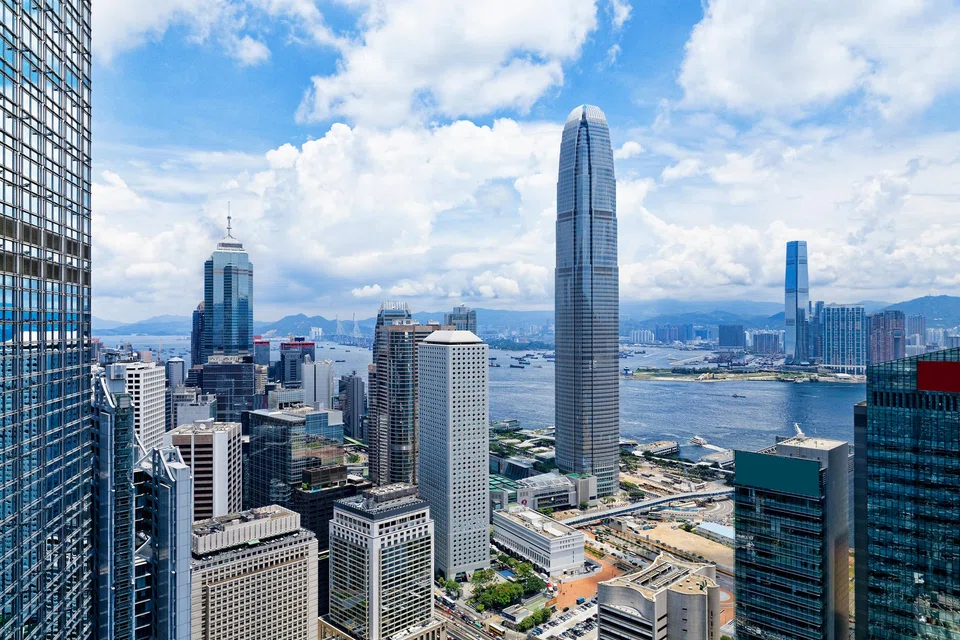
HONG KONG’S capital markets have entered one of their most dynamic periods in more than a decade. In 2025, initial public offering (IPO) fundraising ranked first in the world – reaching HK$285.8 billion (S$46.5 billion).
Currently, over 300 companies have filed applications to list on the Hong Kong Stock Exchange, including some large enterprises. PwC predicts that approximately 150 companies will successfully list in Hong Kong in 2026, raising between HK$320 billion and HK$350 billion.
The momentum is reflected in the depth of the 2025 listings pipeline. Not only are influential companies like CATL, a leader in new energy innovative technologies, listing in Hong Kong, but autonomous driving technology firms such as Pony.ai and WeRide – listed in the US – have also returned to Hong Kong for their listings. Additionally, Singapore-based biotech firm Mirxes and Malaysian civil engineering firm BBSB have chosen Hong Kong as their listing destination.
The confidence is not limited to issuers. Long-term institutional capital has returned prominently, including sovereign investors such as the Kuwait Investment Authority and Singapore’s GIC.
Singapore’s GIC actively participated as a cornerstone investor in the listings of Hengrui Pharmaceuticals and Zijin Gold International. Zijin Gold International was listed on the main board of the Hong Kong Stock Exchange on Sept 30, 2025, raising HK$25 billion in the largest gold mining IPO globally to date.
Cornerstone investors have also anchored major listings, sending a signal of confidence that attracts broader institutional participation – an indication of patient capital rather than speculative flows.
Opportunities in sustainability and biotech
Investors are increasingly looking at high-growth sectors such as infrastructure and green energy, in line with the broader momentum in global energy transition and sustainable technologies. Life sciences are also attracting attention, with growing allocations to biotech, precision medicine and medtech – fields whose ecosystems have grown rapidly in Hong Kong.
Insilico Medicine, a clinical-stage drug discovery and development company driven by generative artificial intelligence (AI), is listed on the Hong Kong Stock Exchange and raised about HK$2.3 billion, achieving the largest biotech IPO in Hong Kong in 2025.
Bettina Ernst, director of Bernina Bioinvest, a Swiss venture capital firm specialising in biotech and medtech, notes: “For investors like us, the city’s regional connectivity and regulatory openness create practical pathways from laboratory ideas to clinical and commercial milestones. Hong Kong sits at a valuable intersection of talent, research and partnerships across Asia, which is an excellent location for investing in innovation.”
In 2024, the total green and sustainable debt (including bonds and loans) issued in Hong Kong exceeded US$84 billion. Among which, the volume of green and sustainable bonds arranged in Hong Kong amounted to around US$43 billion, capturing around 45 per cent of the regional total and ranking first in the Asian market for seven consecutive years since 2018.
Fuelled by deep talent and supportive government policies
Underpinning this growth is a deep pool of internationally trained professionals. The IMD World Talent Ranking 2025 placed Hong Kong fourth globally and first in Asia – the city’s highest position to date.
Hong Kong is home to more than 267,000 financial practitioners, over 45,000 certified public accountants, and a legal community of around 13,000 solicitors and barristers representing 33 jurisdictions. Over 90 foreign law firms operate locally, providing sophisticated advisory support for family offices navigating complex cross-border structures.

Family offices benefit from operational flexibility: With no mandatory local hiring requirements, they can bring trusted executives from anywhere, preserving governance standards and continuity.
Additionally, the presence of such professionals fosters an environment that accelerates children’s growth, enabling them to learn, practice and receive premier international training in a nurturing setting. This ultimately benefits their future career planning.
The Hong Kong government introduced a tax concession for single family office, enhancing the growth of family wealth over generations. This initiative offers a 0 per cent profits tax rate for eligible family-owned investment holding vehicles managed by single family offices in Hong Kong. There is no obligation to keep a fixed share of assets in local markets, allowing families to allocate capital globally without needing prior approval to qualify for tax concessions.
The government will also enhance the preferential tax regime for single family offices. These include expanding the types of qualifying transactions eligible for tax concessions, such as those involving emission derivatives or allowances, insurance-linked securities, loans, private credit investments and digital assets.
As Allan Zeman, chairman of Lan Kwai Fong Group, observes: “Global families benefit from an unrivaled combination: direct access to China’s opportunities, a market of 1.4 billion consumers, a sophisticated wealth management ecosystem within a trusted common law framework, a highly favourable tax regime and an exceptional quality of life ideal for bringing up children.”
Embracing quality life in Hong Kong
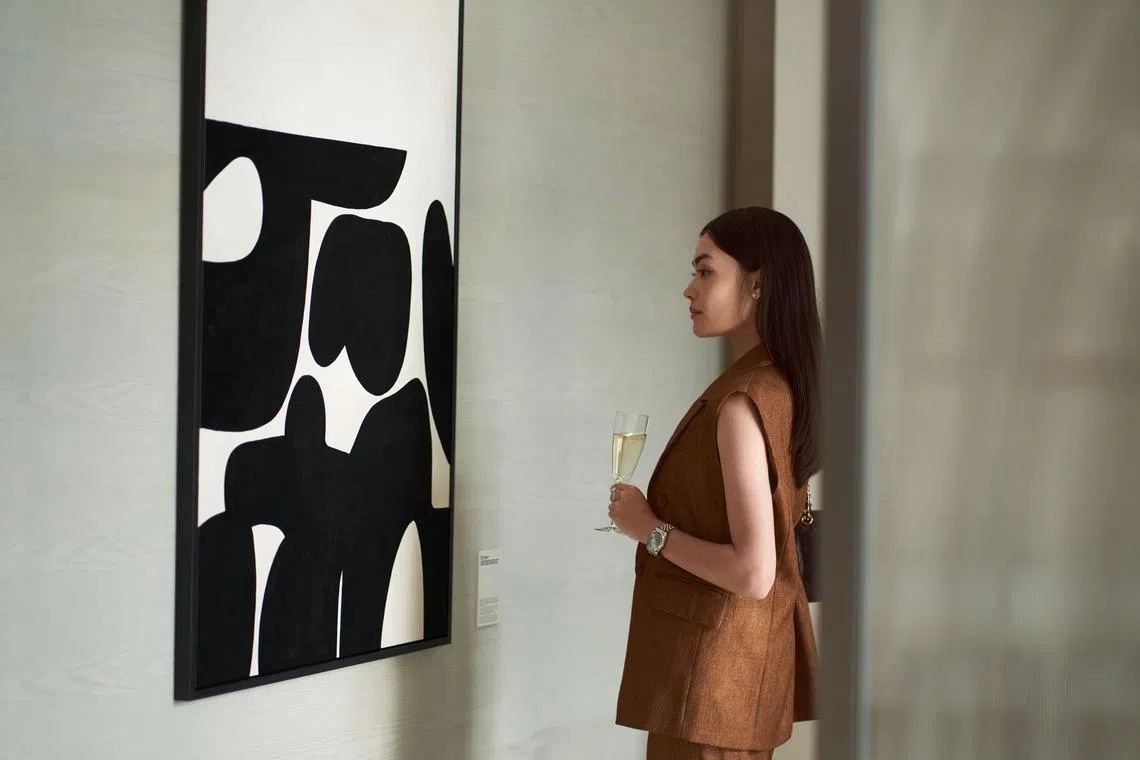
Beyond its financial dynamism, Hong Kong offers a rich cultural landscape. Its thriving arts scene – from major museums to home-grown festivals – adds a vibrancy that rounds out its global appeal.
Central and Sheung Wan are home to a thriving cluster of private galleries, while events such as Art Basel Hong Kong and exclusive events hosted by leading organisations demonstrate how art and culture have become integral to wealth stewardship.
Anchored by the West Kowloon Cultural District, M+ Museum houses over 8,000 works spanning visual art, design and moving image, with programming that includes collector dialogues, conservation workshops and curator-led sessions for families cultivating long-term cultural legacies.
At the same time, Hong Kong’s exclusive residential enclaves harmonise curated spaciousness and serene seclusion, epitomising the zenith of contemporary luxury living. Residences in The Peak, Mid-Levels and Repulse Bay offer sweeping harbour views, privacy and architectural excellence. These residential areas are close to financial districts, cultural landmarks and private clubs, allowing ultra-high-net-worth families to balance work, leisure and family life with ease.
Hong Kong’s lifestyle extends beyond its cultural vibrancy and luxury homes. The city’s culinary landscape is among Asia’s finest, with 76 Michelin-starred restaurants in 2025.
Dining options range from renowned traditional restaurants to contemporary international venues, often offering private salons, curated wine pairings and tasting menus delivered with meticulous precision.
The bar scene commands equal respect. With Hong Kong’s bars retaining their top position on The World’s 50 Best Bars list in 2025, the city’s wine and cocktail culture rivals its exceptional culinary prowess. From cosy hidden bars to rooftop venues with harbour views, the city’s finest establishments offer rare spirits, bespoke cocktails and privacy that sophisticated guests appreciate.

Decoding Asia newsletter: your guide to navigating Asia in a new global order. Sign up here to get Decoding Asia newsletter. Delivered to your inbox. Free.
Share with us your feedback on BT's products and services