Almost half of Singapore workers seeking new jobs even as economic outlook weakens

Jeanette Tan
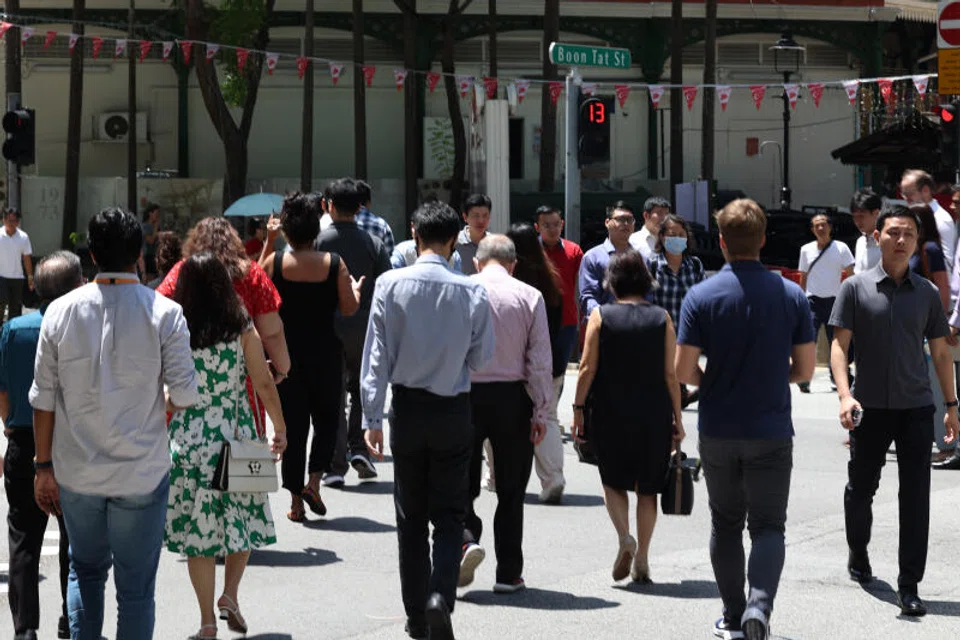
THE search for better opportunities is a continuous process for 33-year-old Daniel Goh, an associate commercial director in a biotechnology firm.
“I’m not a job hopper and I don’t really like to change companies,” he told The Business Times. “But I think it’s important to keep an eye outside, while remaining loyal and committed, to know your true worth and also stay up to date with the market.”
Goh said he is “always looking out” for his next opportunity, and recently changed jobs after six years for a more senior role with better remuneration.
Employers who believe employees such as Goh would be wary of changing jobs as the economic outlook weakens, be warned.
A survey by audit giant EY Advisory found that 45 per cent of employees in Singapore are likely to resign from their current workplaces in the next 12 months, with better employee programmes and perks cited as top reasons.
Its 2023 Work Reimagined survey polled 250 employees and 50 employers (with 500 to 15,000 employees) in Singapore.
The survey found a disconnect between employers and employees concerning how slower economic conditions affect employees’ keenness to switch jobs.
While 74 per cent of employers here believe slower economic growth will reduce employees’ likelihood of quitting, only 59 per cent of employees agree.
EY Asean workforce advisory leader Samir Bedi said many working professionals here are seeking better well-being programmes that fit their post-pandemic life and priorities, as well as better pay to keep pace with inflation.
Bosses, workers not aligned
An even bigger chasm exists between employers and employees on the topic of how we work.
While 94 per cent of Singapore employers think managers and leadership are aligned on areas such as work schedule, time off, as well as remote and hybrid work, only 58 per cent of employees here believe this.
Data from human-resources tech startup EngageRocket showed the employee net promoter score, which reflects the likelihood that employees would recommend their companies as a good place to work, has fallen 12 percentage points year on year to 41 per cent.
Dorothy Yiu, EngageRocket’s co-founder and chief executive, said that employers need to take such data more seriously.
“The cost of an employee’s voluntary attrition can escalate to twice an employee’s annual salary,” she said. “Organisations need to recognise the financial impact to attrition, and implement robust listening and analytics programmes to identify factors influencing employee attrition, and deploy targeted interventions.”
At odds on AI
EY’s survey also showed that 64 per cent of employees here are either using or planning to use generative artificial intelligence (GenAI) in their work within the coming year.
GenAI is AI capable of creating content, whether in text, image or video form.
Among Singapore employers, 92 per cent say they are either using or planning to use GenAI.
Despite this, just 12 per cent of the Singapore employers surveyed said they plan to provide training on GenAI-related skills.
Yiu, meanwhile, said EngageRocket has found that 76 per cent of HR leaders believe organisations will lag if they fail to adopt and implement AI; but only 5 per cent of the 100 leaders interviewed said they were prioritising AI implementation in 2024.
“This discrepancy raises critical questions about the existing knowledge and preparedness within organisations to navigate the complexities of AI integration,” she said.
“Businesses must bridge this divide by investing in comprehensive training and education programmes – ensuring that decision-makers are equipped with the knowledge and tools necessary to successfully incorporate AI solutions into their operational frameworks.”