

How consumer giant Unilever rebuilds niche brands - with its own “incubator”
Lisa Kriwangko
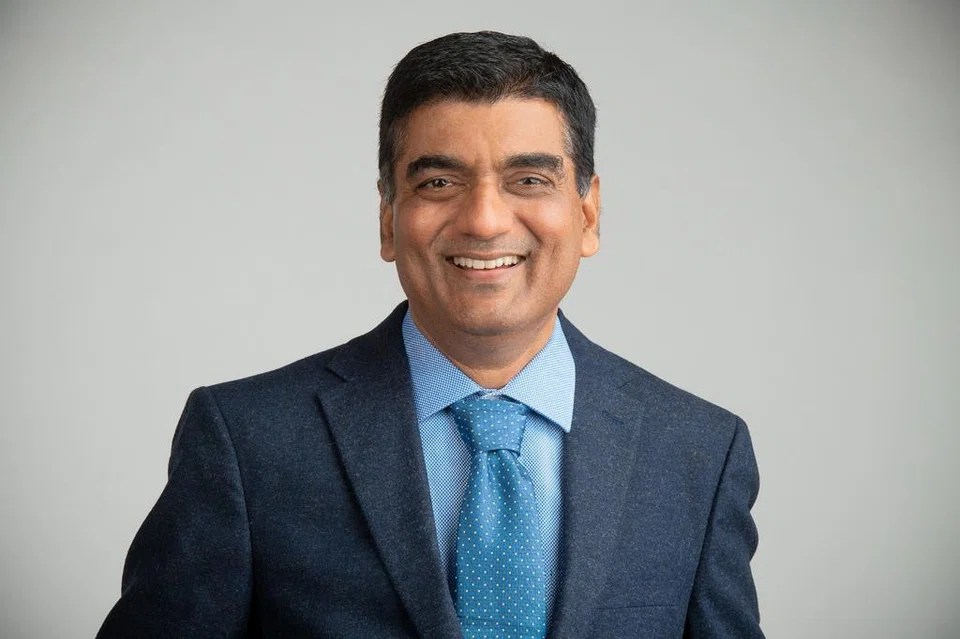
WITH over 400 brands and 190 countries to manage, consumer goods juggernaut Unilever relies on its business unit, Unilever International (UI), to fill in gaps not covered by its immense portfolio.
Born in 2012 out of a need to “serve the underserved markets”, UI works with Unilever’s category and country teams to identify segments that are niche or “hard to serve”, or that are not strategic for the mainstream business, said chief executive Umesh Shah. This includes many smaller markets such as Mongolia, East Timor, Papua New Guinea, Guam, Maldives, and Yemen.
Instead of having Unilever build factories and operations there, UI partners local distributors to import products. For example in the cold-weathered Mongolia, UI introduced its petroleum jelly brand Vaseline as a moisturiser for dry skin in 2018. According to Shah, it is now “ one of the leading skin care brands” in the area.
When a brand is first imported, it undergoes an “incubation period”. This lasts about 2 to 3 years, during which UI works on reaching customers through digital marketing and in-store activation - the latter includes creating brand displays, driving in-store promotions and providing product samples. UI currently has about 100 of Unilever’s brands in its incubation lineup, Shah noted.
Within larger countries, UI also identifies and serves untapped consumer groups, for example Muslim communities in the UK or Jewish customers in the US. He noted that Unilever’s operating brands in the US and UK did not have the bandwidth or economies of scale to produce for smaller market segments, so UI oversees the distribution of halal-certified products from Turkey and Morocco to the UK, and that of kosher goods to the US.
In South-east Asia, Shah has seen growing demand for skincare products from Korea, prompting UI to introduce its Korean brand AHC to the region.
As globalisation continues, more people are migrating to different countries, creating a new group of buyers who might seek out familiar brands of their home countries, he added.
Shah recounted that when he started UI, Horlicks was produced and operated by Hindustan Unilever in India for its local buyers. However, Unilever grew the brand in Singapore as it saw an expanding Indian diaspora in the citystate. Over time, the product reached people outside of the initially targeted segment as well; today, Horlicks has become a supper staple for many Singaporeans.
Once the brands are deemed “big enough”, meaning they are starting to see strong consumer acceptance and achieving sizeable market share, UI hands over its operations to parent company Unilever to manage locally, Shah said.
But he noted that some markets “will always remain with UI” because they require very different capabilities, strategies and connections to operate, compared to the larger brands and markets.
Since its inception a decade ago, UI has brought focused operations to 45 geographies out of Unilever’s 190.
TRENDING NOW

Vietnam’s northern provinces, not Hanoi or Ho Chi Minh City, are powering near 10% GDP growth
VietJet hit with global asset freeze in FitzWalter dispute

Gridlock or growth? The Asean Power Grid faces a critical window of opportunity
LNG, stronger regional power links key to Asean’s energy resilience: Shell

