

‘The investment we make will pay off’: 3 Singaporean leaders explain why they’re prioritising mental health


THE way we work was fundamentally changed by the Covid-19 pandemic; for many, that process was stressful and difficult to navigate. The Business Times (BT) spoke to three corporate leaders in Singapore, who shared how they emerged from the crisis with a better appreciation of the importance of mental well-being.
Starting as a leader of an empty office
Kelvin Ho was appointed to the role of chief executive officer at Nomura Singapore in April 2020, right when the Covid-19 “circuit breaker” was announced.
“Exactly one week into my role, we had to force everybody out of the office and to work from home. That was a big challenge for me,” he told BT. “I actually broke down. I had just started my new role, (which is) very different from what I used to do as an investment banker, and all of a sudden, when no one was around, I had this huge task ahead of me to run the office.
“And then, next thing you know, one week later, everyone’s working from home; you don’t get to see people, you feel that you don’t have the support you need from your team… It was a big change that I had to go through.”
Ho turned to his wife, who urged him to reach out to a few senior trusted colleagues.
“I spoke to them about what I was going through, and I found that they were facing the same issues,” he said. “Leaders are not perfect. We have our own issues and struggles as well. I was a big beneficiary of the community around me who helped me get through that period.”
Ho later joined WorkWell Leaders, a network for business leaders in Singapore.
“I found that a lot of the issues I faced are actually very common. That gave me confidence because (I knew I was not) the only one who had those issues,” he said. “A lot of people around you, they have similar issues, and sometimes even worse, right? Through sharing with one another, we tried to tackle these jointly.”
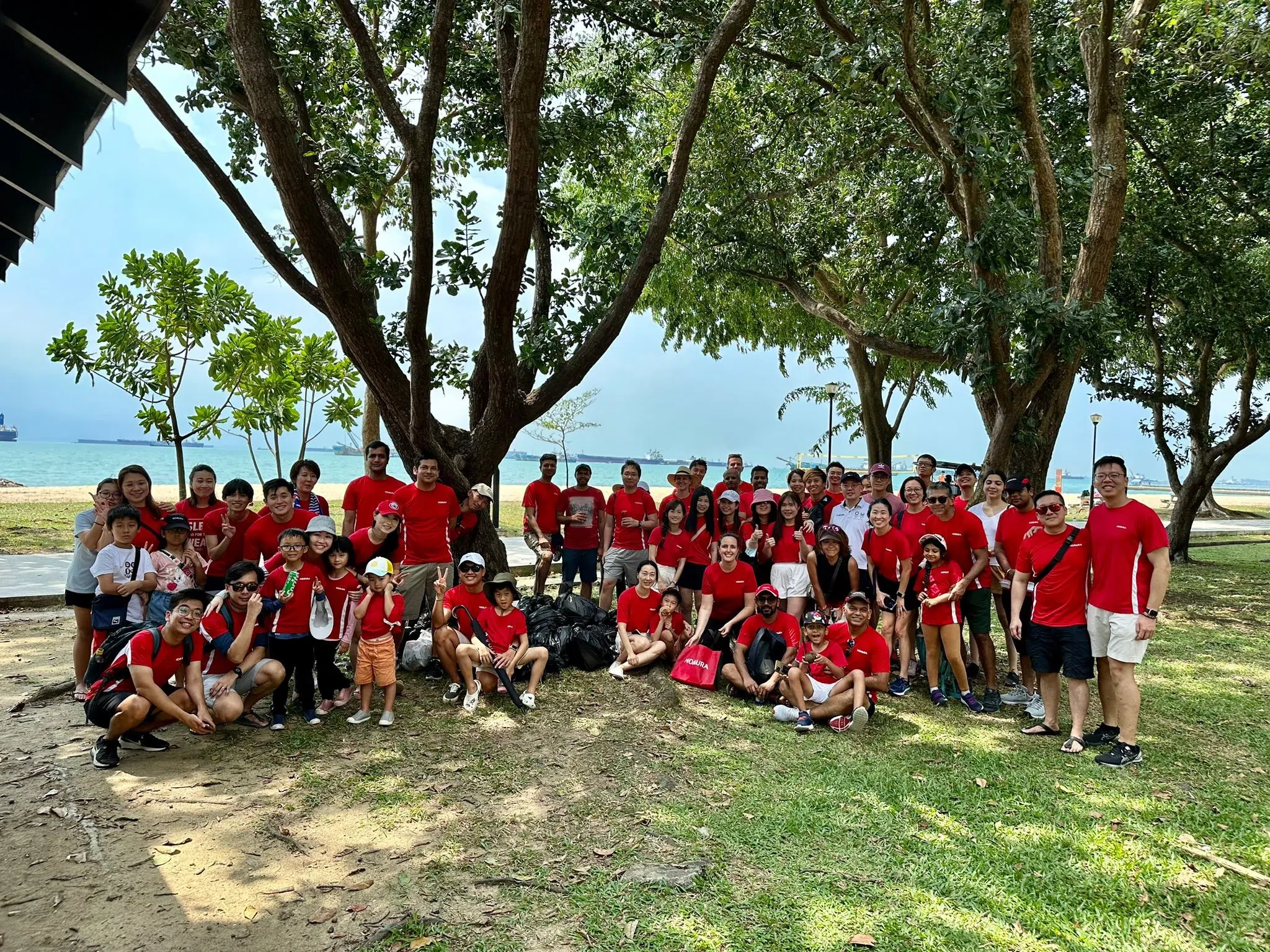
Ho and his senior colleagues went on to share their mental health journeys on the company’s intranet and established a network of trained mental health champions locally and across the region. They also set up interdepartmental groups of staff at various levels to give them opportunities to speak openly about their challenges.
“What I’m trying to do is to get a trickle-down effect throughout the organisation, to set the tone, and help to shift its culture,” he said.
Overcoming working mother’s guilt
The story was similar for AIA Singapore CEO Wong Sze Keed, whose appointment announcement was delayed for months as the insurance giant’s management hesitated amid the early days of the pandemic.
By the time they realised that Covid wasn’t going anywhere, all of Wong’s communication with the company had been forced into the virtual space.
“I couldn’t interact with my staff. I spoke to my direct reports and peers all virtually,” she told BT.
“It was a series of all these virtual broadcasts, engagements, and activities that made me realise… that actually, I was making everybody very tired and very fatigued. That accelerated my thinking that it’s so important to call out the importance of mental well-being.”
For Wong, AIA’s journey to surfacing mental health as a priority started with her realisation that its programmes focused mainly on physical health.
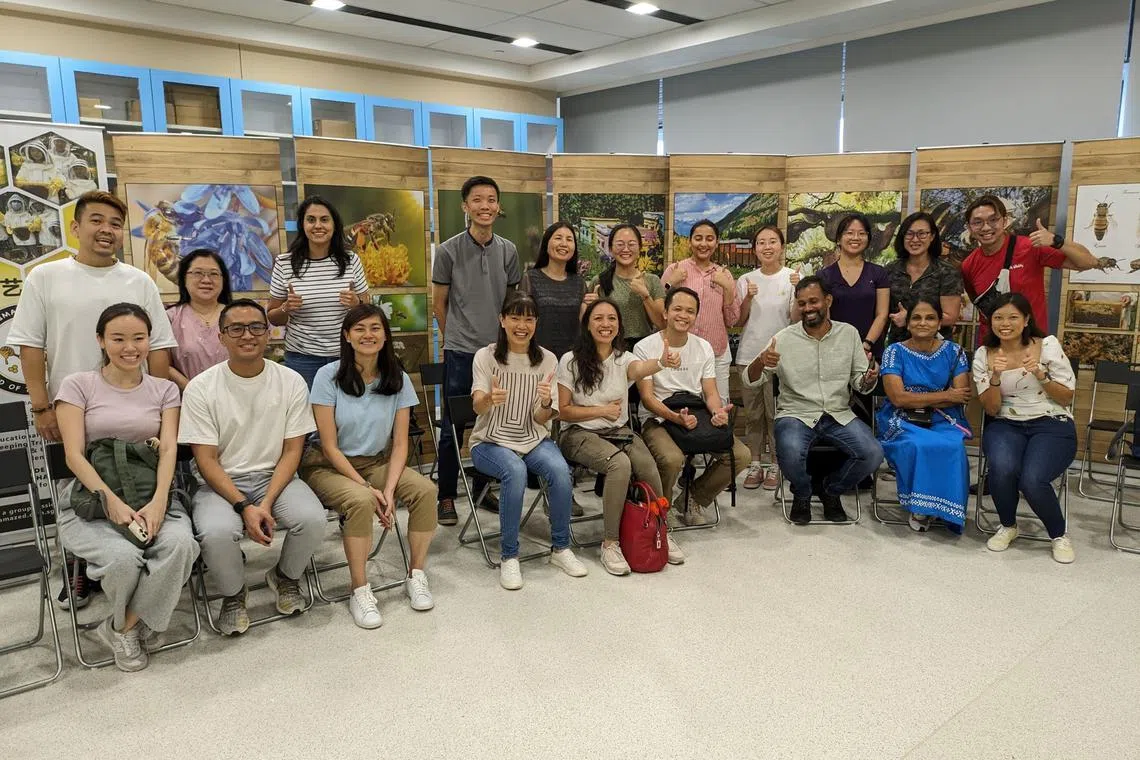
Now, AIA’s suite of mental health support measures for its staff includes access to remote and in-person white-coat psychiatric help, as well as a half-day off every second Friday of the month.
Wong also started “Dialogue with Keed”, a platform for staff to speak with her directly. After one of these conversations, which happened to be focused on mental well-being, one of her staff messaged her privately to thank her for surfacing the topic and for providing a safe environment.
“And that was enough for me – just one staff approaching me – to affirm that we are on the right track.”
Wong’s personal journey centres on her struggle as a working mother moving up the ranks in her career.
“In the early years, I was always a guilty mother. My second corporate job was a regional role; very shortly after taking it on, I quit,” she said. “Every time I left the house on a trip, my daughters, then aged two and four, were always crying because they couldn’t bear to see their mother leaving and not coming back until a few days later. It was unbearable.”
Looking back, Wong said she now knows she didn’t need to feel that way. Her daughters, now aged 19 and 21, still have a close relationship with her.
“Today, I would tell women executives never to be too hard on themselves. Never have that guilty-mother mentality, because it doesn’t mean that focusing on your career means you’re neglecting your children. It’s not a this-or-that situation.”
She added: “I’ve (been) through that in my personal journey, and I’m just so glad that I talked myself out throughout – I told myself it’s not about the quantity of time, it’s the quality; that’s how I stayed mentally strong.”
From weekly work travel to lockdown cabin fever
Having been with Dell for 25 years, Ng Tian Beng speaks credibly when he says mental health has for a long time been a priority for the tech giant.
But Ng, who serves as senior vice-president for channels in Asia-Pacific and Japan and leader of the company’s Singapore office, wasn’t prepared for the psychological impact the pandemic had on every one in the early months.
“I saw first hand many who were quite deeply impacted, and it didn’t really matter whether you were the most senior leader at the company or a new university graduate,” he said.
The most encouraging experience for him at the time was what he described as the “overwhelming” response he received from senior leaders willing to share personal stories at a virtual town hall he organised on mental health during the pandemic.
“It surprised me that many senior leaders were actually very enthusiastic to share their own personal stories, and how they dealt with their struggles,” he said. “It really reminded me that leaders need to lead by example, own and set the tone and culture.”
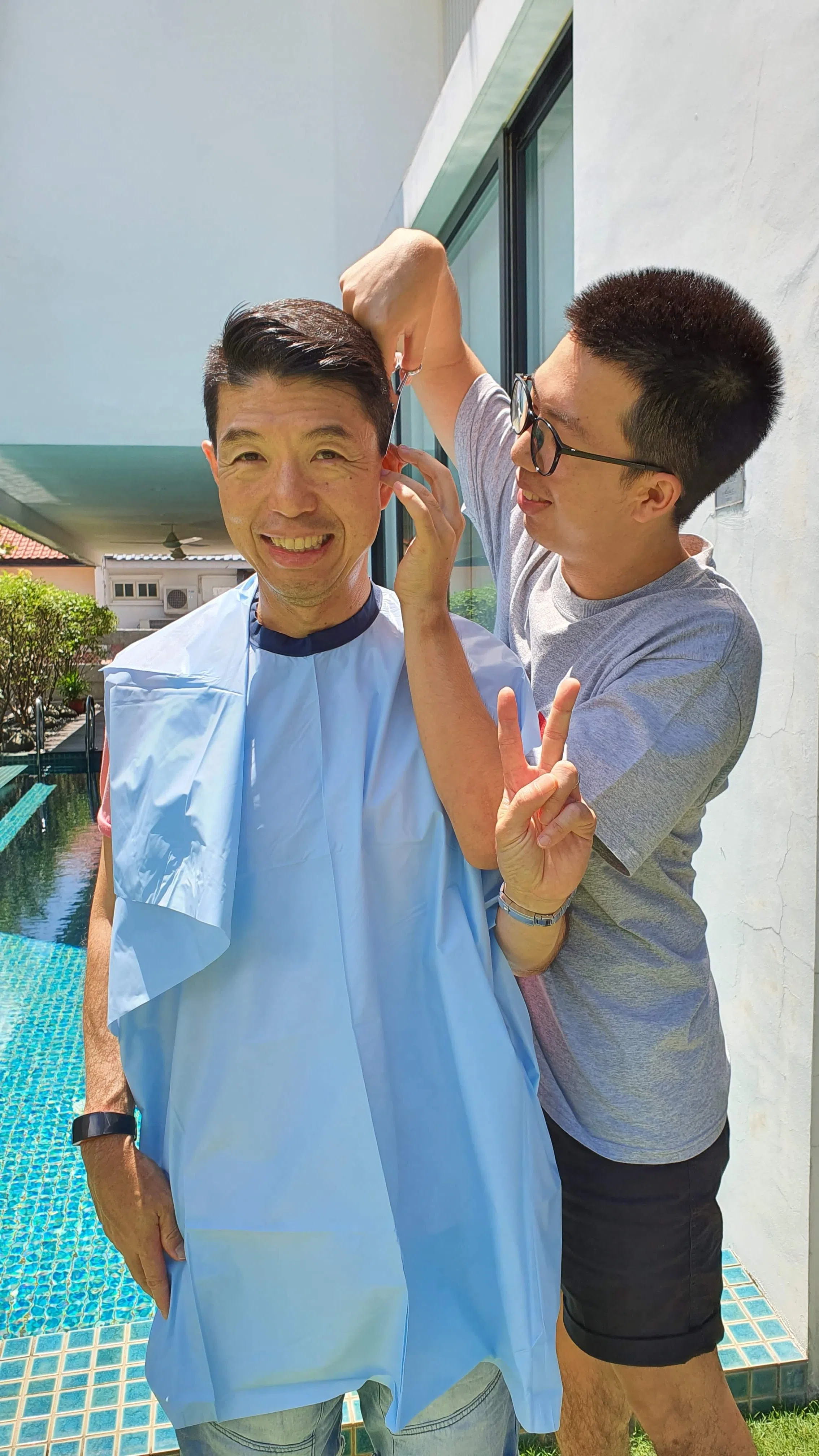
Ng’s story, which he shared at that town hall, was one of an extrovert who had to transition from weekly business trips jam-packed with in-person meetings to “circuit-breaker” mode. At the time, he wasn’t able to leave his house – and for extended periods, even his own room.
“Prior to the pandemic, and even now, I travel a fair bit for work… I just felt a loss of control and helplessness because I was stuck in a room doing all these calls, and it was very different,” he said.

Ng is a big advocate of sharing candidly. He also believes in leading by example, by looking after his own mental health and taking care of himself (through exercise), in order to care for the staff he oversees.
“This is an important area that you can’t outsource to human resources or companies like Mercer,” he said. “Listen to your team, spend time with them… and you’ll be able to detect this very clearly. Remove the stigma; share your own personal experience.”
Happy people do their best work for the business
One thing all three leaders agreed on was that the best return from prioritising employee mental health and well-being is a successful business.
“A people-first mandate is something I am very passionate about,” said AIA’s Wong. “We don’t have to talk about KPIs (key performance indicators). Everybody knows what we have to do. But if we focus on people, the people will focus on the business.”
Nomura’s Ho said: “I’m a strong believer that employees who are happy at work and at home are more productive. So the investment that we make as leaders, as companies, that will eventually pay off.”
Dell’s Ng, who sits on the Workplace Safety and Health Council under the Ministry of Manpower, pointed out that the government offers plenty of supportive programmes for small and medium-sized enterprises.
“I think all leaders should understand that concept,” he said. “It’s only when your team members are really happy in what they do that they will bring their happy selves to work and perform. Their productivity goes up, and they also have better relationships with colleagues, customers and business partners.”






