Jane Fraser’s empathy doesn’t mean Citi is soft
A tough remodelling job at the underperforming bank will test the CEO’s leadership in 2024
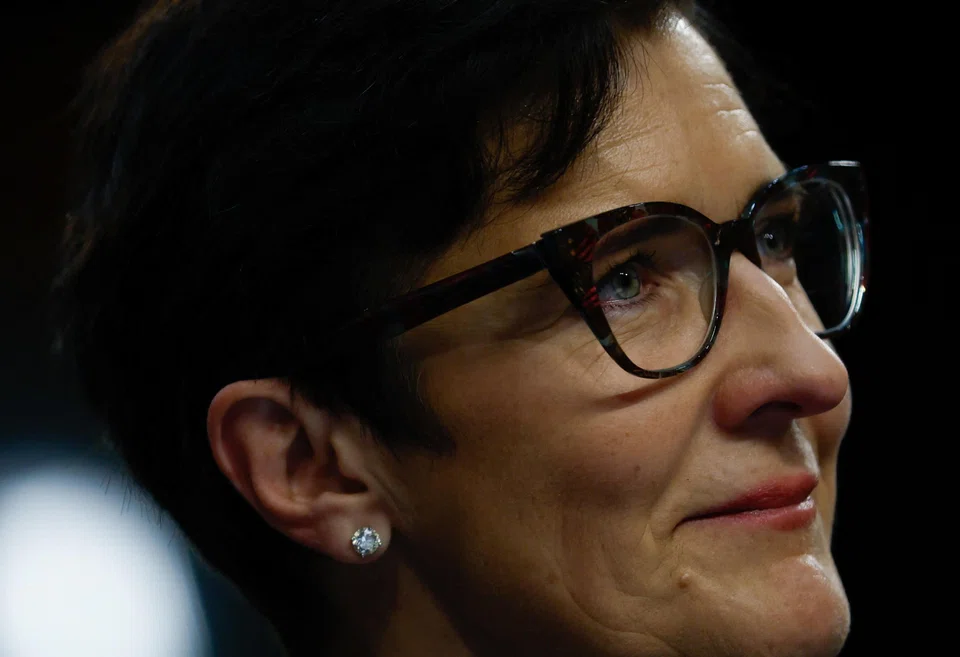
“YOU can be a straight talker without being an unpleasant person,” Jane Fraser told a CNN interviewer in 2018, long before she became Citigroup’s chief executive officer nearly three years ago.
It was an early statement of the empathy and human touch that she has made key to her image as a leader. In 2024, Fraser will be testing this to its limit now that Citigroup has finally begun its huge and long overdue remodeling job. Fraser is trying to repair the bank’s poor returns by excising layers of management and dismantling regional fiefdoms. Thousands of jobs are being cut. For some staff, the uncertainty will last well into the first quarter of 2024.
It’s the right plan, but that doesn’t make it easy in the slightest. Fraser will need steel, guile and great powers of persuasion to kill off Citigroup’s bureaucracy, slash costs and change the culture – all while keeping people committed to their jobs through a process that will likely take years.
Warily, shareholders have welcomed these hard-nosed decisions. Citigroup stock has become a favoured bet among many, according to analysts, but partly because there’s little downside when the shares have been trading near 40 per cent of the value of Citigroup’s net assets – by far the worst of the big US banks.
Citigroup, the global financial supermarket built by Sandy Weill in the 1990s, never fulfilled its promise. It was too big and lumbering to manage. When the financial crisis of 2008 hit, it was least able to cope, taking America’s biggest bank bailout. Since then, rivals have recovered, finding ways to sharpen their focus and boost profits. Even Wells Fargo & Co, despite sales-practice scandals and regulator-imposed balance sheet restrictions, has pushed ahead.
Citigroup’s previous CEO, Mike Corbat, began to slim the bank down as he battled to repair the damage from 2008. He reduced bad assets and cut staff by about one-quarter during his nine years in charge, while also fighting fires in internal controls and technology. But the changes weren’t radical enough, and the bank retained its cumbersome criss-cross of geographic- and product-based management teams.
Fraser was determined to change things from the start of her tenure in early 2021, moving quickly to ditch inefficient and subscale consumer banking businesses in 14 countries. It’s amazing Citigroup held on to many of these for so long, when it should have focused on building a stronger US deposit base. (In contrast, JPMorgan Chase & Co is only just beginning an international retail expansion now that it believes an entirely digital bank without costly branches is viable.)
Fraser’s aim now is to radically thin the bank’s bureaucracy and change how things are done. She admits this won’t be universally popular. “It’s going to make some of our people very uncomfortable,” she said about the next stage of reorganisation in September. “I am absolutely fine with that.” (Citigroup declined to make her available for interview.)
This sounds like a harsh change of tone from the Fraser who took the reins during the bleak second winter of the Covid-19 pandemic. One of her first firm-wide memos began with a vignette about her shock at finding no vegetables in the grocery store and sympathised with employees over the fatigue caused by the collapse of boundaries between home and work life.
To support general well-being, she told people to cut out video calls on Fridays and be more respectful of evenings and weekends. She said they should take proper vacations and promised that hybrid, flexible working arrangements would be permanent – and she stuck to that when Wall Street peers started getting snarkier about bringing people back to work.
Fraser also mandated Covid-19 vaccinations to protect all staff and enraged self-styled warriors against “woke” by pledging that Citigroup would support staff who needed to seek an abortion after the US Supreme Court opened the door to bans at the state level in 2022. She received wide acclaim from others and was lauded as a new style of leader for Wall Street. (Although it should be noted that Corbat, too, stuck his neck out on weapons sales and on gender-based pay inequalities.) Despite this tone from the top, Citigroup has been accused of tolerating sexual harassment in a lawsuit from a female former managing director.
In 2021, when all banks were struggling to attract and retain staff, Fraser’s human approach had a goal of making the underperforming bank a more attractive place to work. Its investment banking co-head at the time, Manolo Falco, told reporters that flexible working gave it a competitive edge in the battle for talent.
How things have changed! After the collapse in investment banking over the past 18 months, and with Citigroup’s own wave of job cuts well under way, Fraser has adopted a harder approach to hybrid work. Since the summer, the bank has been tracking workers’ attendance and warning of pay and promotion consequences for those not turning up to the office at least three days a week.
Meanwhile, Fraser’s financial fix-up job has a long way to go. In early 2022, she set a medium-term target for returns on tangible equity of 11 to 12 per cent. Analysts are forecasting 7.3 per cent this year and 6.7 per cent for 2024, according to consensus data compiled by Bloomberg.
The bank needs to cut expenses and boost revenue. It has a long-held and rarely met cost-to-income target of less than 58 per cent. Its current ratio is more than 68 per cent. The bank could do with increasing the amount of cheap deposit funding it gets. Barely 15 per cent of its liabilities are interest-free demand deposits, which is about half the level of large peers, because it has a more limited US consumer bank. Citigroup does have large corporate depositors, but it’s still more reliant on other costlier forms of funding than its rivals are.
Citigroup’s chief financial officer Mark Mason has promised that costs will fall over the next three years and that the bank can grow revenue annually by 4 to 5 per cent, on average, even as the boost from rising interest rates starts to fade. This goal has been hurt by the investment banking slowdown, which Mason expects to reverse next year. Its global wealth management business – meant to be a cornerstone of the new strategy – has made disappointing progress, Mason told investors at a Goldman Sachs conference this month. So Fraser has poached Andy Sieg from Merrill Lynch Wealth Management to try and change things there.
The bank has set out on the right track, aiming to refocus on what it does best, which is looking after the international financing and payments needs of very big companies, while also trying to do American consumer and wealth banking better. It took longer to make this decision than its closest international peer, HSBC, which is in much better shape after years of restructuring and divestments, although it still has its detractors.
For Citigroup, too, it will likely be years before shareholders see the benefits of Fraser’s efforts. She has been clear that it would be a long and costly job, involving discomfort for investors and employees. “You’ll hear about what we are doing to change our culture. To consistently deliver excellence. To become a bank that won’t accept mediocrity,” she said at her first investor day in 2022.
The writing was on the wall. Friendlier human resources policies never meant an easy life. Presenting Fraser with an award last month, Larry Fink, CEO of Blackrock, described her as a leader with equal measures of “resolve and good humour, toughness and kindness”.
In the slog to make a success of Citigroup, Fraser will have to prove that her brand of empathy doesn’t make her a soft touch. BLOOMBERG