

Seven tips that will make you an ace panellist
It doesn’t take much to make panel discussions more exciting and interesting
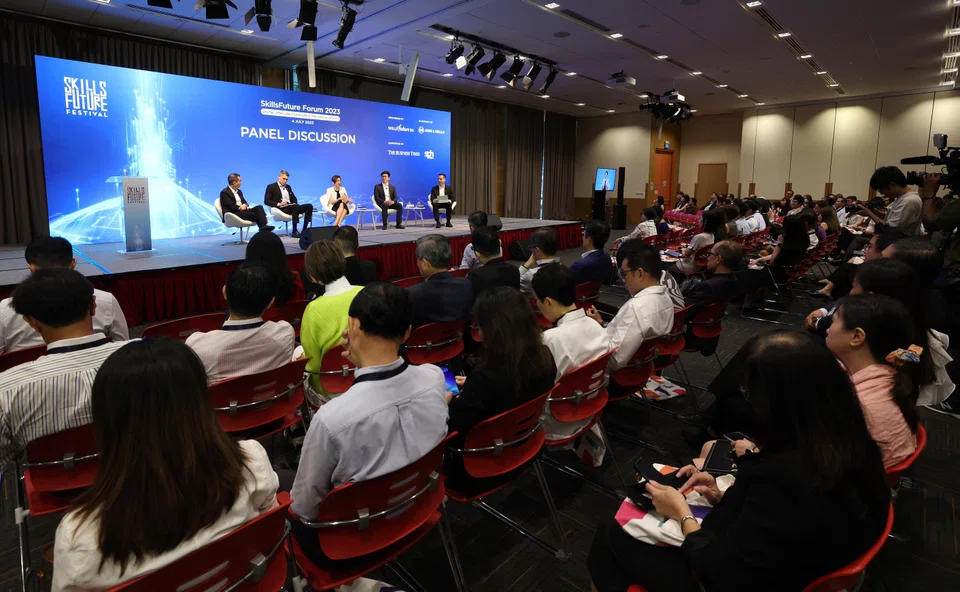
PANEL discussions bring an essential interactive multi-speaker dimension to conferences. They have, however, become so formulaic that they no longer inspire. Audiences sometimes complain they are “all panelled out”.
To keep them interesting, and to make the most of the panel discussion for yourself and your organisation, here are seven simple things you can and must do as a panellist.
1. Have something to say – but don’t be salesy
If you find yourself on a panel, remember: you are not there to push a product, nor are you there to merely answer questions.
As a business leader, your time is too scarce and valuable for the panel to generate no business value.
So, have something interesting to say that will make your audience sit up and take notice, something your audience will remember you by.
Ideally, you should speak about a business problem, a customer pain point, or a societal issue that ties back to the panel title.
2. Manage the panel discussion before you attend
Don’t wait for the panel moderator to send you a list of questions. Instead, proactively send a list of topics you can speak about. Make yourself available for a call with the moderator and other panellists.
If you don’t, the moderator won’t know what to prompt you on. This could lead to uncomfortable surprises when you get completely unexpected questions.
3. Provide an introduction
Panel moderators often introduce guests using information in official biographies or by picking out key events in a guest’s LinkedIn profile.
Often, these are too long and not written for the spoken word. The moderator may also highlight those parts of your biography you would have preferred not to be highlighted.
Proactively send the panel moderator an introduction of no more than four lines. Highlight key employment and educational milestones, and an interesting claim to fame.
4. Get set for unplanned questions
Panel discussions are often very choreographed, sometimes even too much. The reason so many feel a lack of enthusiasm about panels is because they are so safe and predictable.
Get ready for left-field questions from your audience, the panel moderator and even other panellists. Such questions will make the panel more interesting and more compelling, and will better hold audience attention.
If you know how to respond to questions expertly, you will come out on top.
5. Manage your stage fright
There are 12 forms of stage fright:
- Not feeling sufficiently prepared
- A fear of being forced to answer personal questions
- Inability to think quickly on one’s feet
- Preferring one-on-one conversations to addressing a crowd
- Hearing a berating voice in one’s head for every slip-up
- Believing that if one can’t deliver a perfect presentation, it is preferable to not present at all
- A dislike of giving razzmatazz presentations
- Not liking to present when the previous presenter was better
- Being thrown off when asked to change presentation materials or to cut a presentation short
- Feeling as though the audience’s eyes are piercing one, and sensing a dislike from them
- Unable to present if the audience members haven’t turned on their webcams
- Hating to waste time on presentations that are of no consequence
Some people have none, while others have just one or two. There are also those who get so freaked out, they swear never to get on stage.
Yet, all stage fright can be conquered. Understand where your stage fright comes from, and you will be able to overcome it.
6. Have a call to action, interaction or transaction
The end of the panel discussion marks the beginning of your next conversation with interested delegates.
Don’t wrap panel discussions with a generic “thank you”. Rather, invite your audience for a further conversation after the panel.
7. Avoid slides
Sometimes, panel discussions become mini-presentations, where panellists bring along PowerPoint slides. If this is the format the event manager has settled on, then provide ideally no more than three slides.
Nevertheless, be prepared that the technical people on the audio-visual desk have no idea when you want to show which slide. Either brief them on it, or do away with slides altogether.
Panel discussions do not need to be long, boring, and predictable. It doesn’t take much to make them more exciting, more interesting, and have the audience baying for more.
Mark Laudi coaches top executives in presence and media skills, and also acts as anchor or moderator at business conferences and events






