Staff welfare over profits: why and how I built family-friendly practices at my vet clinic
Dr Kenneth Tong makes family-friendly work policies work for his staff at his clinic, Animal and Avian Veterinary Clinic (AAVC) in Yishun. He shares how they do it
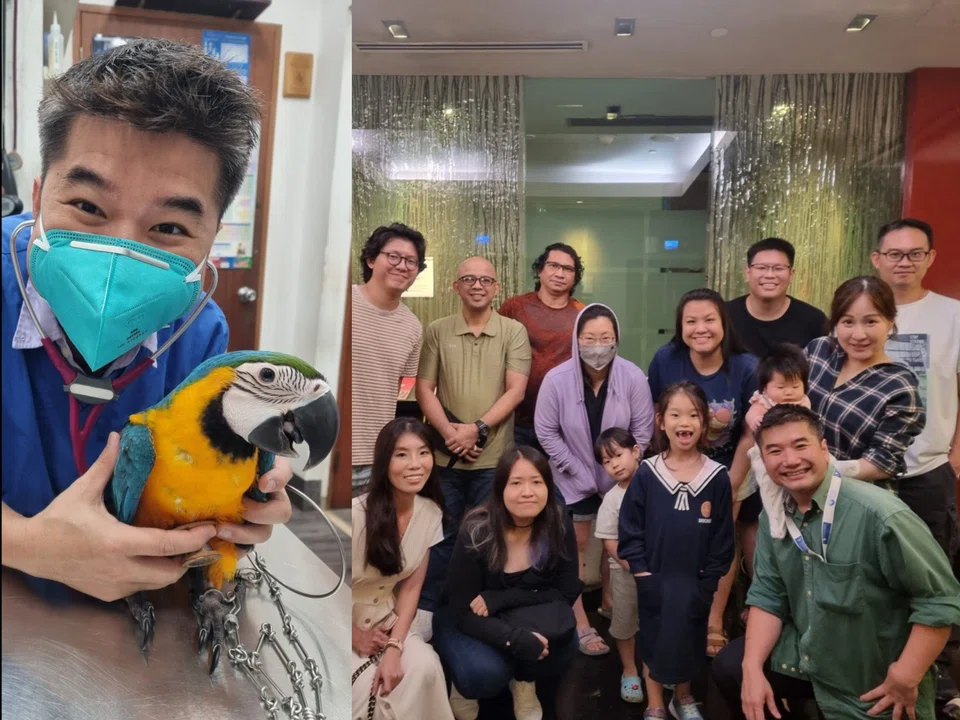
AS a father of three young children, I know completely that it isn’t easy to juggle work and family.
You can say that it is the very fact that I’m going through these challenges that makes me appreciate having a culture of acceptance, respect and empathy towards my colleagues in similar circumstances. I believe, therefore, that any helping hand that a working father (or indeed, mother) can receive from his company and team is always welcomed.
Helping dads play bigger roles in their households
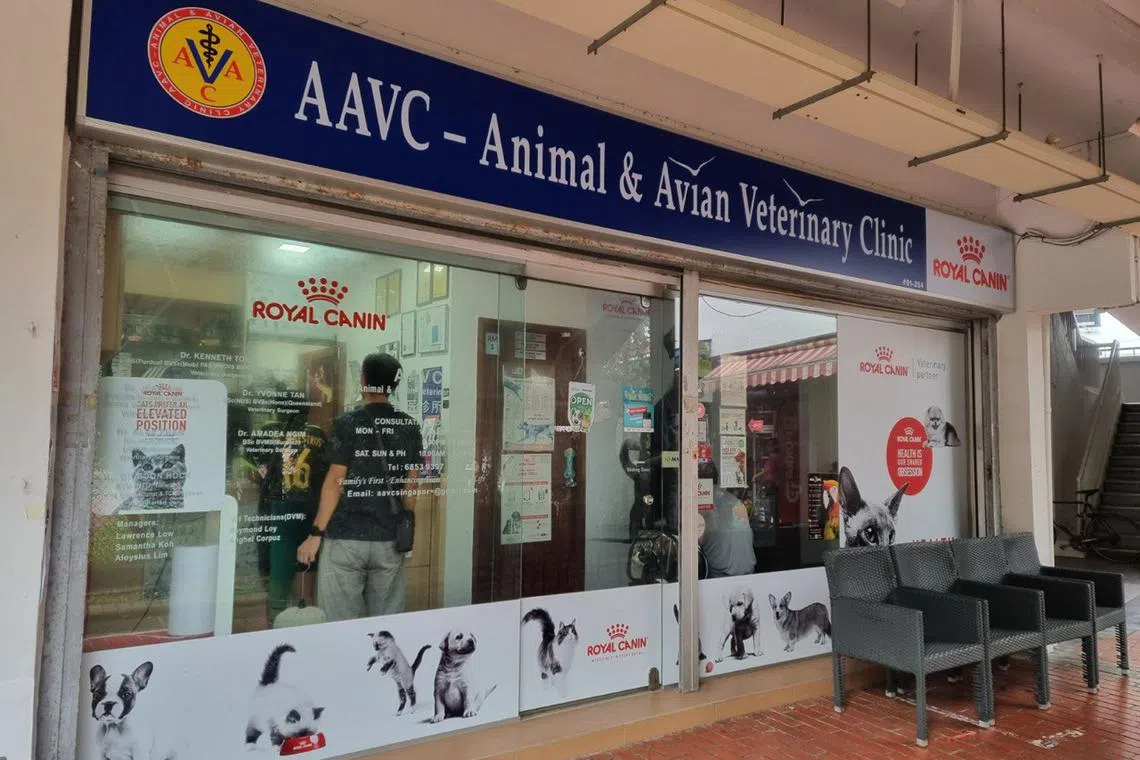
This forms the basis of the culture I consciously implement at AAVC, which I founded in 2008. From the very beginning, long before it became mandatory, I implemented paternity leave, because apart from helping mothers find flexibility in their work, I think a big part of this is enabling fathers to play a bigger role in caring for their children.
I also put in place family-friendly working hours – we start at 10 am, close at 2 pm, then open again from 5-8 pm, so dads can choose to send their kids to school and even pick them up afterward if required, or send them to after-school activities, and even prepare dinner, before coming back for the evening shift.
Some days they miss dinner with the family, but I also set this time with the aim of helping our dads reach home to spend time with their children before they go to bed.
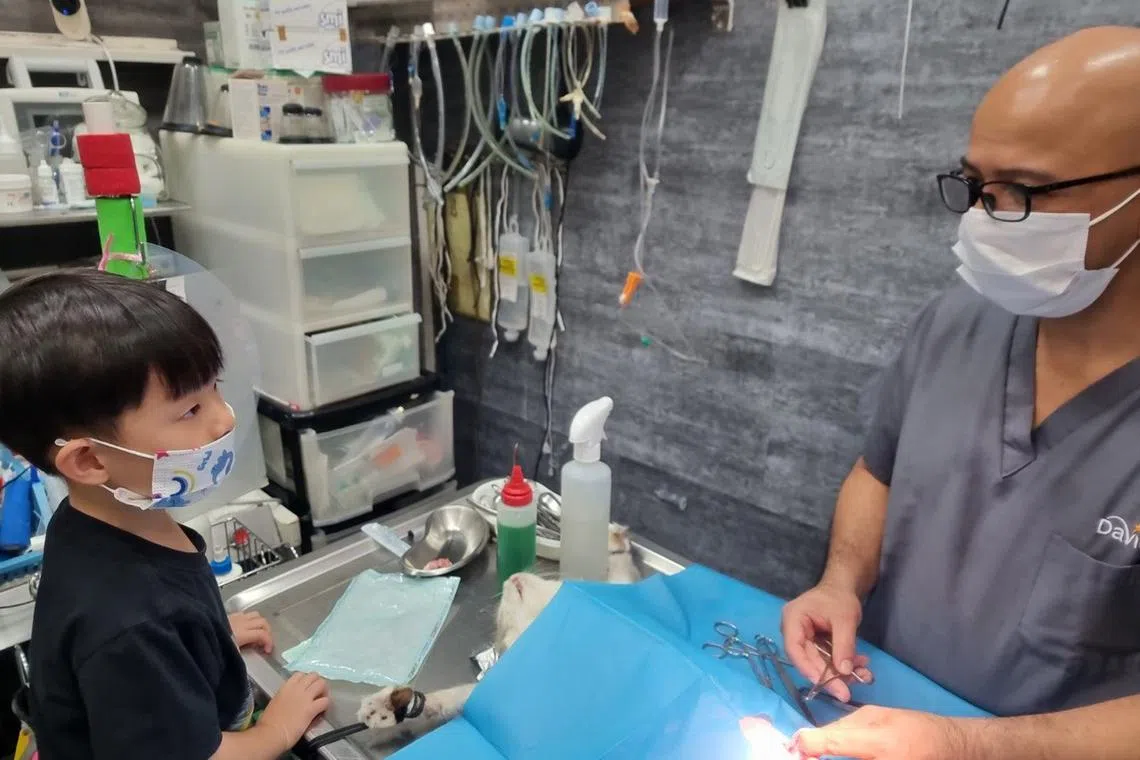
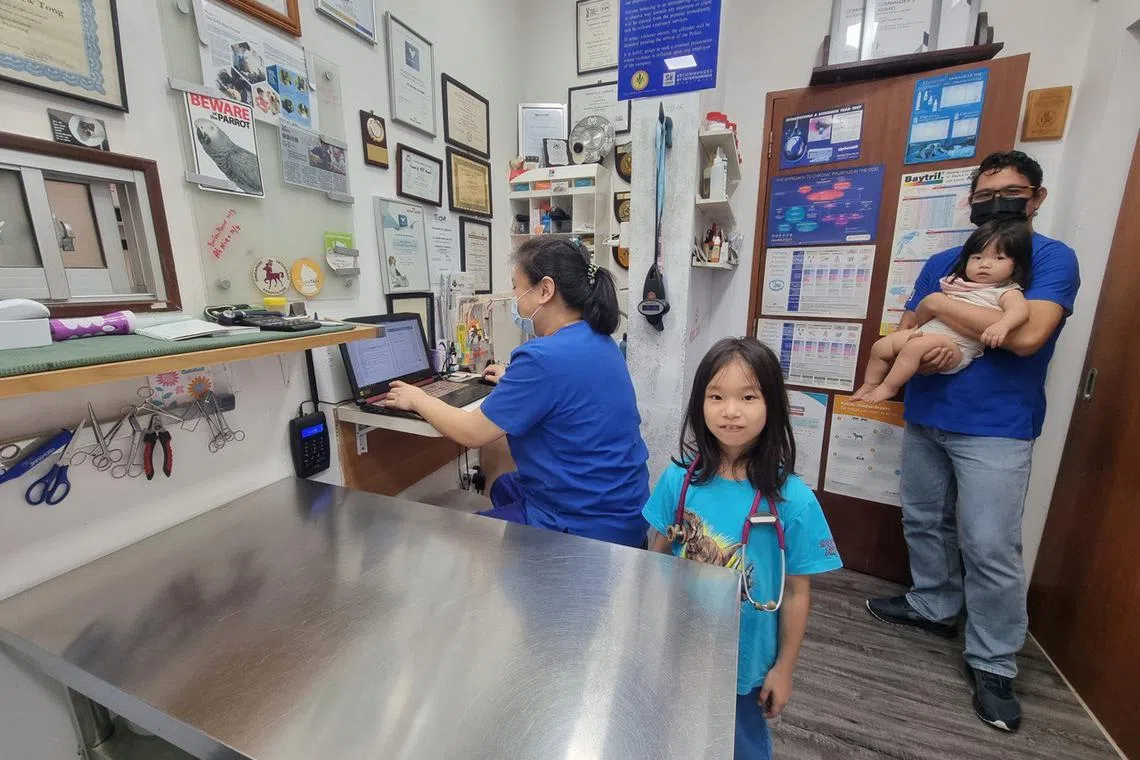
Also, every day is bring-your-child-to-work-day. Any day, any time. I believe in allowing this so the child can witness how their parents work, communicate, and behave professionally. Watching their parents at work – especially in a profession as dynamic and interactive as ours – demonstrates to a child the importance of a good work ethic, and also provides a wide range of learning opportunities.
It doesn’t stop there. Of course, we allow colleagues to switch days off among themselves and are flexible about staff coming in slightly late or leaving slightly earlier (as long as there are other colleagues to cover for their absence) if family exigencies require it.
We are open on weekends and public holidays, but we close our clinic at 2 pm on these days so my staff can spend the rest of the day with their families.
A company of 10 staff makes every person’s presence count

As AAVC has only 10 staff, every person counts (and contributes to 10 per cent of our clinic’s workforce, if you think about it) – if we were to exclude their days off, at any one time, we have six to seven staff on duty, making each staff account for 15 per cent of our workforce. So every person’s presence or absence is greatly felt by the clinic as a whole.
Nonetheless, our culture of acceptance, respect and empathy enables all our colleagues to cover for and help one another. We are all cross-trained to be deployed in various roles. You can have a vet being the receptionist, or an administrator assisting in a vet nurse or technician role. We also gave time to our staff to upgrade themselves to specialist diplomas in veterinary-related training so they can handle multiple roles – of course, this also comes with higher pay, them being of greater value to our company, and their own sense of achievement and satisfaction.
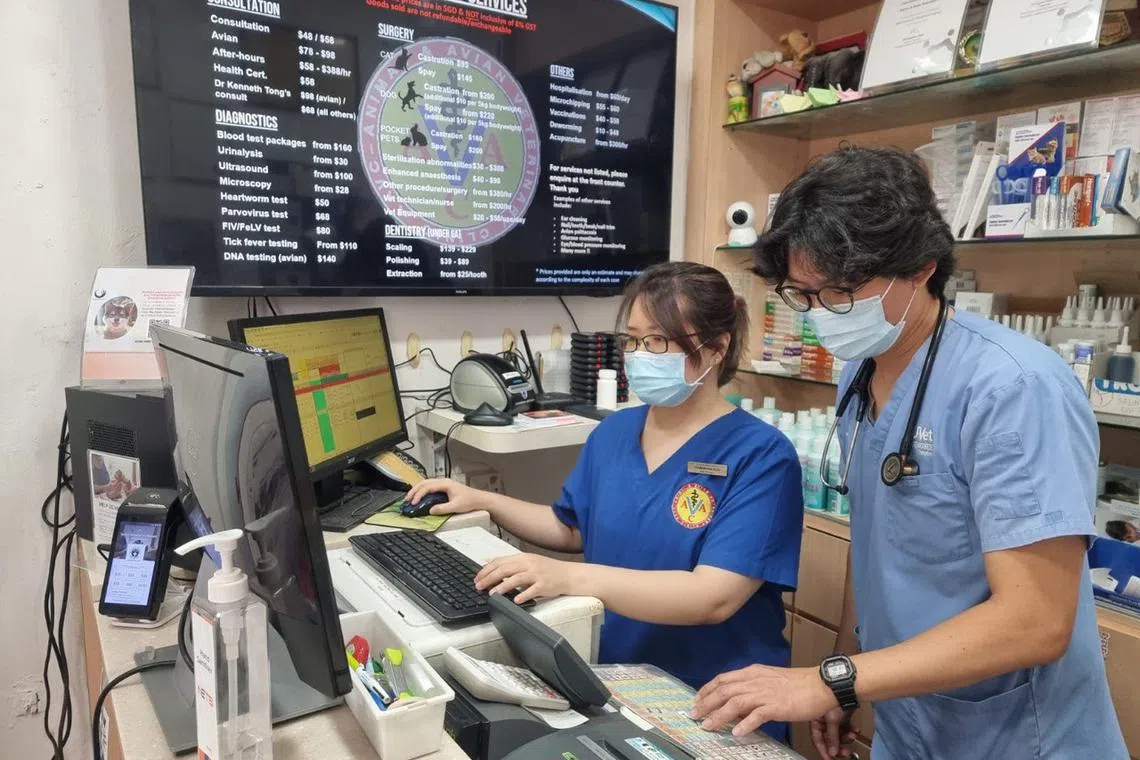
This team of multi-skilled personnel that works with a spirit of helping one another and of mutual compromise enables a company with low manpower ratio to attain such flexibility in covering for one another, cross-deployment, for the benefit of dads, mums, NSmen on reservist, SAFVC and Home Team Volunteers, those who want to upgrade themselves, or who simply need flexibility to work from home or go part-time.
This spirit doesn’t spring up overnight – it has to be carefully cultivated, and the leaders of a company have to make a concerted effort to build it over time while ensuring inclusivity.
I invest time in getting to know every one of my employees (locals, PRs, foreigners alike, all of whom are important to the success and stability of the clinic), their concerns and their family situations. It has been my long-held belief that no matter what type of family a person is from or has responsibility to, we can tailor our work schedules and needs to suit him or her. Of course, there is no one size that fits all, but from communication, mutual agreement, respect, empathy and acceptance, a “bespoke” arrangement can be found.
I also make it a point to engage my staff in regular one-to-one dialogue, seeking feedback from colleagues and maintaining an open-door policy with them. Our management also makes ourselves available and reachable to staff should they ever need assistance, whether it is with work or if their families need help when they themselves are unavailable.
Valuing my staff also means thinking about their mental health and wellness. Life, after all, isn’t all about work or money – it’s the multiple reasons behind our lives that make work and financial sustainability worthwhile and satisfying.
Optimising company operations to make things work

In thinking about and establishing my company’s policies and practices, a lot of what influenced my decisions in this regard stems from what I’ve seen and experienced in my own past jobs, as well as those of my parents.
Our management put together what we liked from previous jobs, as well as what we wanted changed, to create an overall better family experience for ourselves and our staff. We consulted with other employees who are parents, too, in forming policies that addressed their constraints and which would be the most supportive to their needs.
Families are fluid and dynamic, too, with needs changing from the time a couple is trying to conceive to their children going to school, our family-friendly policies have to evolve to suit these stages.
So we planned reduced work hours for everyone. We knew that hiring more people to achieve this goal wasn’t possible in view of the manpower constraints faced by all industries, so we explored productivity and efficiency measures like automation, further prioritising and reduction of non-essential and repetitive tasks.
We also imposed a strict cut-off registration time 30 minutes prior to closing to minimise overtime work.

With these steps, we operate with minimum manpower, and allow our staff to work a five-day work week, with space for people to take time off, urgent or planned leave, and end work on time too.
We also do allow staff to work from home (WFH) – what does this look like at a vet clinic, you might ask? Work that can be done from home includes the creation of invoices, accounting work, outdoor work such as farm visits and housecalls, ordering medicines and supplies, as well as doing teleconsultations. We allow one staff to WFH up to two days a week.
Of course, sacrifices have to be made
Quite a few of these decisions are not quite sensible from a business and profitability standpoint. Our choice of opening hours, for instance, when evenings, weekends and public holidays see much higher client traffic, is made consciously to prioritise staff welfare over greater profitability.
For the same reasons AAVC ceased after-hours emergency services, though that, of course, is another source of revenue. That being said, we do make exceptions for cases brought in by selected organisations as part of our efforts in corporate social responsibility.
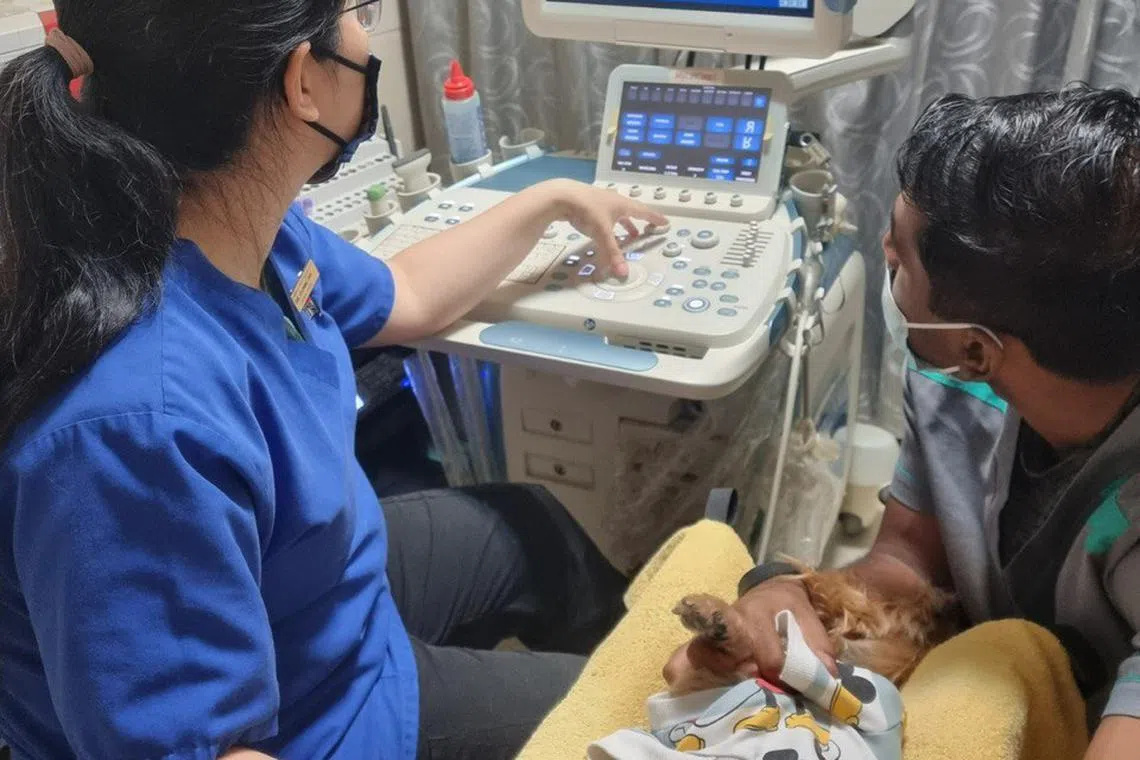
We certainly understand the trade-off this involves – future salary increments based on profitability take a hit, recruitment and/or expansion being paused, and our staff understand this too. So, we draw the line, not being afraid to decline business, and avoid the FOMO (fear of missing out) and FOLO (fear of losing out) mentality while embracing JOMO (the joy of missing out). But to me, at least, staff happiness, mental and physical health, and the value of time spent with families are all priceless.
We’ve found this a sensible balance between staff well-being and being accountable to our clients and pet patients’ needs. This is also why we commit to being open for them every day, and are only closed four days in each year.
Learning to let go, compromise and be flexible
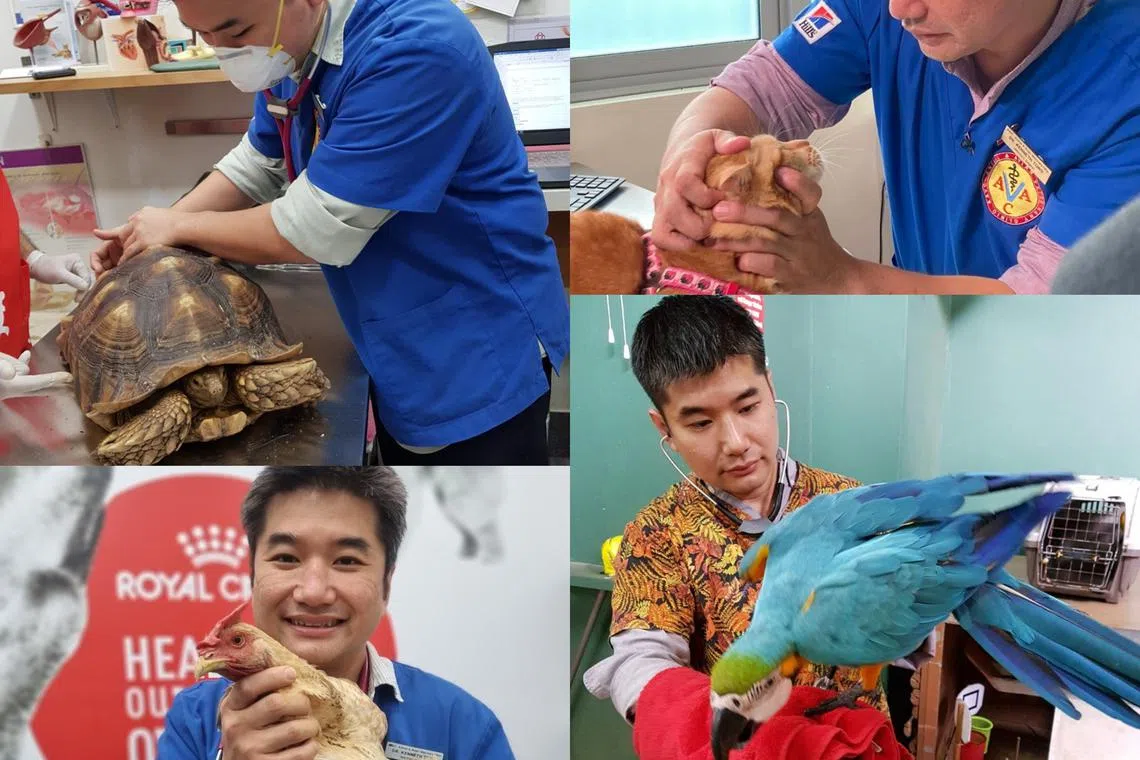
As an employer, I have learned not to be too rigid, to let go of things, to appreciate, to compromise and to be flexible. I found this makes a more pleasant and less tense work environment, and that happy employees make a more productive, enjoyable and efficient workforce. And most importantly, the clinic has become a place one can look forward to returning to the next day.
I see that my staff are happier, more rested, and less stressed, and I feel happy that as an employer, I can do my part to provide the “every little bit” that helps my staff find a better balance between work and family.
There is always room for us to find out-of-the-box solutions to better support our staff while still achieving our business objectives. We don’t have to trudge with the industry trend or practice – if we really want to, we can forge a new one.