As ties to China turn toxic, even Chinese companies are breaking them
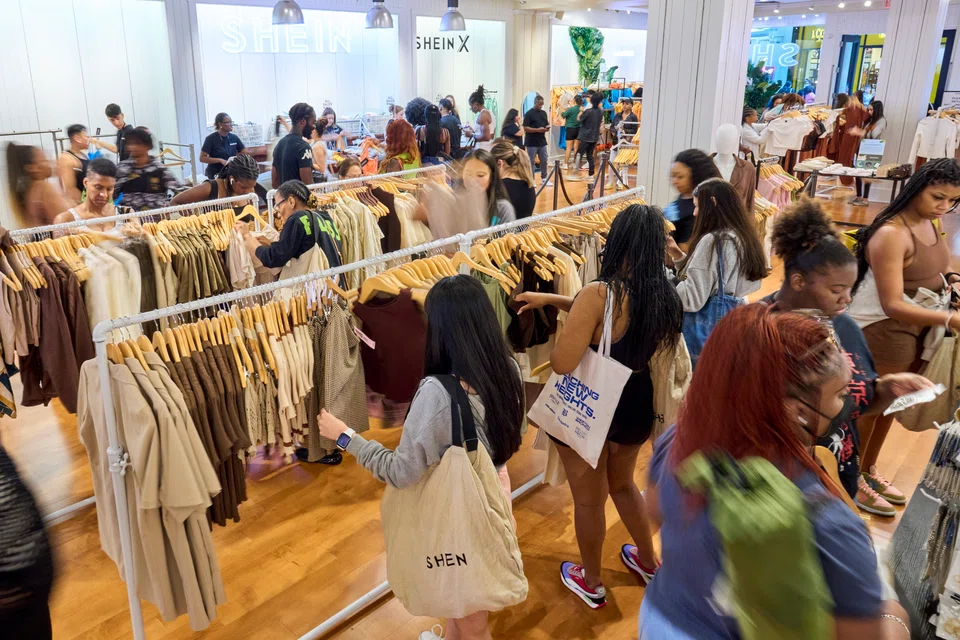
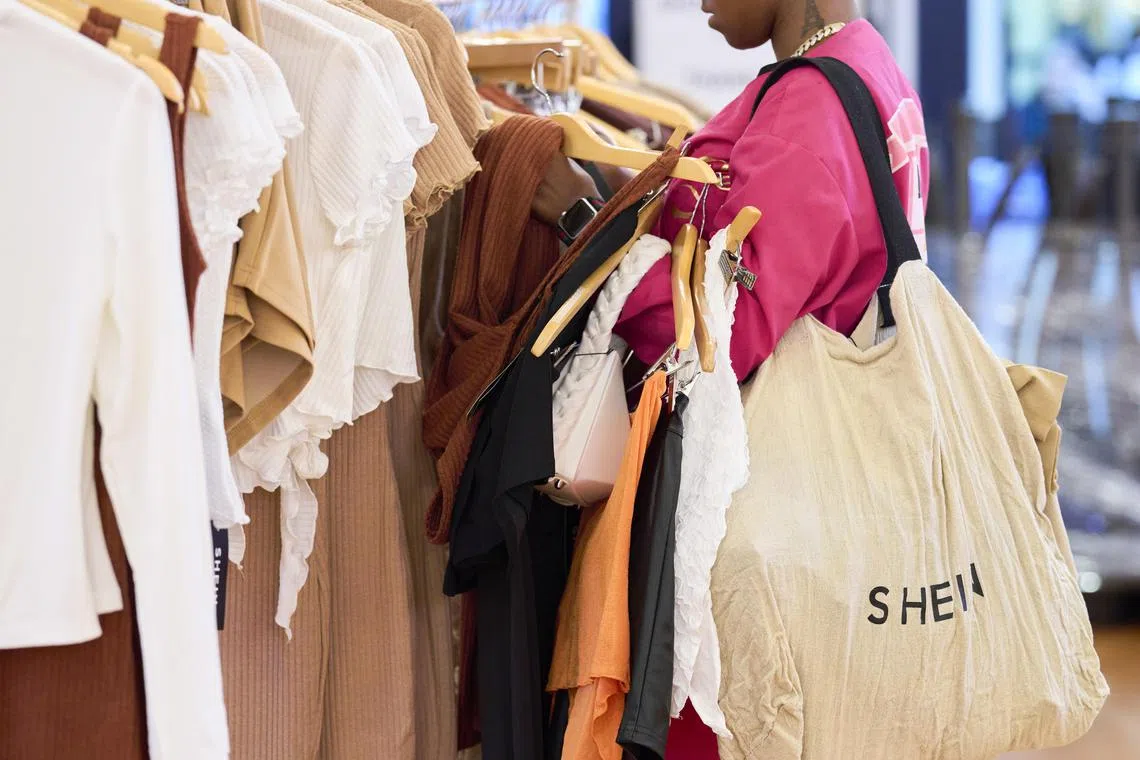
AS IT expanded internationally, Shein, the rapidly growing fast fashion app, progressively cut ties to its home country, China. It moved its headquarters to Singapore and deregistered its original company in Nanjing. It set up operations in Ireland and Indiana, and hired Washington lobbyists to highlight its US expansion plans as it prepares for a potential initial public offering (IPO) this year.
Yet the clothing retailer can’t shake the focus on its ties with China. Along with other brands including the viral social app TikTok and shopping app Temu, Shein has become a target of US lawmakers in both parties. Politicians are accusing the company of making its clothes with fabric made with forced labour and calling it a tool of the Chinese Communist Party – claims that Shein denies.
“No one should be fooled by Shein’s efforts to cover its tracks,” Senator Marco Rubio, Republican-Florida, wrote in a letter to other lawmakers this month.
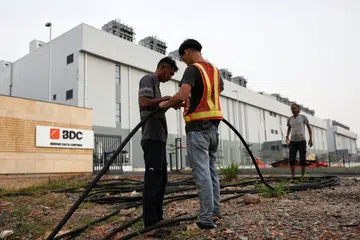
As relations between the United States and China turn increasingly rocky, some of China’s most entrepreneurial brands have taken steps to distance themselves from their home country. They have set up new factories and headquarters outside China to serve the US and other foreign markets, emphasised their foreign ties and scrubbed any mention of “China” from their corporate websites.
TikTok has set up headquarters in Los Angeles and Singapore, and invested in new US operations that it says will wall off its US user data from its parent company, ByteDance. Temu has established a headquarters in Boston, and its parent company, PDD Holdings, has moved its headquarters from China to Ireland.
Chinese solar companies have set up factories outside China to avoid US tariffs on solar panels from China and limit their exposure to Xinjiang, a region that the US now bars imports from because of its use of forced labour.
JinkoSolar, a behemoth that produces one in 10 solar modules installed globally, has set up a supply chain entirely outside China to make goods for the US.
Shein said in a statement that it was “a multinational company with diversified operations around the world and customers in 150 markets, and we make all business decisions with that in mind”. The company said that it had zero tolerance for forced labour, did not source cotton from Xinjiang and fully complied with all US tax and trade laws.
A spokesperson for TikTok said that the Chinese Communist Party had neither direct nor indirect control of ByteDance or TikTok, and that ByteDance was a private, global company with offices around the world.
SEE ALSO


“Roughly 60 per cent of ByteDance is owned by global institutional investors such as BlackRock and General Atlantic, and its CEO resides in Singapore,” said Brooke Oberwetter, a spokesperson.
Temu did not respond to requests for comment.
Analysts said that companies were being driven out of China by a variety of motivations, including better access to foreign customers and an escape from the risk of a crackdown by the Chinese authorities.
Some companies have more practical concerns, such as reducing their costs for labour and shipping, lowering their tax bills or shedding the shoddy reputation that American buyers continue to associate with goods made in China, said Shay Luo, a principal at the consulting firm Kearney who studies supply chains.
But a wave of tougher restrictions in the US on doing business with China appears to be having an effect, too.
Research by Altana, a supply chain technology company, shows that since 2016, new regulations, customs enforcement actions and trade policies that hurt Chinese exports to the US were followed by “adaptive behaviour”, such as setting up new subsidiaries outside China, said Evan Smith, the company’s CEO.
For Chinese companies, going global is not a new phenomenon. The Chinese government initiated a “go out” policy at the turn of the century to encourage state-owned enterprises to invest abroad to gain overseas markets, natural resources and technology.
Private companies including electronics firm Lenovo, appliance maker Haier and e-commerce giant Alibaba soon followed, seeking investment targets and new customers.
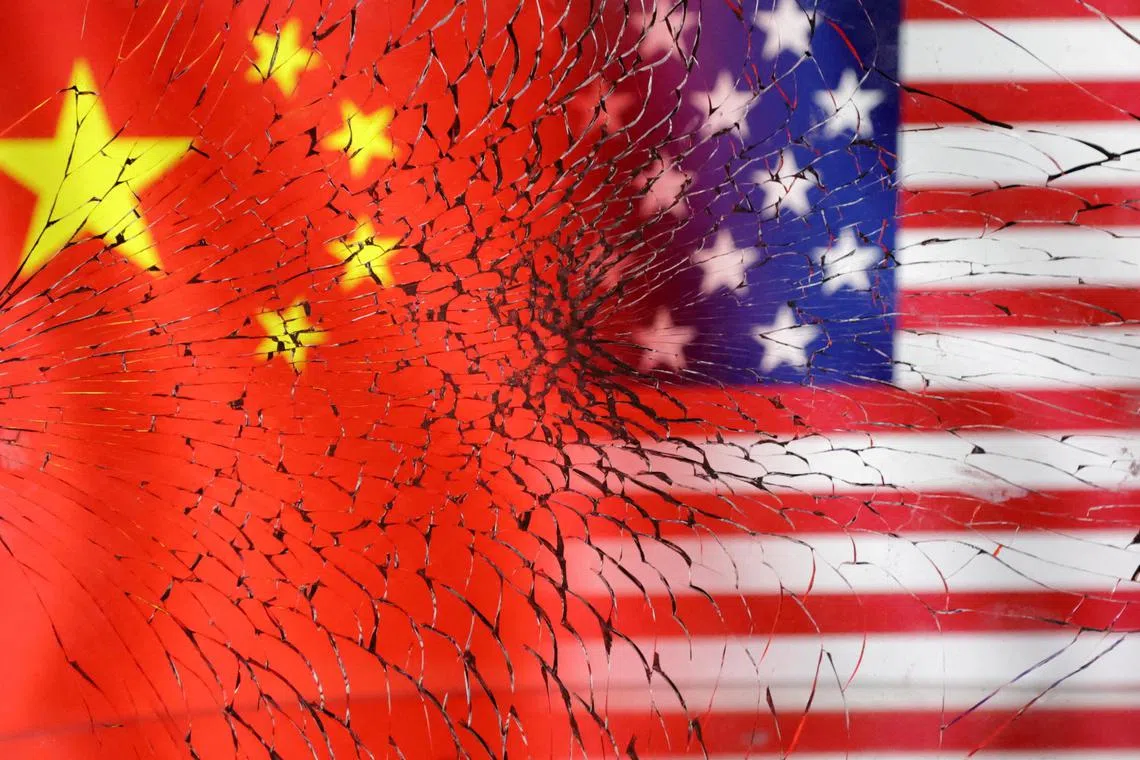
As tensions between the US and China have risen in recent years, investment flows between the countries have slowed. US tariffs on Chinese goods put in place by President Donald Trump and maintained by President Joe Biden encouraged companies to move manufacturing from China to countries such as Vietnam, Cambodia and Mexico. The pandemic, which halted factories in China and raised costs for moving goods across the ocean, accelerated the trend.
International companies are now increasingly adopting a “China plus one” model of securing an additional source of goods in another country in case of supply interruptions in China. Chinese companies, too, are following this practice, Luo said.
In the 12 months that ended in April, the share of imports to the US from China reached its lowest level since 2006.
“It is definitely a rational strategy for these companies to offshore, to move manufacturing or their headquarters to a third country,” said Roselyn Hsueh, an associate professor of political science at Temple University.
In addition to tariffs and the ban on products from the Xinjiang region, the US has imposed new restrictions on trade in technology and tougher security reviews for Chinese investments.
The Chinese government, too, is clamping down on the transfer of data and currency outside the country, and it has squashed some Chinese companies’ efforts to list their stocks on US exchanges because of such concerns.
Beijing has detained and harassed top tech executives, and foreign consulting firms. And its draconian lockdowns during the pandemic made clear to businesses that they operate in China at the mercy of the government.
“Companies like Shein and TikTok move overseas both to reduce their US regulatory and reputational risk, but also to reduce the likelihood that their founders and staff get intimidated or arrested by Chinese officials,” said Isaac Stone Fish, the CEO of Strategy Risks, a consultant on corporate exposure to China.
But companies such as Shein and Temu still source nearly all of their products from China, and it’s not clear that the changes the Chinese companies are making to their businesses have done much to lower the heat.
The opposition to these companies in Washington is being fueled by an incendiary combination of legitimate concerns over national security and forced labour, and the political appeal of appearing tough on China. It also appears to be driven by the opposition of certain competitors to these services, which are now some of the most downloaded apps in the US.
In March, a group called Shut Down Shein sprang up to pressure Congress to crack down on the retailer. The group, which has hired five lobbyists with the firm Actum, declined to disclose who is funding its campaign.
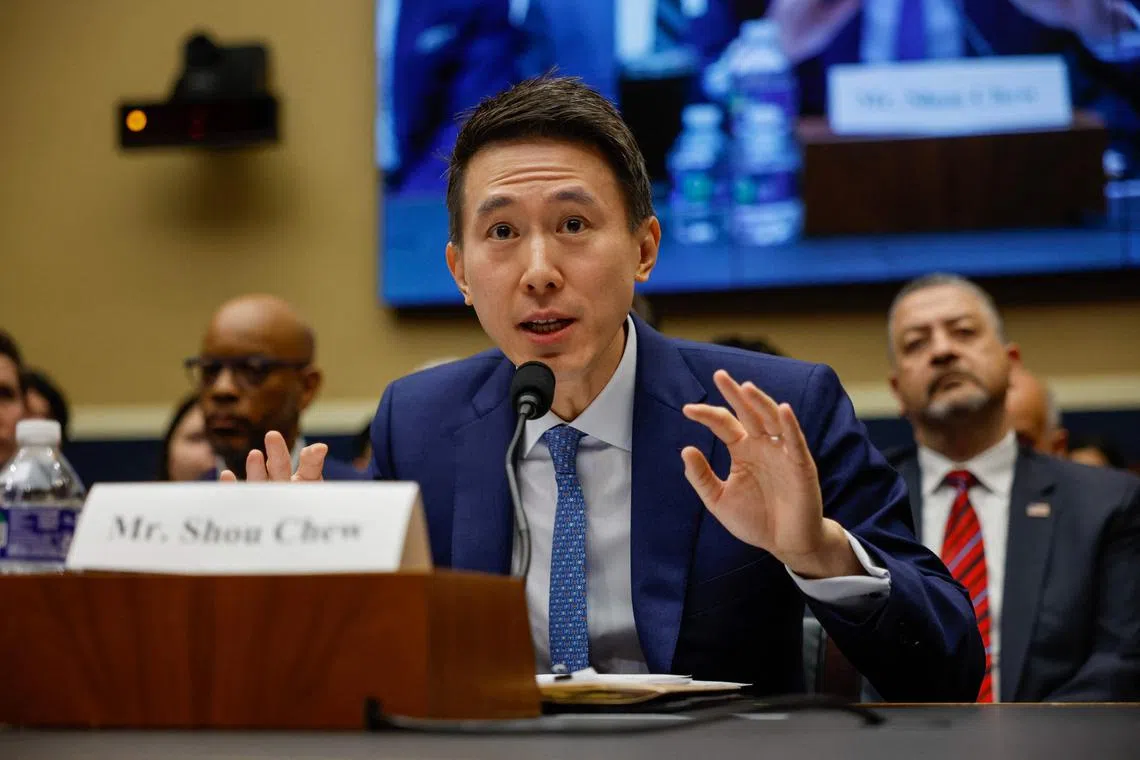
In a five-hour hearing in March, lawmakers grilled TikTok’s CEO over whether it would make US user data available to the Chinese government, or censor the information broadcast to young Americans. Legislation is being considered that could permanently ban the app.
Some lawmakers are arguing that JinkoSolar’s US-made panels should not be eligible for government tax credits, and, for reasons that have not yet been disclosed, the company’s Florida factory was raided by customs officials last month.
State governments, which have often been more welcoming to Chinese investment, are also growing more hostile. In January, Governor Glenn Youngkin, Republican-Virginia, blocked a deal for Ford Motor to set up a factory using technology from a Chinese battery maker, Contemporary Amperex Technology, calling it a “Trojan-horse relationship”.
A House committee set up to examine economic and security competition with China is investigating the ties that Temu and Shein have with forced labour in China, and lawmakers are calling for Shein to be audited before its IPO.
An investigation by Bloomberg in November found that some of Shein’s clothes were made with cotton grown in Xinjiang. In a statement, Shein said that it had “built a four-step approach to ensure compliance” with the law, including a “code of conduct, independent audits, robust tracing technology and third-party testing”. NYTIMES
Decoding Asia newsletter: your guide to navigating Asia in a new global order. Sign up here to get Decoding Asia newsletter. Delivered to your inbox. Free.
Share with us your feedback on BT's products and services