

What’s stopping some Singapore companies from allowing employees to work from home?
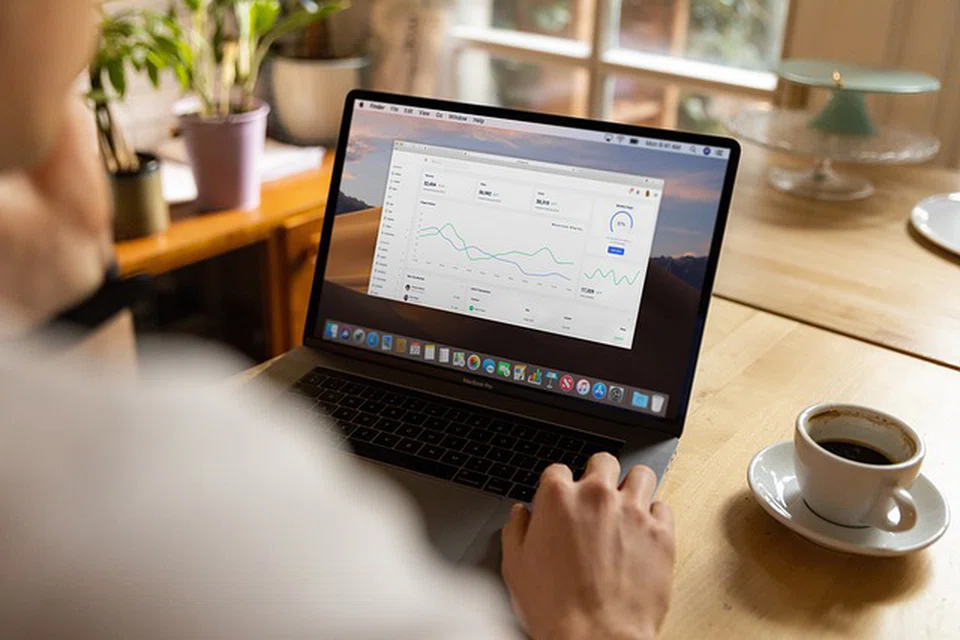
WHEN assurance firm Audit Alliance implemented remote working arrangements for the first time during the Covid-19 pandemic, chief executive Bernard Lee was shocked to find his Pakistan-based employees moonlighting.
“One time, we asked them to turn on their cameras during a Zoom meeting. We saw that they were working in other people’s offices. Sometimes, there was even another company’s logo behind them,” he told The Business Times (BT).
This was one of the reasons the company decided to mandate a fully work-from-office policy for all employees – including those in Singapore.
Audit Alliance is not alone. In conversations with BT, several employers voiced similar sentiments. Here are some of the reasons provided:
1) Fairness
At recycling specialist BR Metals, workers in the logistics and warehousing teams have no choice but to show up physically because their roles demand it.
Chief executive Frank Chen said the company handles between five and 20 tonnes of scrap material from ports and airports daily.
He makes his employees in human resources, administration, marketing, and accounting work fully from the office too, though, in a bid to “inculcate a sense of fairness and camaraderie with those who have to come to work because of their role”.
2) Communication
“Having face-to-face interaction and the immediacy of communications allow faster reaction time and faster communications,” said Ang Yuit, vice-president of the Association of Small and Medium Enterprises (Asme). “From the office, there is better communication between co-workers.”
For Vick Aggarwala, CEO of local tech equipment distributor Supreme Components, fast communication is crucial at his company in order for it to “remain ahead of the curve in the industry”.
3) Teamwork
According to Audit Alliance’s Lee, “audit work is a team exercise and relies on good team work”.
“For example, the audit staff member who works in the revenue section needs to work closely with his audit teammate who works in the accounts receivable section,” he said.
4) Productivity
Lee said his company faced a drop in productivity under mandated work-from-home arrangements during the pandemic. He wound up hiring more staff to make up for the shortfall.
“For a one-person job, we needed to recruit three people,” he said. Head count eventually trebled to 90, from a pre-pandemic staff strength of 30.
Ang of Asme said small and medium-sized enterprises (SMEs) generally have manpower constraints, which can make implementing flexible working arrangements (FWAs) more challenging.
“Overall, HR policies are less developed and SMEs are also tighter in terms of manpower in general,” he said.
“At the moment, working fully from the office is our default working arrangement as we run a very lean organisation,” said BR Metals’ Chen. “Each employee plays a specific role to ensure the company’s processes work.”
5) Camaraderie
Janice Lim, CEO of electronics component distributor Wiselink, believes that seeing colleagues in person fosters better camaraderie.
“Being in the office allows employees to connect with the people they work with. The conversations at work are hugely valuable considering that new ideas, collaboration opportunities and knowledge sharing occur,” she said.
Having everyone physically present at the office also makes it easier for new hires to seek help with their work, said Audit Alliance’s Lee.
“When a junior staff member works from the office, they have more than one audit senior they can approach to consult and seek guidance. If the junior staff works from home, he can only consult one: his direct superior,” he said.
A ‘national imperative’
Can CEOs and managers of companies without work-from-home arrangements be convinced to change their policies?
Initiatives are under way to convince more companies of the importance of FWAs. At a dialogue last month, Minister in the Prime Minister’s Office Indranee Rajah described FWAs as “a national imperative”.
Companies offering such arrangements would be more attractive to workers, she said. Families would also be less stressed, “and hopefully then more willing to have children – meaning that we will be able to increase the numbers of Singaporeans”, she added.
New guidelines for FWAs will be released next year by the Tripartite Alliance for Fair and Progressive Employment Practices that will require companies to “evaluate flexible work arrangement requests by the employees fairly”.
Employers nevertheless have the prerogative to accept or reject their employees’ FWA requests, noted Minister of State for Manpower Gan Siow Huang at a Committee of Supply debate in March.
“Implementing FWAs in a rigid manner before employers are ready risks creating a more acrimonious workplace culture and affecting workplace productivity, which ultimately hurts employers and employees,” she said. “In jurisdictions with FWA legislation, employers can still reject requests that are not practicable for the business.”
This definition of FWAs encompasses more than working from home, though. It also includes remote working, part-time work, staggered work hours, job sharing and flexible shift scheduling.
So, employees should probably show flexibility and meet their employers somewhere in the middle.
BR Metals is taking steps to embrace hybrid working arrangements, starting with its HR, admin, marketing and finance roles.
“For colleagues who have to work from home, we will make special arrangements with them; but it’s only for a limited time,” Chen said. “This, however, will change in the near future as we continue to improve our operations and automate some of our processes.”
TRENDING NOW

Analysts cut DBS target price on lower 2027 earnings, but see buying opportunity after share price slide
Waymo founder predicts ‘landslide’ robotaxi adoption in Singapore, driven by high car costs

The limits of China’s trade concessions to Europe

Nvidia CEO Jensen Huang drops from world’s top 10 richest after chips sell-off

