

Why technology holds the key to improving healthcare workforce experiences
Partnerships among players in the ecosystem are needed to ensure the best outcomes
LONG hours, high patient volumes and the demanding nature of the healthcare profession are taking an emotional and physical toll on our healthcare workers.
Lacking rest and respite, exhausted staff may find it difficult to focus and deliver the appropriate care.
These burdens mean the healthcare industry also struggles with high turnover rates and absenteeism. The consequences of burnout can also have greater implications.
The encouraging news is healthcare institutions across the Asia-Pacific are actively preparing for these challenges, and technology has the potential to be the silver bullet.
According to our Philips Future Health Index (FHI) 2023 report, 67 per cent of Apac’s healthcare leaders say they already use, or plan to use, digital health technology to reduce the impact of healthcare workforce shortages.
Tapping technology to lift some of the workload, especially administrative tasks that can be automated, frees up time for healthcare staff to focus on what matters most: patient care.
Examples of technologies that healthcare leaders in Apac are investing in, based on the FHI report, include:
- Cloud-based technology to support access to information from any location – 44 per cent.
- Technology solutions that connect with out-of-hospital settings – 37 per cent.
- Workflow technology such as digital health records and patient flow automation – 35 per cent.
Additionally, there is growing interest in leveraging artificial intelligence (AI) to predict outcomes and for clinical decision support.
In addition to providing support to staff – which can help with staff retention – digital technologies can also help to attract talent.
According to our survey, a healthcare facility being at the forefront of AI is the top consideration for younger healthcare professionals when it comes to selecting where to work.
One possible reason: Respondents expect tech-driven healthcare solutions to offer staff greater work-life balance (58 per cent) and contribute to greater work satisfaction (56 per cent).
Technology can assist healthcare professionals in many ways.
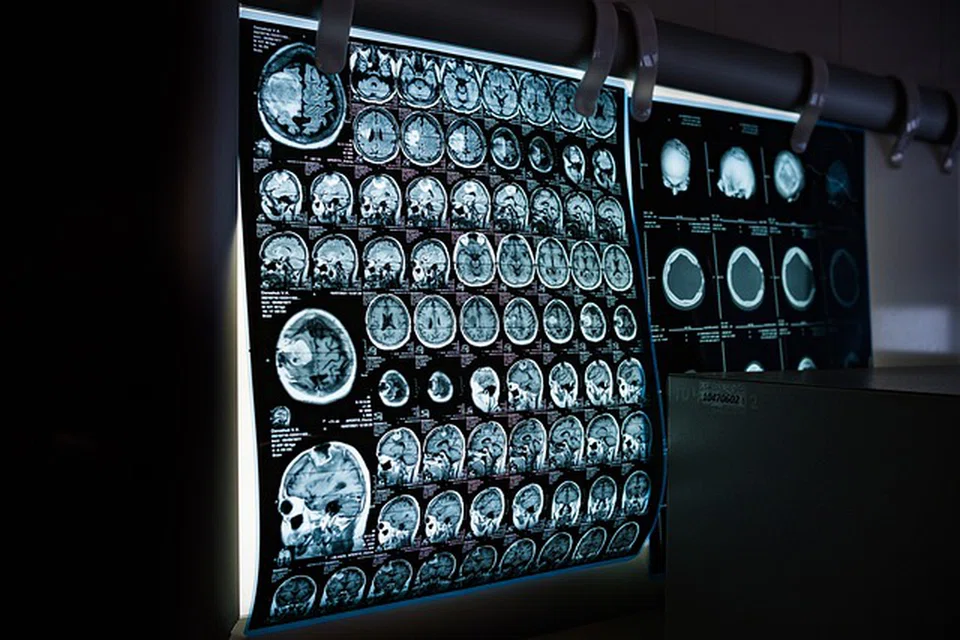
Within the field of diagnostic imaging, for example, the integration of AI into computed tomography (CT) systems enables the streamlining of the most time-consuming tasks for radiographers – who can then allocate more time to focus on patient care.
AI-based reconstruction can provide high-quality images essential for radiologists to achieve precise diagnoses.
AI can also simplify the complexities of cardiac ultrasound by employing comprehensive 3D quantification and modelling of the heart, coupled with automated measurements.
This helps sonographers in acquiring and analysing images accurately, empowering clinicians to deliver enhanced and efficient cardiac care.
It has therefore been encouraging to see healthcare leaders placing greater emphasis on leveraging digital technologies, including AI, to improve their work efficiencies.
According to the FHI report, 74 per cent of Apac healthcare leaders are planning to invest in AI in the next three years.
The highest acceptance rate was in Singapore (84 per cent), followed by Indonesia (76 per cent) and Australia (63 per cent).
Another trend in healthcare technology involves the usage of virtual collaboration to address challenges posed by shortages in staff and expertise.
Growth in this area has the added advantage of enhancing healthcare access in remote and rural areas, where there is often a scarcity of specialised staff.
The ongoing adoption of radiology operations command centres facilitates virtual over-the-shoulder support, enabling expert imaging technologists to assist their less-experienced or less-specialised colleagues whose patients may be undergoing a diagnostic scan procedure at a distant location.
Similarly, real-time virtual collaboration in ultrasound extends the reach of specialist care. Physicians can communicate remotely with their team and patients, whether they are located in a hospital, clinic or a remote satellite office.
In both cases, virtual collaboration can help make expertise more widely available to achieve the same standard of care throughout a health system.
With a growing ageing healthcare workforce, such virtual collaboration models are creating new career paths for older and experienced healthcare professionals. They can remotely mentor and guide their younger peers, preserving valuable knowledge and expertise.
One virtual collaboration model Philips has been involved in was a remote intensive care unit monitoring programme implemented by the Emory Healthcare network in Georgia, US.
Emory Healthcare improved its clinician productivity and patient outcomes by tapping into support from clinicians situated in a different time zone – at the Royal Perth Hospital in Western Australia – to monitor patients and advise on treatment.
The transfer of patient data between Emory Healthcare and the Royal Perth Hospital allowed patients based in the United States to receive continuous care around the clock.
Predictive analytics is another promising trend in healthcare technology, enhancing efficiencies and enabling healthcare providers to take proactive measures backed by operational and clinical insights from real-time and historical data.
Analytics already assist healthcare providers in forecasting and managing patient flow, allowing them to strategically allocate staff and resources to areas where they are most required.
Such capabilities proved vital during the Covid-19 pandemic, and are now becoming an integral component of data-driven operations.
Through continual monitoring of medical equipment, such as magnetic resonance imaging scanners, predictive analytics helps identify when certain hardware components may require maintenance or replacement – averting unnecessary disruptions.
While technology can improve the work experiences of healthcare professionals and is indispensable to high-quality healthcare, partnerships among players in the healthcare ecosystem are needed to ensure the best outcomes.
Continual education and training for healthcare workers in the use of new technologies and solutions are key in ensuring the successful adoption of digital technologies.
Among Apac healthcare leaders, 29 per cent pinpointed data interpretation skills and staff willingness to adopt new technologies as success factors in the rollouts of new delivery models.
Workforce shortages, mounting workloads and economic pressures are challenging healthcare providers worldwide to improve operational efficiencies and innovate care delivery models.
Given the issues of limited manpower and the growing care needs of Apac’s ageing population, realising the full potential of healthcare digital transformation is key to relieving the industry’s workforce challenges in the region.
The writer is managing director of Philips Apac
TRENDING NOW

If Europe goes to war, the fallout will be felt in East Asia

Keppel posts 20% rise in Q3 net profit; New Keppel earnings up 15%

CICT Q3 NPI rises 13.8% to S$334.9 million on contributions from Paragon and other acquisitions
Stocks to watch: Keppel, CICT, MLT, Golden-Agri, Wilmar, CDLHT, FEHT, UltraGreen.ai

