
Is Singapore’s workforce ready to embrace its global ambitions?
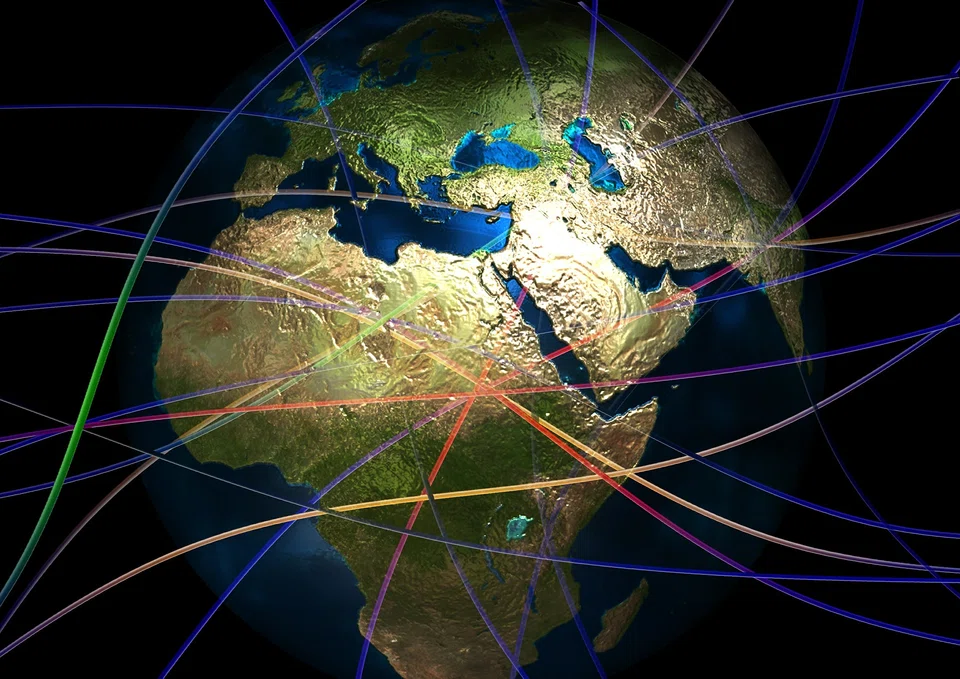
WHEN it comes to work trends, Singapore often finds itself at the crossroads of tradition and transformation. What began as the need to keep pace with the evolving world has now led to a digitally advanced nation, positioning Singapore as a progenitor of globalisation.
With a widening lens on the global stage, today’s workers are embracing a more interconnected world view. In this paradigm shift, a new generation has emerged as a beacon of change – one that is digitally savvy, disruption-ready and globally connected.
Traditional pathways to international opportunities have morphed into a landscape where building personal brands on platforms such as LinkedIn have opened doors to a global talent pool. Likewise, business models have evolved, democratising opportunities and levelling the playing field for talents irrespective of age, ability, background or location.
For example, young graduates may have once looked at moving abroad as their only opportunity for global exposure. Now, by virtue of evolving business models, they can use their proficiencies and connect with global companies from anywhere at any time.
Globalization Partners’ Global Growth Report echoes this sentiment, revealing an overwhelming 93 per cent of Singaporean employees are keen to work for global companies, surpassing the global average of 79 per cent. The respondents are drawn to better pay and benefits, prospects of international exposure and the freedom to work or travel abroad.
Despite the enthusiasm, there are also concerns about salary transparency, navigating work across time zones and growth opportunities. This dilemma begs the question – when it comes to pursuing global ambitions, can Singaporeans have it all?
Laying the foundation for success
As Singaporeans navigate this transformative landscape, both employers and employees grapple with the challenges and opportunities of a globalised workforce.
There are several areas in which companies and talent can work better together.
1) Values alignment
In today’s workplace, it’s important that employers and employees have values that align with each other. A truly global company respects individuals’ time across countries and establishes clear boundaries when working with teams in different regions. For instance, teams in the Asia-Pacific often find themselves having to join meetings at inhospitable hours to connect with their European and American counterparts, but this should no longer be taken for granted.
To succeed in working across time zones, there should be an equitable distribution of requests for participation in things such as global calls, ensuring that no employee is unduly burdened or required to go above and beyond the normal meeting structures.
2) The prioritisation of empathy
Organisations that do this build trust and loyalty among their leaders and teams – no matter where they are located. In global scenarios with meetings and projects spanning various time zones, for instance, organisations can encourage employees to record a meeting and digest the content during more reasonable hours and go back to other teams with any questions or concerns. Empathetic leadership that is promoted from the organisational level fosters a sense of belonging and trust and helps address employees’ individual needs and concerns, leading to overall increased job satisfaction.
3) Technology as an advantage
Whether it was the launch of personal computers, or the Internet or smartphones or AI, new technologies can often evoke a sense of fear and uncertainty. The Global Growth Report uncovered that about three in four (77 per cent) Singaporeans express reluctance to using AI at work, but acknowledge it can be beneficial in several ways, such as understanding and complying with new laws and regulations. Despite the Luddite fallacy, Singapore demonstrates a unique inclination to adopt technology rapidly, outpacing many neighbouring nations due to frequent exposure and the swift pace of digital advancement. Therefore, overcoming initial hesitancy is vital for ensuring a smooth and efficient work experience in global companies.
4) Clear communication
In Asia, we tend to be very reserved when expressing personal preferences or desires. To truly embrace and enjoy being part of a global organisation, however, it is important not to assume, and to ask questions. Clear and frequent communication helps prevent misunderstandings, ensures alignment on priorities and goals, and promotes transparency, trust and a more cohesive organisational culture.
Human skills continue to thrive in a global workforce
Along with extensive investments in digital training for the workforce in Singapore, a key differentiator that sets individuals apart in any work environment, particularly those with global ambitions, is their ability to embrace and demonstrate their humanity. In an increasingly technology-led world, exceptional soft skills, including in-person networking, critical thinking and problem-solving are increasingly valuable.
Businesses are starting to realise that the global talent pool is very important for the future. The sooner Singaporeans embrace their role in shaping this future, the more successful we will be in cultivating and supporting a workforce of global citizens.
The writer is Asia Pacific general manager at Globalization Partners



