

Wall Street shoeshiners embrace cleaning sneakers to survive
 Add BT as a preferred source
ROMAN Shoe Repair of New York opened its Wall Street shop on one Friday morning at 7 am, like it has every weekday since 1998. Three hours later, it greeted its first client.
The centuries-old trade is struggling following a shift towards comfort at the office. Wall Street and other firms started loosening dress codes prior to the pandemic, but the trend accelerated after years of people working from home in their slippers and sweats.
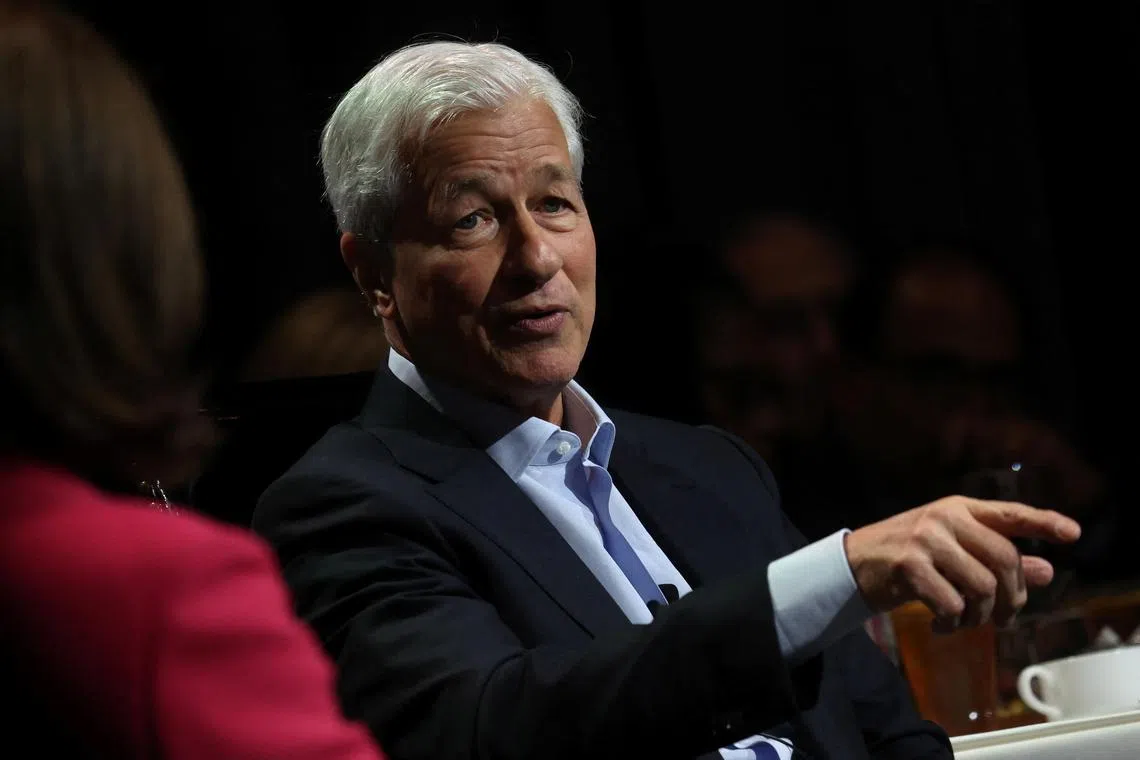
Even JPMorgan Chase & Co’s chief executive officer Jamie Dimon wears work sneakers (he likes a pair of black Common Projects) and casual attire had made its way to the US Senate.
To adapt, some shoeshine shops are offering sneaker-cleaning services.
“The industry isn’t the same anymore” said Charlie Colletti, owner of Cobbler Express, a third-generation shoeshine and repair shop in Lower Manhattan. “We’ll do some sneaker work, we clean sneakers, you know, try to keep up with the times.”
Sneaker-cleaning services helped Anthony’s Shoe Repair, near Grand Central Terminal, survive the pandemic. Like shining dress shoes, it is a specialised service. “Many people do not know how to clean them,” owner Teodoro Morocho said. “You need the right equipment and material to be able to do it well.”
Search interest for office sneakers increased 181 per cent since January of 2021, and athletic shoemakers are targeting office workers with more casual options that are suitable for the office.
Part of Allbirds’s pitch for its everyday shoe collection is comfort for “logging some hours at your desk”, while Nike is also suggesting ditching clunky boots or pointy heels for more comfortable footwear.
The trend towards sneakers comes as workers going to the office in the New York metro area has returned to about half of pre-Covid 19 levels.
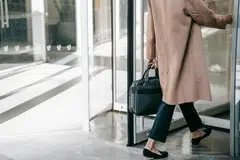
“If I stay in the hallway and I look at people pass by, from every 10 people that go by, eight of them have sneakers on,” Colletti said. “It’s changed a lot. Wall Street is not Wall Street anymore, so you’re seeing less people coming in for a shoeshine.”
Rising costs have also hit shoeshiners. The price of a shine rose to US$10 this year from US$5 at Anthony’s Shoe Repair as inflation stoked labour costs and materials such as leather and shoe polish in recent years. But they are still struggling. “It’s not like before, it will never be like before” Morocho added.
Edisson’s Shoe Repair, 10 blocks north of Anthony’s Shoe Repair, also offers sneaker-cleaning services – but diversifying into sneakers has not been enough for some businesses. Shoeshiners are shuttering locations and cutting staff.
Arnold Shoe Repair, located a short two-minute walk from Morocho’s store, permanently closed early this year and Edisson’s Shoe Repair closed three shops after the pandemic. Colletti used to have 16 employees, now it is him and two others, one part-time.
“We were so busy,” Colletti explained. “Back in the 1990s, I had a contract with the Merrill Lynch,” he said, adding that he “made a lot of money”.
Some shoeshiners said that the craft is at risk of extinction as fewer young people enter the field.
“They don’t want to learn this art,” Morocho noted. “I imagine in about 20 years, it’s going to be difficult to find people who work, who are interested in doing it.”
Decoding Asia newsletter: your guide to navigating Asia in a new global order. Sign up here to get Decoding Asia newsletter. Delivered to your inbox. Free.
Share with us your feedback on BT's products and services
TRENDING NOW

Profit with purpose: Kim Choo Kueh Chang’s pivot from public listing to protecting heritage

Singapore Kitchen CEO, senior manager charged with alleged fraud, falsifying accounts; both to stay in jobs for now
Yeo’s, Tiger Beer and now Gardenia – flight of food manufacturing from Singapore might be just as planned

Should you sacrifice some CPF Life income in favour of ILPs? Tread carefully

