

Workers exposed to extreme heat have few protections
As the mercury rises across the US, low-wage earners are especially afflicted
 Add BT as a preferred source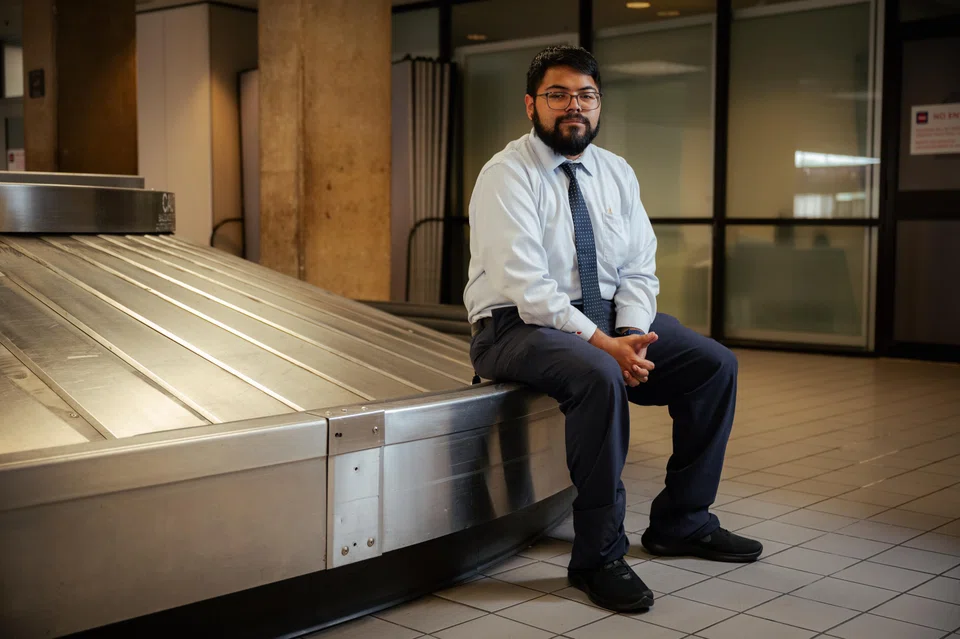
DeeperDive is a beta AI feature. Refer to full articles for the facts.
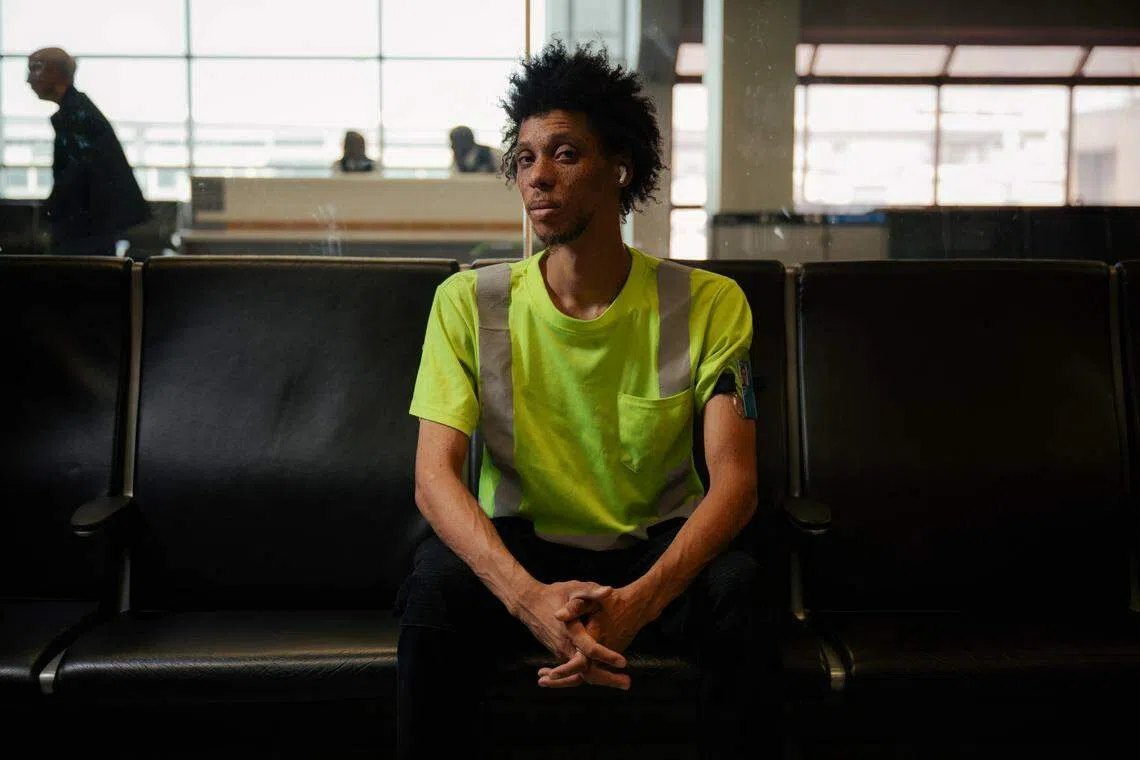
ANTHONY Soto, a 22-year-old baggage-claim employee at Dallas-Fort Worth International Airport (DFW), crumpled to the floor near gate C15 last October, after a seizure that he attributed to hot indoor conditions and strenuous lifting.
In record-setting heat in Texas this past summer, Soto, who has epilepsy, had four more seizures that left him speechless, and his body unresponsive, he said.
His blue button-down shirt was streaked with sweat on a recent sweltering day as the temperature again neared 40.5 deg C. Working in such heat “makes us feel unwanted, unhelpful and unworthy”, he said. “The only thing that matters is how long it takes to scan bags.”
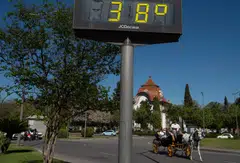
Scientists say that the record heat this summer was fuelled by climate change and that heatwaves are likely to grow more intense. But there are few safeguards for the tens of millions of workers increasingly exposed to rising temperatures on the job.
The Biden administration is taking steps to create new rules for employers, with two key steps expected in the coming months. A handful of states have put in place standards for work in extreme heat, including California, which requires employers to allow outdoor workers to rest in the shade in temperatures above 80 degrees.
But in other states, workers such as Soto, who makes US$15 an hour, continue to suffer as extreme heat spans the summer months and the early autumn. Dallas endured a record number of September days with temperatures above 37.8 deg C.
Navigate Asia in
a new global order
Get the insights delivered to your inbox.
“The worst-performing states are just not going to do it on their own,” said Dr Rosemary Sokas, an occupational health expert at Georgetown University. She co-wrote a recent article in The New England Journal of Medicine on the dangers now faced by workers in the absence of federal regulations.
Prodded in 2021 by President Joe Biden, the Occupational Safety and Health Administration (OSHA) is drafting guidelines for indoor and outdoor work in heat, which could allow the federal government to fine employers that violate its recommendations.
But OSHA is still plodding through a labyrinthine rulemaking process. The agency is required to go through nearly 50 steps, most of which are mandated by executive orders or by congressional legislation.
SEE ALSO






By the end of October, officials expect to complete a consultation with small businesses that would be affected by the standards. Business groups have opposed the possible rule, saying it could be onerous and expensive. By early next year, the agency could lay out a timeline for a rule proposal.
“That’s really a major milestone, because that’s the spot where the agency formally alerts the public that we are proposing a rule,” Andrew Levinson, OSHA’s director of standards, said in an interview.
Levinson said that the agency was planning to publish indoor and outdoor standards together, since workers “may be shuffling between outdoor work environments and then going into a warehouse, or into some other equipment processing area”. He added that OSHA had to consider different varieties of hot weather, such as dry and moist, and how they affect the body.
The agency’s current guidance for employers, with little enforcement muscle, may offer clues to its formal heat standard. Among the guidelines, experts say, could be acclimatisation – the practice of gradually easing workers into schedules that expose them to extreme heat. Many workers who have died from heat-related causes succumbed as they began a job.
The agency could also require employers to offer workers access to breaks, shade and cold water. In a statement to The New York Times, Soto’s employer, Prospect Airport Services, said that he had been stationed in a cooler work area and that it had offered additional breaks to employees working in a baggage-handling space where the air conditioning had been unreliable.
Federal lawmakers introduced legislation over the summer that would require OSHA to publish an emergency rule within a year after the Bill passes, a measure seen as unlikely to pass because of opposition in the Republican-controlled House.
One of its chief backers, Representative Greg Casar – a Texas Democrat – held a “thirst strike” over the summer to urge the fast-tracking of an OSHA rule. “It’s critical a rule is laid out over the next year,” he said, adding, “If we want to make it permanent, we need to pass legislation”.
David Michaels, a public health researcher at George Washington University who led OSHA during the Obama administration, said that the agency’s current timeline suggested that new standards might not come by next year.
Whenever it arrives, the rule “would be a game changer”, he said, adding: “There’s no question. And it will save lives.”
Extreme heat especially afflicts low-wage earners such as Soto. In higher temperatures, workers in poor counties lose more of their pay, researchers have found. And low-income Americans disproportionately suffer from chronic health conditions that make them more vulnerable to heat-related injuries.
How heat injures the body
Dangerous heatwaves are affecting more of the country, including states with typically milder climates.
The costs to the economy are vast. In 2021, more than 2.5 billion hours of labour in the US agriculture, construction, manufacturing and service sectors were lost to heat exposure, according to data compiled by The Lancet, the London-based medical publication. Productivity dips heavily in hot weather.
Few states offer more vivid examples of these new perils than Texas. More than 40 people have died in the state from heat-related causes since 2011, including a lineman and letter carrier over the summer.
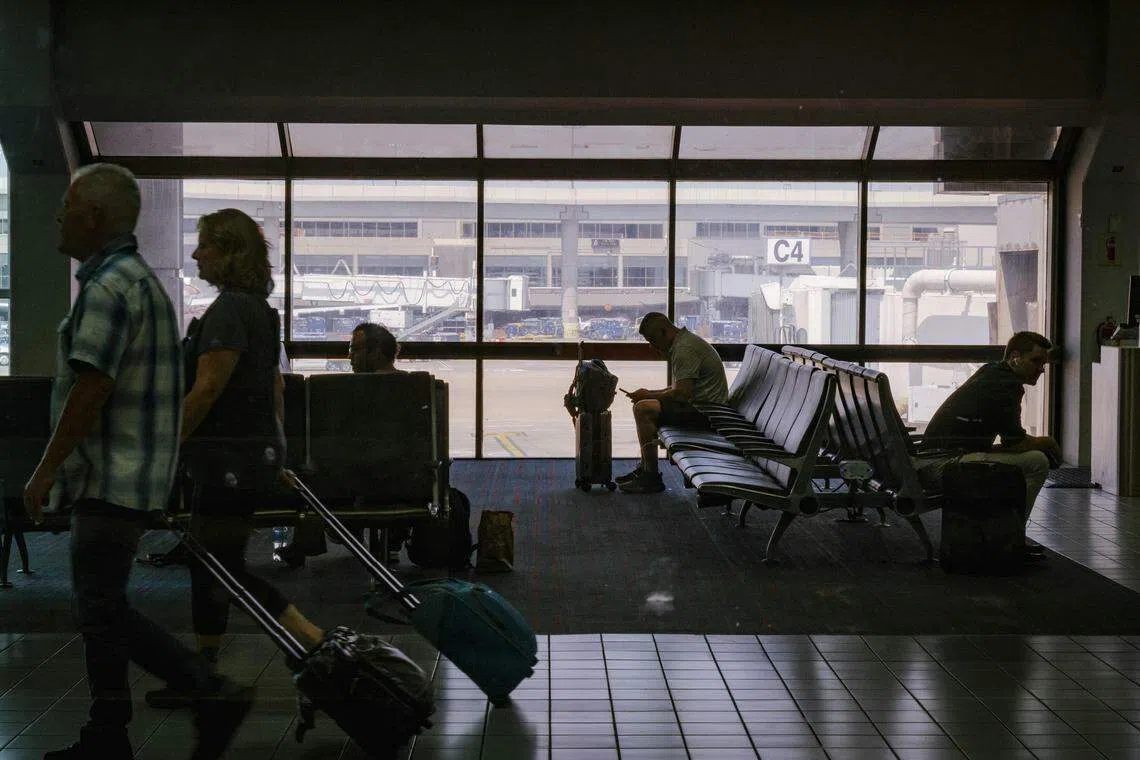
The risks to workers were apparent on a series of sweltering late summer days at DFW, where temperatures neared 43.3 deg C.
More than 650,000 Americans worked in commercial airports as of 2022, according to federal data compiled by the Service Employees International Union. Many have jobs that involve full or partial heat exposure – including wheelchair escorts, shuttle drivers and aeroplane cleaners – that can call for loitering in hot areas without adequate air conditioning.
Workers on the tarmac, such as baggage handlers, typically face the highest temperatures and most dangerous conditions. While some industries and employers have allowed workers to clock in early in the morning or late at night to avoid the worst of a day’s heat, flight schedules are fixed. Most airport workers cannot choose the time or place for their work.
Travun Watts, a contractor who makes US$14 an hour cleaning American Airlines planes at the airport between 2 pm and 10 pm, fainted one afternoon in August as he waited in a jet bridge in scorching weather.
Sitting in a baggage claim area on a recent afternoon before his shift, Watts, who has diabetes, recalled waking up at a Dallas hospital, uncertain about what had landed him there. “I felt like I was in a loop, incoherent,” he recalled.
To assess the limits of work in extreme heat, scientists point to what is known as the wet-bulb temperature – a measurement of both temperature and humidity. Above 35 deg C, sweat cannot evaporate, and the body cannot cool. Hours outdoors can be fatal.
“When you have hot conditions, there’s increased demand on the heart to pump more blood to the largest organ in our body, which is our skin,” said Dr Jonathan Patz, a scientist at the University of Wisconsin-Madison who has studied the environmental health effects of climate change.
Extreme heat can wreak havoc on the body’s major organs. The heart and the kidneys can become deprived of blood and oxygen, leading to kidney failure. If the brain becomes overheated and oxygen-deprived, it can halt the signals to the body to cool itself, preventing sweat.
Airports are particularly risky settings for work, with concrete structures and tarmac that easily retain heat, Patz noted.
Extreme heat can reduce the safety of indoor spaces by reducing airflow and raising the temperature of air-conditioned spaces. Terminal C, where Watts works, is older than others at the airport, with crowded walkways, unreliable air conditioning and drinking fountains with lukewarm water.
At 5.30 pm on a recent day, as the temperature hovered around 37.8 deg C, baggage employees rested their heads and arms on the ramps that funnelled bags out of flights in Terminal A.
Soto, the Dallas baggage claim worker, said that he had considered quitting, a move that could protect his health. But he recalled being a boy who was awestruck watching planes land at DFW with his father – a feeling that led to his dream of becoming a pilot.
Soto sometimes rides the airport’s outdoor tram system just to glimpse the aircraft. “Everyone wishes they could fly,” he said.
Decoding Asia newsletter: your guide to navigating Asia in a new global order. Sign up here to get Decoding Asia newsletter. Delivered to your inbox. Free.
Share with us your feedback on BT's products and services
TRENDING NOW

From 1MDB to ‘corporate mafia’: Is Malaysia facing a new governance test?

Middle East-linked energy supply shocks put Asean Power Grid back in focus

Beijing’s calculated silence on the Iran war

DPM Gan warns of 3 structural shifts to the global system that will bring greater challenges – and opportunities

