

McDonald’s India outlet gets regulatory warning over rotten tomatoes, reused oil
The outlet was issued a warning and given 14 days to fix its problems
 Add BT as a preferred source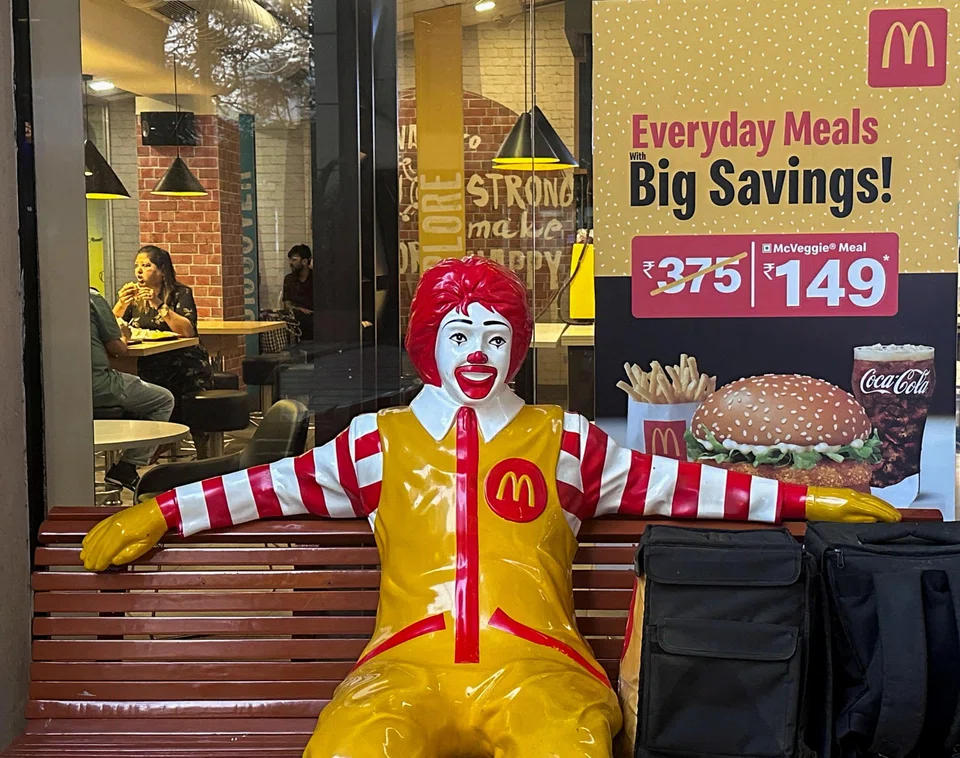
本文由AI辅助翻译
[NEW DELHI] Indian food safety officials have warned a McDonald’s outlet in Jaipur after an inspection found cooking oil unfit for consumption and rotten tomatoes in storage, prompting regulators to seize samples for testing, an official told Reuters.
During an inspection at the outlet on Monday in Jaipur, a tourist hotspot in the desert state of Rajasthan, inspectors found 40 litres of oil repeatedly used in cooking and unfit of consumption, government food safety officer Sushil Chotwani said.
That breached food safety norms and “officials collected oil samples for further testing,” Chotwani said.
McDonald’s spokesperson in the United States did not respond to Reuters queries outside regular business hours.
Its franchise for North and East India, Connaught Plaza Restaurants, said it was cooperating with the authorities and followed “rigorous McDonald’s global standards.”
Chotwani said McDonald’s was issued a warning and given 14 days to fix its practices at the outlet or face further “strict” action.



Officials would “inspect more McDonald’s outlets in the city,” he said.
Food adulteration is often reported across India, but safety lapses at high-profile brands like McDonald’s are rare.
McDonald’s is one of India’s most popular restaurant chains, with hundreds of outlets that draw customers with its burgers and other offerings. REUTERS
Decoding Asia newsletter: your guide to navigating Asia in a new global order. Sign up here to get Decoding Asia newsletter. Delivered to your inbox. Free.
Share with us your feedback on BT's products and services
TRENDING NOW
Buyer for England striker Harry Kane’s former mansion must pay £3.4 million after abandoning deal

Ohmyhome Ltd sells real estate business for token US$1 due to poor business and continued losses

What’s wrong with Orchard Road? Experts weigh in on the street’s cachet and its future

Malaysian tycoon Vincent Tan’s sell-downs point to pruning rather than an exit plan

