

Bank Indonesia joins global central banks in backing Fed’s Powell
It is the first monetary authority in South-east Asia to publicly throw its support behind Fed chairman Jerome Powell
 Add BT as a preferred source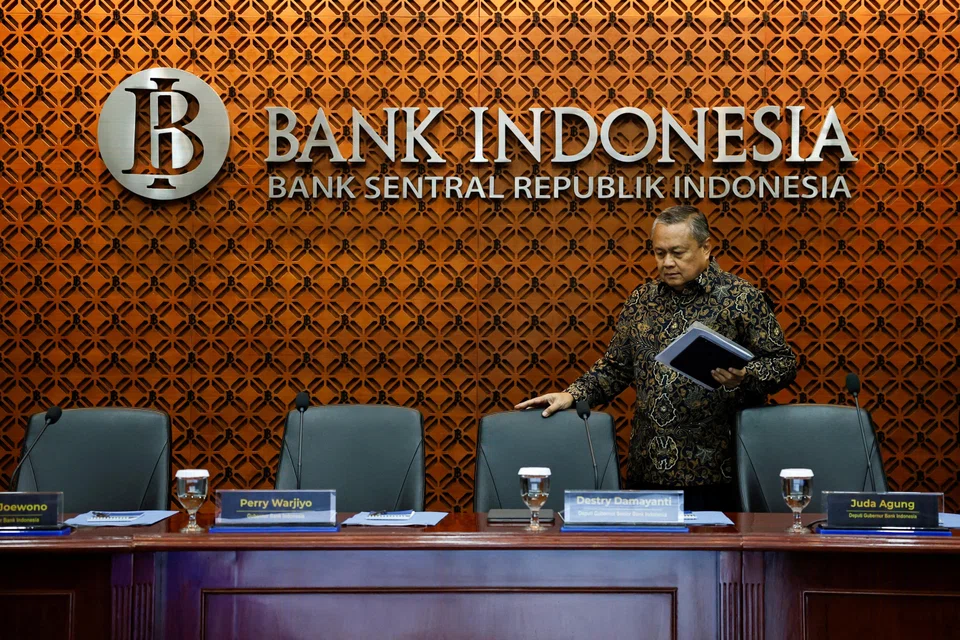
本文由AI辅助翻译
[JAKARTA] Bank Indonesia (BI) joined a group of global central banks in throwing its support behind Federal Reserve chairman Jerome Powell, becoming the first monetary authority in South-east Asia to publicly do so.
On Thursday (Jan 15), Perry Warjiyo, the governor of Indonesia’s central bank, was added to the list of signatories in an online statement of support. Bank Indonesia did not immediately respond to Bloomberg News when asked for a comment.
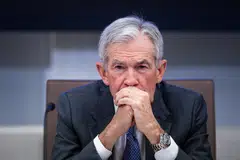
Central bank chiefs, including those at the European Central Bank and Bank of England earlier this week, expressed their support for Powell, after he said the Trump administration threatened the Fed with criminal charges.
The public support for Powell has proved politically tricky for some central banks.
New Zealand Foreign Affairs Minister Winston Peters criticised the governor of the Reserve Bank of New Zealand, Anna Breman, for signing onto the statement, saying the central bank should not involve itself in US domestic politics.
In Indonesia, the central bank has faced its own pressure around institutional independence.

The nation’s anti-corruption agency raided the central bank in late 2024, as part of an investigation into a corporate social responsibility program.
It is a case that remains ongoing and has kept BI under close public and political watch. BLOOMBERG
Decoding Asia newsletter: your guide to navigating Asia in a new global order. Sign up here to get Decoding Asia newsletter. Delivered to your inbox. Free.
Share with us your feedback on BT's products and services
TRENDING NOW

Ohmyhome Ltd sells real estate business for token US$1 due to poor business and continued losses

Buyer for England striker Harry Kane’s former mansion must pay £3.4 million after abandoning deal

Real estate firm Ohmyhome’s journey over the past 10 years

Malaysian tycoon Vincent Tan’s sell-downs point to pruning rather than an exit plan

