



US’ Bessent says soybeans ‘all taken care of’, cooling expectations for fresh Chinese buying
China bought just 15 per cent of its soybeans from the US last year
 Add BT as a preferred source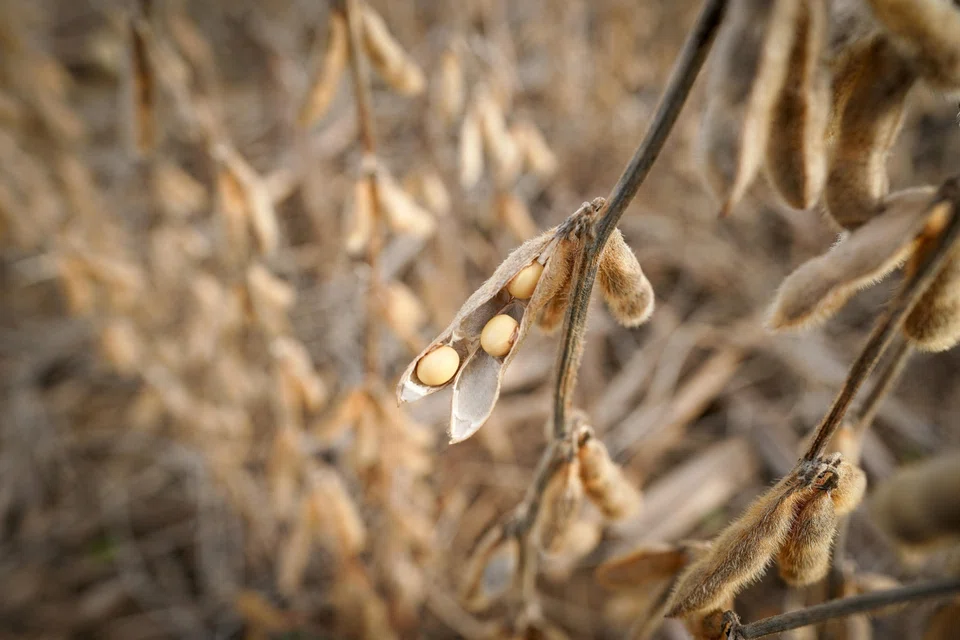
本文由AI辅助翻译
[BEIJING] US Treasury Secretary Scott Bessent said the existing purchase commitment by China means “soybeans are all taken care of,” tempering expectations for a higher buying target from China, as Presidents Donald Trump and Xi Jinping met in Beijing.
“And then soybeans, we have a very large purchase commitment from the Busan agreement for the next three years. So beans are really all taken care of,” he said in an interview with CNBC on Thursday.
Soybeans are the top US export to China, the world’s largest buyer by far, and the oilseeds have played a key role in trade negotiations during the first and second Trump administrations.
Traders and analysts have said they do not anticipate Beijing to increase purchases beyond the commitment made last October, amid weak domestic demand and competitively priced Brazilian supplies.
Instead, markets are awaiting clarity on how China plans to fulfil last year’s pledge to import 25 million metric tons of soybeans annually through 2028, which would mark the highest level since 2022.
China has dramatically scaled back its reliance on US oilseeds since Trump‘s first term, sourcing roughly 20 per cent of its soybeans from the US in 2024, the year before he returned to office, compared to 41 per cent in 2016.
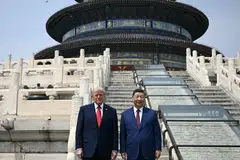
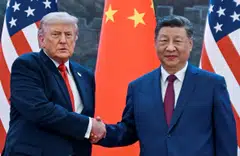
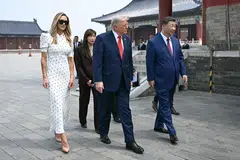
Last year, China bought just 15 per cent of its soybeans from the US. REUTERS
Decoding Asia newsletter: your guide to navigating Asia in a new global order. Sign up here to get Decoding Asia newsletter. Delivered to your inbox. Free.
Share with us your feedback on BT's products and services
TRENDING NOW
Malaysian tycoon Vincent Tan’s sell-downs point to pruning rather than an exit plan

As luxury retail goes big, can Singapore’s Orchard Road keep up?

Singapore banks may need to address indirect exposure to captive coal in their financing policies
What’s wrong with Orchard Road? Experts weigh in on the street’s cachet and its future

