

Zurich Insurance beats operating profit expectations, led by property and casualty arm
It reports a profit of US$8.9 billion across its businesses, above analysts’ estimate of US$8.8 billion
 Add BT as a preferred source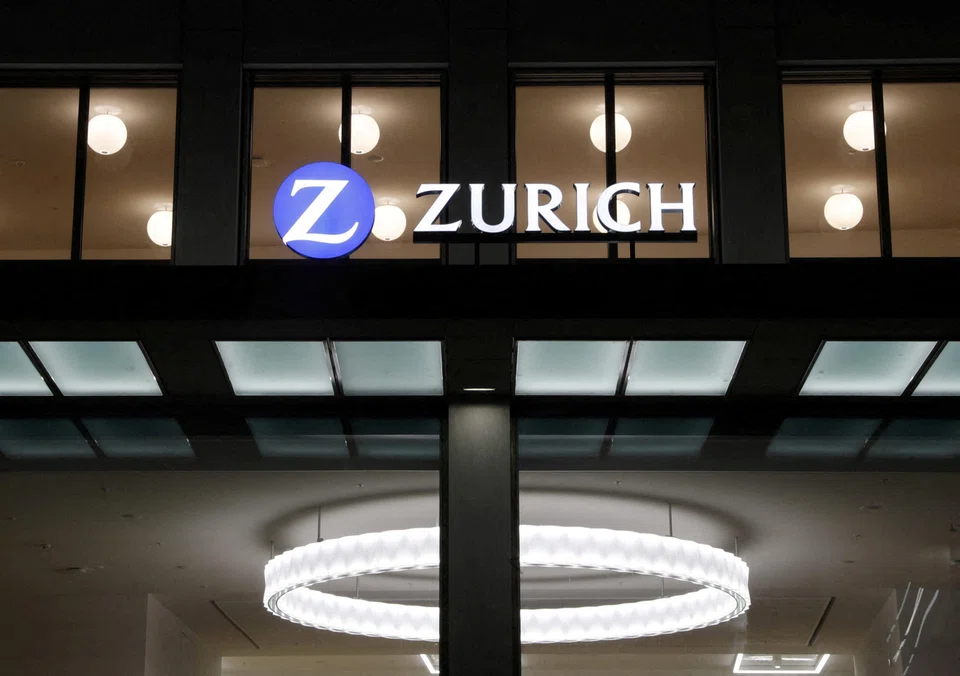
本文由AI辅助翻译
[ZURICH] Zurich Insurance beat market expectations for annual operating earnings on Thursday (Feb 19), fuelled by a better-than-expected performance in its property and casualty business, responsible for more than half of its gains.
Europe’s second-largest insurer by market capitalisation reported an operating profit of US$8.9 billion across its businesses, above analysts’ median estimate of US$8.8 billion, based on a poll provided by the company.
The property and casualty unit, Zurich’s core business that led the broad-based consensus beat, reported an operating profit of US$5.1 billion, benefitting from higher insurance revenue and an improved combined ratio of 92.6 per cent.
Its other main branches, life insurance and farmers’ divisions, reported operating profits of 0.6 per cent and 1.4 per cent, respectively, above analysts’ expectations.
The Swiss insurer is on track to achieve or even exceed its 2027 targets, chief executive officer Mario Greco said.
The company said in 2024 it was aiming for a core return on equity of more than 23 per cent between 2025 and 2027, and for cumulative cash generation exceeding US$19 billion in the same period.



Zurich Insurance said it would propose a dividend of 30 Swiss francs a share, in line with analysts’ expectations. REUTERS
Decoding Asia newsletter: your guide to navigating Asia in a new global order. Sign up here to get Decoding Asia newsletter. Delivered to your inbox. Free.
Share with us your feedback on BT's products and services
TRENDING NOW

Malaysian tycoon Vincent Tan’s sell-downs point to pruning rather than an exit plan

Asean must retain more value as its digital economy races towards US$2 trillion: Indonesian minister

Ohmyhome Ltd sells real estate business for token US$1 due to poor business and continued losses

Could Ohmyhome face Nasdaq delisting after selling its core unit for US$1? Experts weigh in

