

Modern life intrudes on Ethiopia's ancient salt trade
 Add BT as a preferred source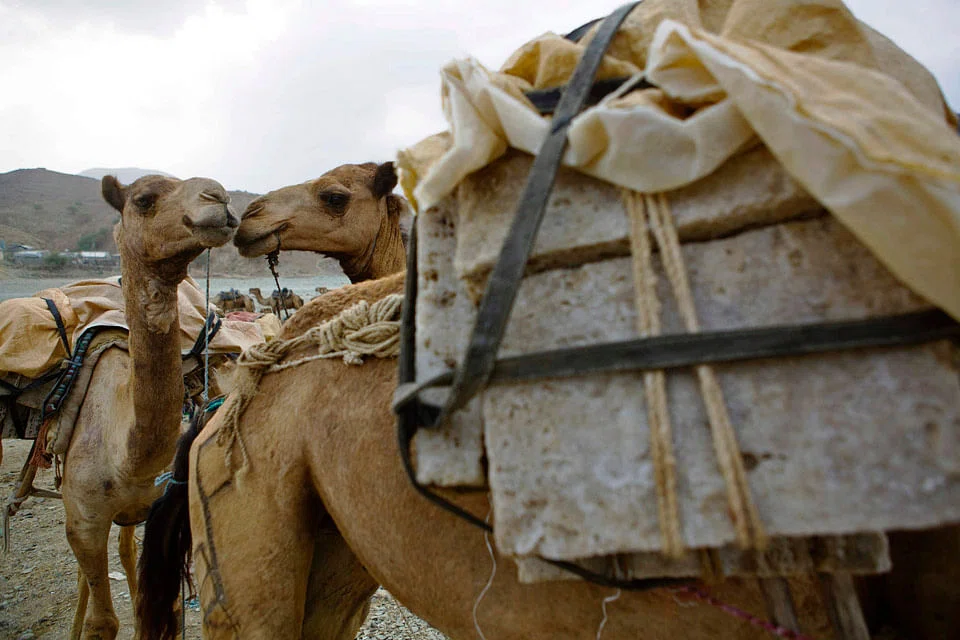
DeeperDive is a beta AI feature. Refer to full articles for the facts.
Lake Asale, Ethiopia
EVERY morning, hundreds of men converge on a dry lakebed in a remote corner of Ethiopia, where they cleave the ground open with handaxes to extract salt, just as their fathers and grandfathers once did. They toil under the gaze of a caravan of camels who will carry their salt bricks to market, in a trek that historians estimate has gone on since the sixth century.
But with the Ethiopian government opening the isolated northern region to investors and tourists by cutting new roads through surrounding mountains, the labourers, traders and caravan drivers that make up the industry say their traditional way of life could soon be lost. "If it continues like this, it will stop our work," miner Musa Idris said as he stood on the cracked earth that fringes Lake Asale, where the miners work amid temperatures that can reach 50 degrees Celsius, making it one of the world's hottest places.
Share with us your feedback on BT's products and services
TRENDING NOW
From 1MDB to ‘corporate mafia’: Is Malaysia facing a new governance test?

Higher costs, lower returns: Why are Singaporeans still betting on real estate?
South-east Asian markets account for 8.8% of global capital inflows from 2021 to 2024: report

Richard Eu on how core values, customers keep Singapore’s TCM chain Eu Yan Sang relevant

