

Korean premium produce gaining popularity in Singapore
A greater variety of high-end fruits and seafood give their Japanese equivalents a run for their money
 Add BT as a preferred source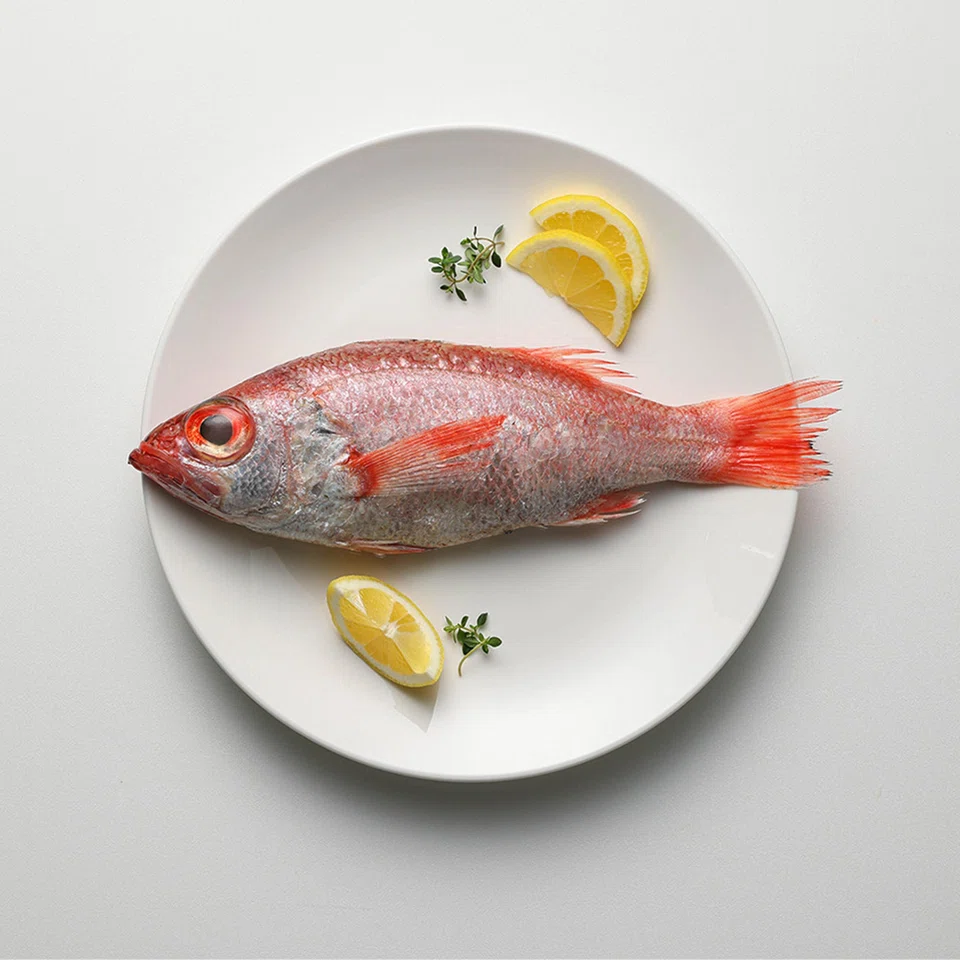

DeeperDive is a beta AI feature. Refer to full articles for the facts.
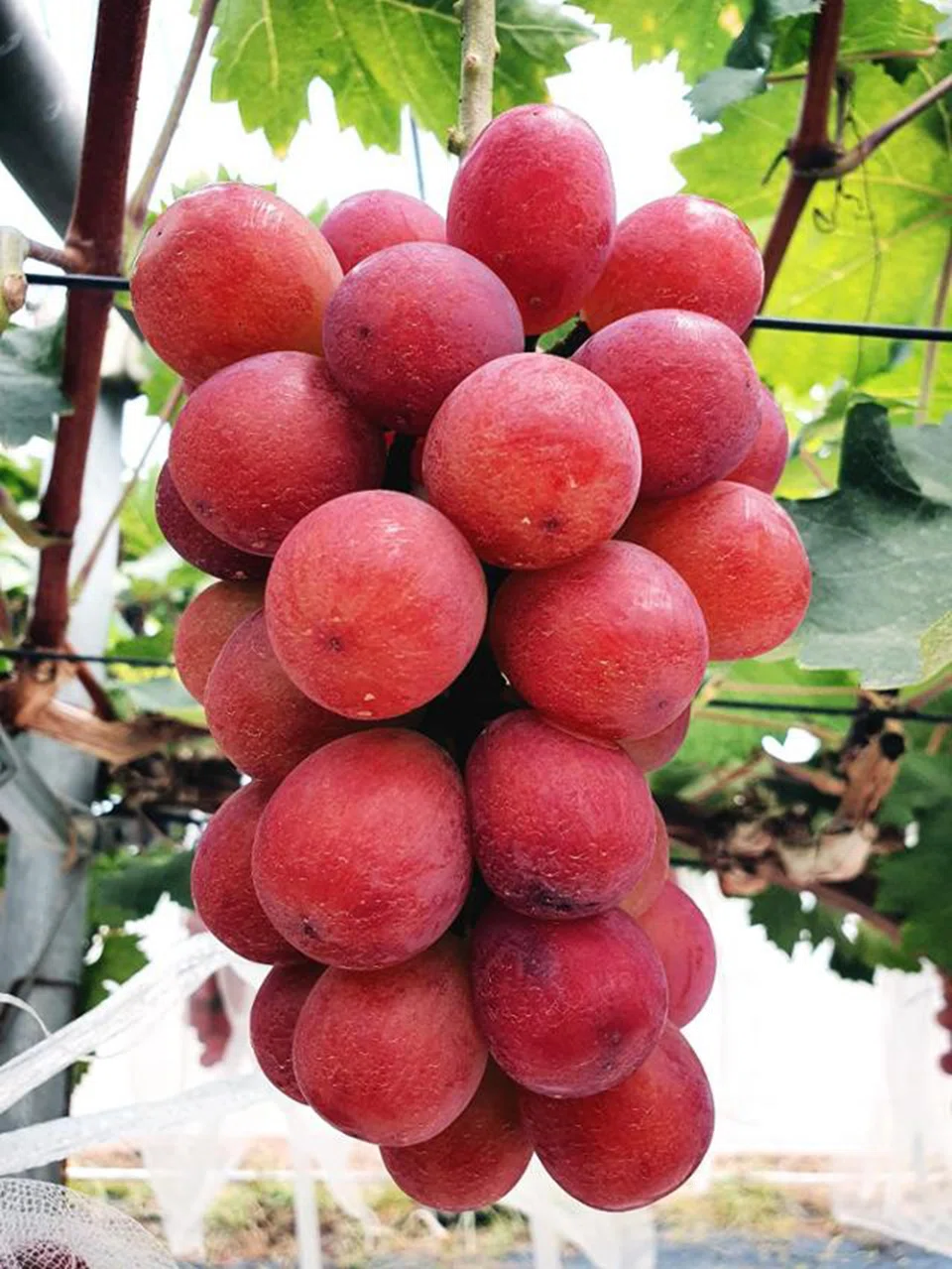
MATSUTAKE mushrooms. Shine Muscat grapes. Black-throat perch or nodoguro. Musk melons. Sakura ebi. Awabi or abalone.
They all sound like a typical shopping list a high-end restaurant in Singapore might be sending to its suppliers in Japan, but increasingly, that shopping list – with the necessary language adjustments – is being sent somewhere else. Specifically, South Korea.
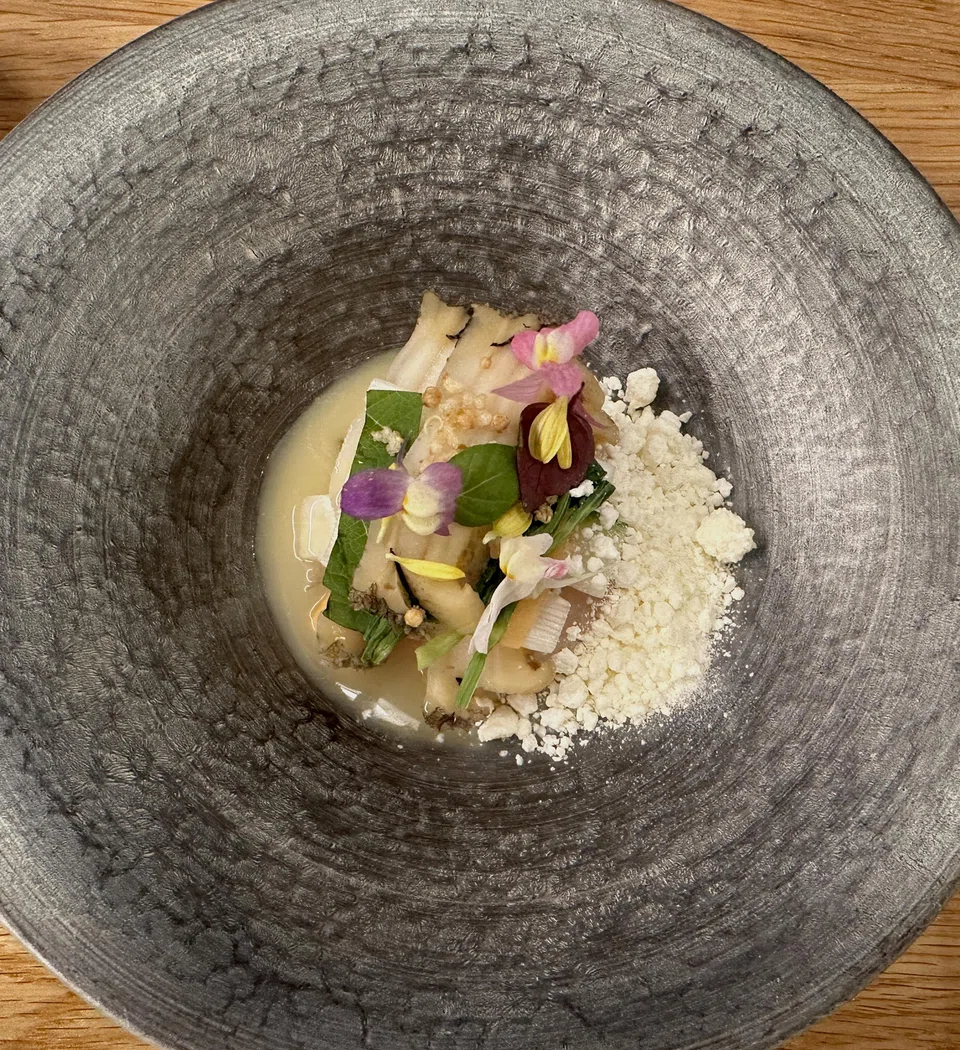
Besides fine-dining Korean restaurants such as Meta and Naeum, the likes of Cloudstreet, Labyrinth, Zen, Odette and Tarte by Cheryl Koh have warmed to the idea of using premium Korean versions of the same products. Abalone from the Korean province of Wando, for example, is becoming commonplace on menus (also for its friendlier pricing), while Korean songi or pine (matsutake) mushrooms are known to be equal to their Japanese counterparts (and just as expensive).
Decoding Asia newsletter: your guide to navigating Asia in a new global order. Sign up here to get Decoding Asia newsletter. Delivered to your inbox. Free.
Copyright SPH Media. All rights reserved.
TRENDING NOW

‘Boring’ is the new black: The stars are aligning for a Singapore stock market revival

Near sell-out launches in March boost developer sales to 1,300 units after four slow months

China pips the US if Asean is forced to choose, but analysts warn against reading it like a sports result

Genting Singapore’s Lim Kok Thay receives S$7.5 million pay package for FY2025

