

How Europe can manage without Russian gas
 Add BT as a preferred source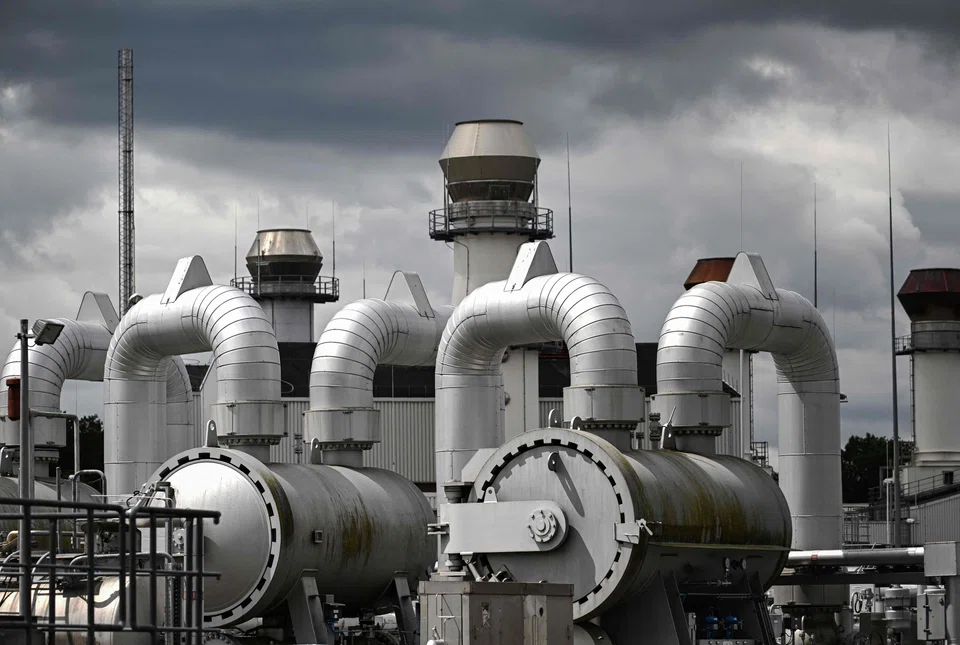
DeeperDive is a beta AI feature. Refer to full articles for the facts.
OVER the last few months, gas and electricity prices in Europe surged by nearly 100 per cent to unprecedented levels, then fell by a third, and have now soared again since Russia announced that operation of Nord Stream 1, its gas pipeline to Germany, would remain suspended indefinitely. Many European leaders have reacted to the wild swings in Europe’s energy exchanges by blaming markets. But shooting the messenger is never the right approach.
For European policymakers, energy markets’ extreme volatility proves that these markets are no longer rational. In fact, natural gas is becoming a scarce good, and energy prices are simply responding accordingly. Russia’s suspension of Nord Stream I was not unexpected, given that European gas storage levels are increasing rapidly, and Russian President Vladimir Putin knows that he will lose his geopolitical leverage if Europe is prepared for winter without Russian gas.
The scale of the problem is immense. Before it invaded Ukraine, Russia met about 30 per cent of Europe’s gas needs. Since February, European countries have been forced to compensate for this loss through energy savings and imports from alternative sources.
Decoding Asia newsletter: your guide to navigating Asia in a new global order. Sign up here to get Decoding Asia newsletter. Delivered to your inbox. Free.
Share with us your feedback on BT's products and services
TRENDING NOW

Air India asks Tata, Singapore Airlines for funds after US$2.4 billion loss
‘Boring’ is the new black: The stars are aligning for a Singapore stock market revival

From 1MDB to ‘corporate mafia’: Is Malaysia facing a new governance test?
South-east Asian markets account for 8.8% of global capital inflows from 2021 to 2024: report

