

Green vs growth: Can Singapore’s maritime sector decarbonise without losing pace?
 Add BT as a preferred source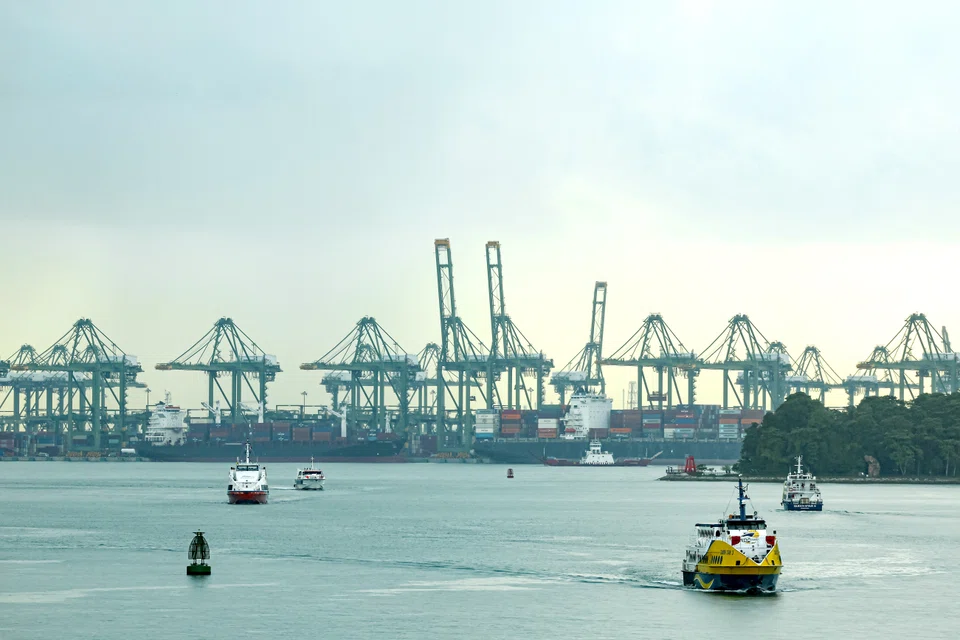
DeeperDive is a beta AI feature. Refer to full articles for the facts.
SINGAPORE’S ports bustle with activity, reflecting their historical significance as a hub for maritime trade. Evolving over time, these ports have grown to accommodate rising demand, solidifying their role as a cornerstone of the nation’s economic advancement. However, with the sector poised for strong growth, a new imperative has emerged – the need to decarbonise.
The global shipping industry, currently responsible for 2 to 3 per cent of global emissions, is racing towards an equitable transition and a 20 to 30 per cent reduction in shipping discharges by 2030.
This incentivises players to embrace measures such as the creation of “green” shipping corridors for vessels using clean fuels, the FuelEU maritime decarbonisation regulation and related incentives through the US Inflation Reduction Act.
Decoding Asia newsletter: your guide to navigating Asia in a new global order. Sign up here to get Decoding Asia newsletter. Delivered to your inbox. Free.
Share with us your feedback on BT's products and services
TRENDING NOW
‘Boring’ is the new black: The stars are aligning for a Singapore stock market revival

Near sell-out launches in March boost developer sales to 1,300 units after four slow months

China pips the US if Asean is forced to choose, but analysts warn against reading it like a sports result

Genting Singapore’s Lim Kok Thay receives S$7.5 million pay package for FY2025

