

China's skyscraper age is likely coming to an end
Urban sprawl, long commutes and changing workplace habits are spelling its demise, says ADAM MINTER
 Add BT as a preferred source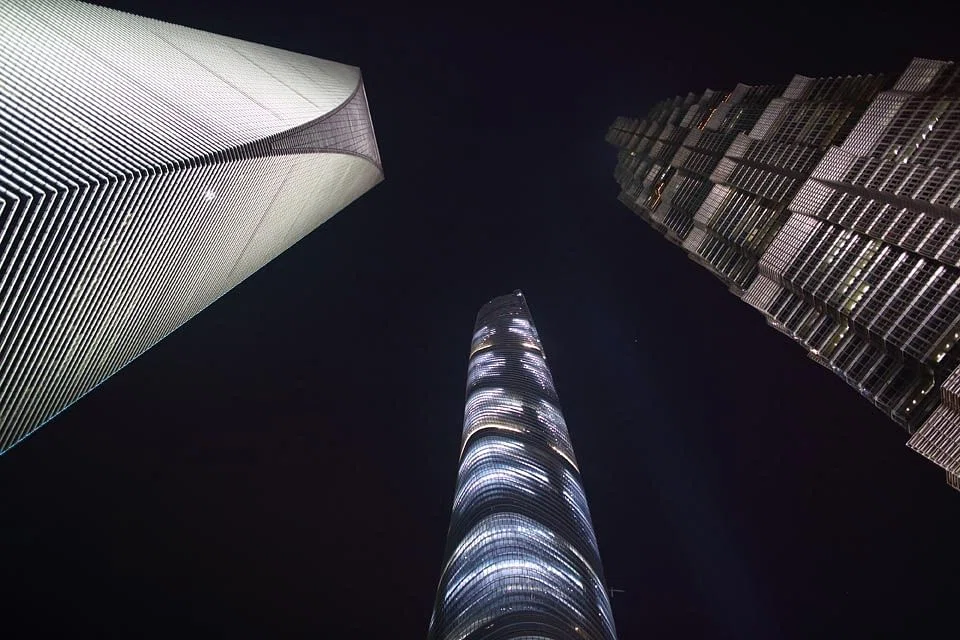
DeeperDive is a beta AI feature. Refer to full articles for the facts.
AT more than 2,000 feet (610 metres), Shanghai Tower is the world's second-tallest building. It looms over its neighbours - the world's ninth and 19th tallest buildings - in a supercluster of supertall structures unlike any other in the world. The only problem? Finding people to work there: Only 60 per cent of Shanghai Tower is rented out, and only a third of current tenants have actually occupied their leased space.
In this sense, Shanghai Tower signifies the end of an era. Its plight suggests some major changes are afoot in the real-estate market - and, more significantly, in how the professional class lives and works in China.
For two decades, Shanghai's skyline has symbolised China's economic renaissance and modernisation. That's by intention.
Copyright SPH Media. All rights reserved.
TRENDING NOW

Shelving S$5 billion office redevelopment plan proved ‘wise’ as geopolitical risks mount: OCBC chairman

Eurokars Group introduces rental car franchises Enterprise Rent-A-Car, National Car Rental, and Alamo to Singapore
20 photos that show how dramatically Singapore has changed in two decades
Singapore’s key exports up 15.3% in March from electronics surge, exceeding forecasts

