

A stroll through the shopping mall sector
The profitability of retail malls depends on their tenant mix, use of space and population income growth, reports CAI HAOXIANG
 Add BT as a preferred source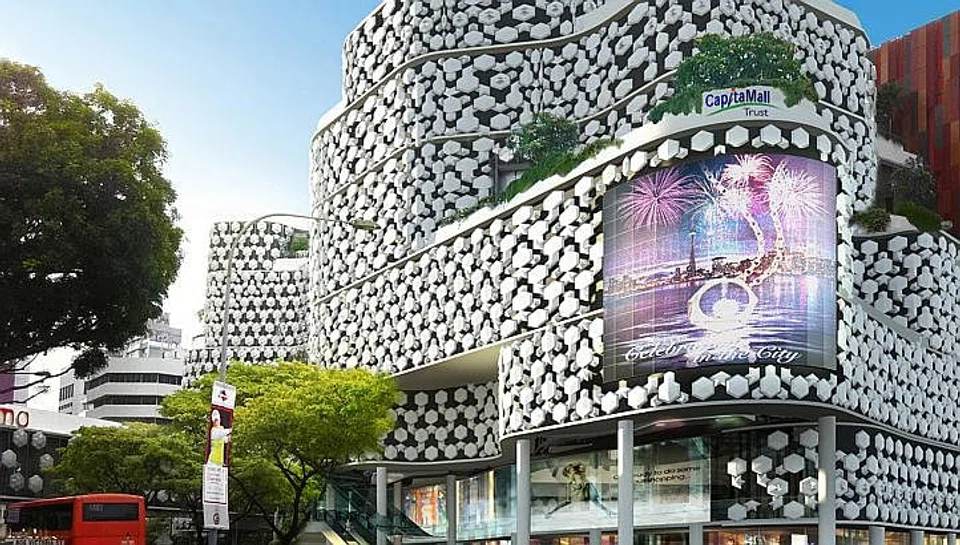
DeeperDive is a beta AI feature. Refer to full articles for the facts.
DUBLIN has its pubs, London has Trafalgar Square and New York, Times Square. In humid and rainy Singapore, however, the top hang-out spot of choice for food, shopping or leisure is probably the ubiquitous air-conditioned shopping centre.
There are more than 80 malls in Singapore, scattered over all parts of the island, usually located near an MRT station. What investors might not know is that they can invest in at least a quarter of these and collect dividends through the rental income mall landlords receive. They can also invest in malls in other markets too, such as Hong Kong, China, and Indonesia.
Today, we introduce the drivers of the industry behind the retail real estate investment trust (Reit) sector, which is arguably one of the more stable and defensive sectors in Singapore. This week's piece is focused more on a general look at the industry, its opportunities and challenges. A future piece will describe and evaluate individual retail Reits.
Copyright SPH Media. All rights reserved.
TRENDING NOW

Shelving S$5 billion office redevelopment plan proved ‘wise’ as geopolitical risks mount: OCBC chairman

Why where you park your joint venture matters: Lessons from a US$689 million shareholder dispute

China pips the US if Asean is forced to choose, but analysts warn against reading it like a sports result

Singaporeans can now buy record amount of yen per Singdollar

