



Logistics woes under the spotlight
Singapore
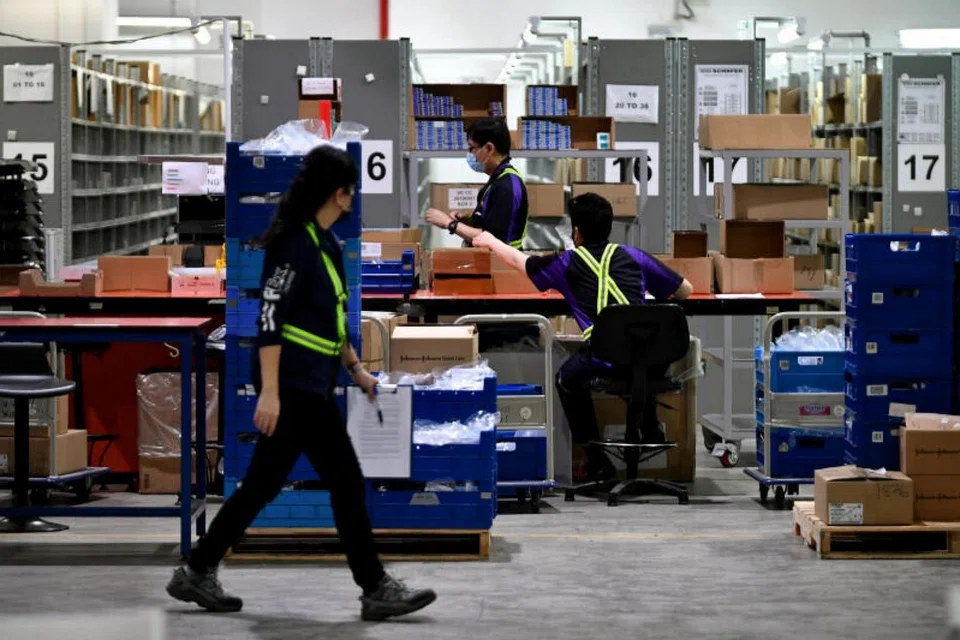
E-COMMERCE platforms in South-east Asia are seeing a boom in business as the pandemic causes more people to stay home. But the surge in online purchases has also amplified problems in logistics and delivery manpower.
The issue is especially pronounced as consumers in South-east Asia are dispersed across various jurisdictions, and the rising number of packages and warehouses have also added to the complexity of making deliveries.
A report issued last year by e-commerce logistics tracking platform Parcel Monitor and price comparison website iPrice Group showed that delivery time in Malaysia was most affected. In a study of 1.4 million parcel shipments in Singapore, Malaysia, Thailand, and Indonesia, it found that e-commerce delivery speed in Malaysia had decreased from the pre-pandemic average of 2.1 days to 4.6 days during the pandemic as a result of safe distancing measures.
Local consumer Ms Chen, 28, a teacher who frequently buys cosmetics and snacks online, said that shipping usually took three to five days before the pandemic, but this turned into five to seven days during the pandemic. "It's not because of shipping delays, it's because goods are taking longer to clear customs," she said.
SCI eCommerce CEO Joseph Liu said that delivery costs surged during the pandemic and logistics took longer. "Whether it's by sea or by air, booking cargo space became more difficult compared to before the pandemic. At the same time, the number of people working in customs was also reduced because of measures to control the spread of Covid-19."
JD.com South-east Asia president Soon Sze-Meng said that, at one point, when JD.com saw orders in Indonesia spike, its logistics infrastructure was at peak capacity. To ensure the fulfilment of orders, JD.com started working with Indonesia's biggest taxi company, Blue Bird, using their taxis to deliver parcels.
The report by Parcel Monitor and iPrice Group also noted that the logistics and delivery sector would be driven by smart technologies in the future, citing the example of the increasing number of self-service parcel pick up lockers across Singapore, Malaysia, Indonesia and Thailand in recent years, which gave more flexibility to the timing of pick-ups and delivery while minimising physical contact between couriers and customers.
Zhou Hao is a Journalist with Lianhe Zaobao China News Desk. This article is part of a collaboration on a series of weekly features translated from Lianhe Zaobao. The original story first appeared on May 30. The next package on June 14 will take a look at the development plans of Chinese financial firms in Singapore.
READ MORE:
- The evolution of cross-border e-commerce merchants
- China e-commerce players tap Asean market for growth
- Rich China tycoons park family offices in S'pore
- Singapore, Hong Kong play complementary roles in wealth management
- Chinese tech's next battleground
- Increasing number of China technology firms boost local tech ecosystem
- South-east Asia: A hotspot for Chinese enterprises in the post-pandemic era?
- Challenges faced by Chinese firms and Singapore's unique role
TRENDING NOW

Higher rates, weaker spending: Is the Philippines entering stagflation?

Cabin fever: Airlines are rushing to refurbish plane interiors, but will their bets pay off?
Sheng Siong has fallen from its highs. Can its defensive appeal endure?

Nvidia heads for US$470 billion two-day wipeout as CEO affair fallout deepens

