

Singapore, Hong Kong play complementary roles in wealth management
Singapore
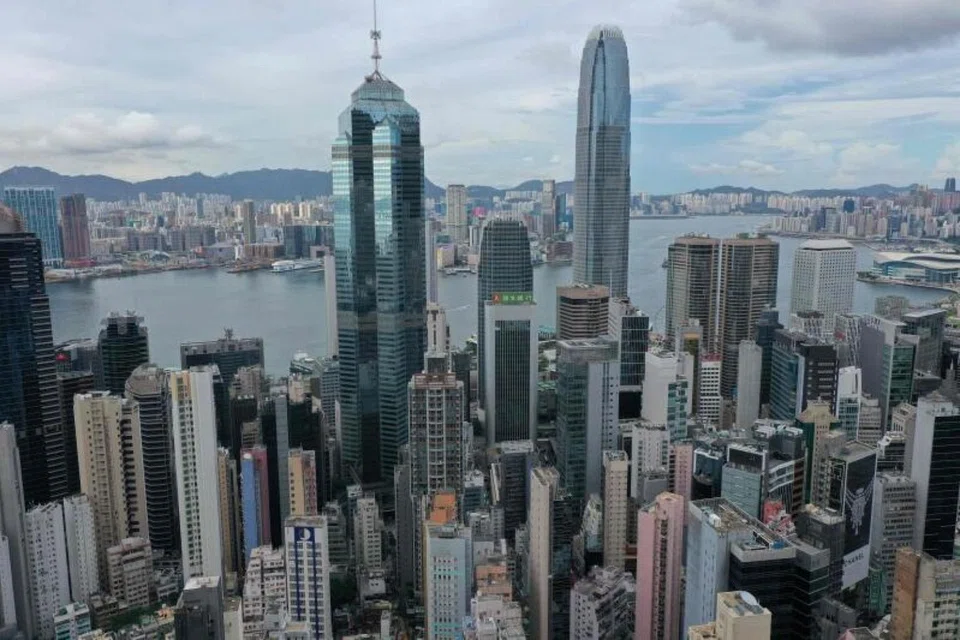
HONG Kong is the top capital market for Chinese enterprises venturing abroad. Data from the Hong Kong Stock Exchange (HKSE) showed that as at end-March this year, H-share and red-chip companies have a combined market value of over HK$12 trillion (S$2 trillion), making up 23 per cent of the total market value of all companies listed on the HKSE.
But in terms of wealth management, Singapore and Hong Kong are on par, observers said.
READ MORE:
The super rich are choosing Singapore as the world's safest haven
"Hong Kong has a vibrant capital market; many customers are looking for experts from Hong Kong to manage their assets," said Bank of Singapore's head of wealth planning for Greater China and North Asia, Joanna Ho. "Singapore's advantage comes from the dedicated tax incentives that have been launched."
DBS Private Bank wealth planning regional head Lee Woon Shiu said Hong Kong is rated highly by listed companies, but in the family office sector, its policies had not been as focused, until recently. In comparison, Singapore has shown greater foresight in developing the sector.
The Hong Kong market plays a complementary role in Singapore's family office sector, he added. The wealth of Chinese families is usually built on successful listings in Hong Kong.
As to whether the political turmoil dogging Hong Kong in recent years will make Singapore seem more attractive, Maegan Zhao - who moved some of her family's money from Hong Kong to Singapore - was candid in her assessment.
As her family and herself are Mandarin speakers, they had indeed felt some discomfort in Hong Kong in the last couple of years, and she would not feel as secure sending her son to school there.
"Chinese entrepreneurs have a common need to move some of their assets offshore; we also need to pay for the education of our children and our family's living expenses," said Ms Zhao, who has set up a single family office in Singapore.
"Although the economy in China is developing well, it's ideal to (park) some of the assets offshore, and not have all of it in China. And ensuring the security of these offshore assets is the main reason I am in Singapore."
Commenting on the common observation of the increasing influence that the China's central government wields over Hong Kong, Dean Advisory director Lucy Chen said that the impact on the Hong Kong stock market was positive. As the ties between mainland China and Hong Kong become closer, more good Chinese enterprises will choose to list in Hong Kong.
From the perspective of the entrepreneurs, Ms Chen said that the common belief is that Hong Kong's tax regime will become more heavily influenced by China. "They feel uncertain about the existing tax regime - whether it will be changed after 50 years, and this affects their wealth and heritage," she said. "From this point of view, Singapore has a more stable environment."
Singapore is also attractive because of a new legal structure that family offices can tap.
Of late, Ms Zhao has been in discussions with her friends to pool their funds together for joint investments through a variable capital company (VCC).
"We're looking at getting around US$100 million together for private equity and venture capital investment, allocating US$5 to US$10 million for each project," said Ms Zhao.
Launched by the Monetary Authority of Singapore (MAS) and the Accounting and Corporate Regulatory Authority (ACRA) in January last year, the VCC is a flexible framework that can be adopted by a single fund or an umbrella of two or more sub-funds.
The assets and liabilities of each sub-fund can be separated to safeguard shareholders' interests and enhance creditor protection, at the same time providing more flexibility for asset and risk management. In addition, VCCs are not required to make their list of shareholders public, conferring more privacy to investors.
VCCs are especially attractive to family offices looking at private equity investment, Mr Lee added. Some clients from China told him that many in their networks are also planning to come to Singapore. Many are entrepreneurs who have shifted their focus from publicly listed companies to private equity.
"Private equity investment usually involves a group of investors; under the structure of an ordinary company, the risks will be borne equally by all the shareholders," he said. "The VCC allows a legal basis for the clear demarcation of each shareholder's risk."
Chinese investors are also drawn to the ascent of South-east Asian tech companies in the last few years, including the likes of SEA Group, Razer, Grab, Gojek and Tokopedia.
Three years ago, while raising capital for a South-east Asia fund, venture capital firm Vertex Holdings received capital injection from two China-born billionaire investors who had settled in Singapore.
Chua Kee Lock, president and CEO of Vertex Holdings, said that the venture capital market in the region is in a phase of rapid growth, much like what China was 15 years ago. The successful listing of companies like SEA Group and Razer showed wealthy Chinese investors the potential for venture capital funds to make a lucrative exit, encouraging them to direct their investments into such funds.
Singapore is a small market, said DBS's Mr Lee, and family offices of investors from China are looking to the entire South-east Asian region for investment prospects from their base in Singapore, in the hope of expanding outside of their home country. This is where the bank's regional network gives it an edge.
According to Bank of Singapore's Ms Ho, the bank's headquarters in Singapore serves as a unique investment pipeline to the region for their family office clients, offering investments in hedge funds, private equity, direct investment and real estate; it also offers clients an Asian perspective on understanding their needs and goals.
Pang Kia Nian is SPH Chinese Media Group NewsHub's associate business editor. This article is part of a collaboration on a series of weekly features translated from Lianhe Zaobao. The original story first appeared on May 23. The next package on June 7 will take a look at Chinese e-commerce companies in South-east Asia.
READ MORE:
- Rich China tycoons park family offices in S'pore
- Chinese tech's next battleground
- Increasing number of China technology firms boost local tech ecosystem
- Singapore a popular base for China tech firms
- South-east Asia: A hotspot for Chinese enterprises in the post-pandemic era?
- Challenges faced by Chinese firms and Singapore's unique role
- Chinese tech's next battleground
Decoding Asia newsletter: your guide to navigating Asia in a new global order. Sign up here to get Decoding Asia newsletter. Delivered to your inbox. Free.
Share with us your feedback on BT's products and services