

Asia-Pacific investors outpace US and Europe in private credit push: State Street
Nearly half of institutions in the region plan to raise allocations over the next two years

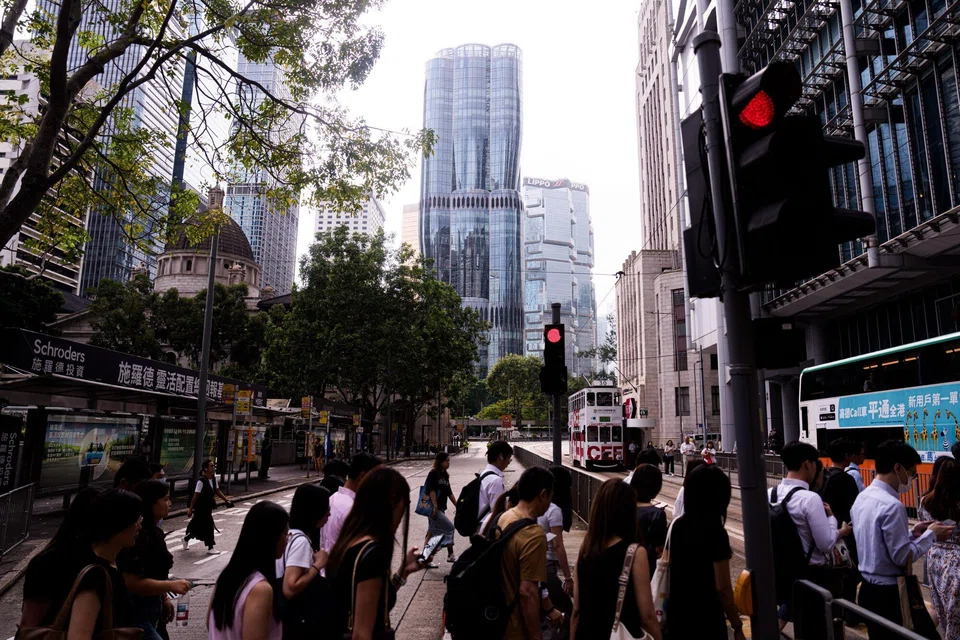
[SINGAPORE] Asia-Pacific institutional investors are ramping up exposure to private markets, reaching a pace that outstrips their Western counterparts, State Street has found.
A study – the findings of which were published on Tuesday (Jun 23) – revealed that 48 per cent of Asia-Pacific respondents plan to increase their exposure to private credit over the next two years.
The figure came in at 39 per cent for respondents in Europe, the Middle East and Africa and 31 per cent for those in the US.
More than 480 institutional investors globally were polled for the study, which was conducted in March and April.
In an interview with The Business Times, Eric Chng, senior managing director for global alternatives at State Street, attributed this to two factors: familiarity in credit and a lower proportion of allocation into private markets in Asia.
“Firstly, credit is not really new; it is the primary form of lending in Asia,” he said, referring to traditional bank lending.
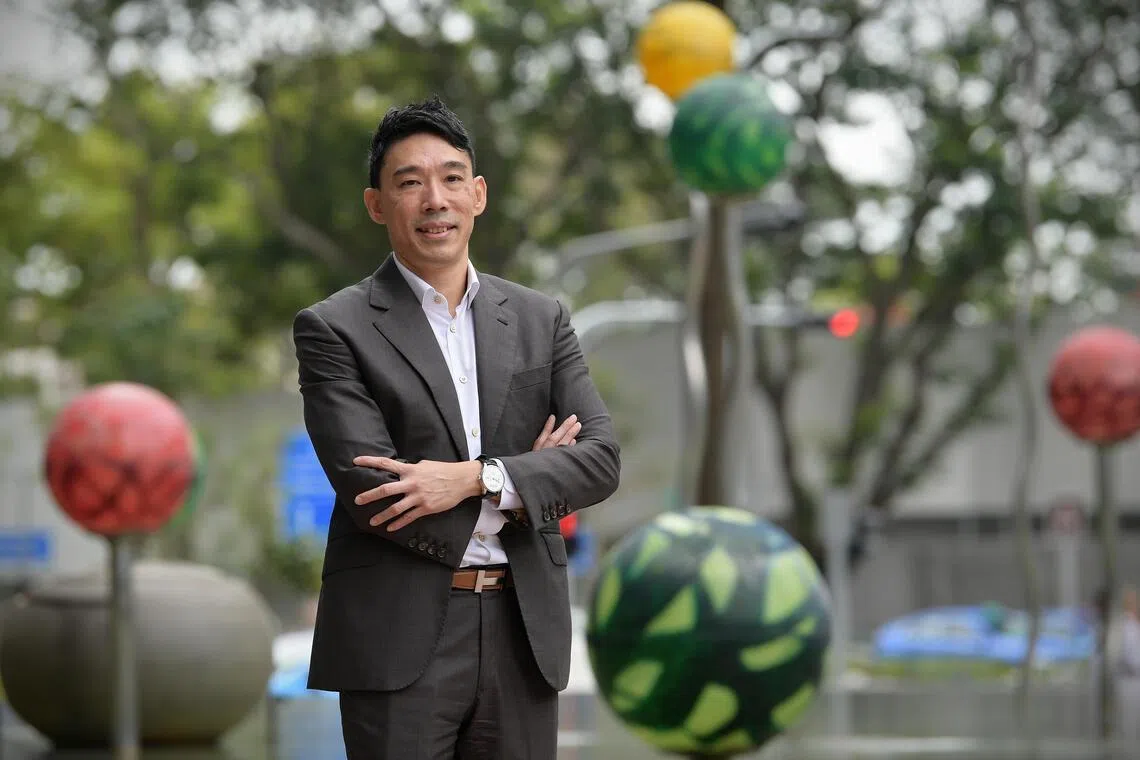
Chng noted that private credit could provide diversification of funding sources, allowing companies to be less reliant on only bank facilities for funding.
“Secondly, it is allocation. In the US and Europe, they have already been active in the private markets space for more than 20 years,” he pointed out. “Meanwhile, institutions in Asia are not as exposed.”
State Street’s survey, conducted amid heightened market volatility and geopolitical uncertainty, found that private market appetite has held up.


Globally, half of those surveyed intend to grow their allocations to private markets over the next two years, with 43 percent expected to maintain current levels. Only 7 per cent of asset owner respondents plan to reduce their exposure.
Chng pointed to three drivers: companies staying private for longer, elevated public market volatility, and yield enhancement.
As more wealth creation happens in private markets, investors focused solely on public equities risk missing out, he noted.
He added that private markets offer a smoother volatility profile than public markets, as well as a yield premium that has become increasingly attractive as public market returns compressed, given their illiquid nature.
AI emerges as the top investment theme
At the same time, interest in private markets is increasingly concentrated around artificial intelligence.
Globally, 30 per cent of respondents identified AI and AI infrastructure as their top investment theme for private market allocations.
Asia-Pacific investors are leaning into this theme even more heavily; 41 per cent of regional respondents chose AI as their top investment focus.
Healthcare and life sciences came in second at 18 per cent, followed jointly by green energy and transport infrastructure at 10 per cent each.
Meanwhile, other emerging technologies such as blockchain, tokenisation and quantum computing drew comparatively little interest.
Retail focused strategies to stay
Despite the volatility in private markets with the heightened redemptions seen in the first half of 2026, asset and wealth managers remain upbeat about broadening access to private markets.
Some 88 per cent of respondents globally – and 86 per cent in the Asia-Pacific – are already offering or planning to offer private market products tailored to individual investors.
Nearly six in 10 institutions in the region expect at least half of fundraising to come from retail-focused strategies within three years.
Chng said that investor education would be key for retail investors to understand the liquidity mismatch between the semi-liquid funds and their illiquid underlying assets.
It will also allow for investors to understand that private markets act as a diversification to their investment portfolio, he said, instead of looking at it as a core holding.
Chng added that product innovation would also play a big role in managing this mismatch.
A retail focused fund, he said, should have structures that cap retail participation at around 10 per cent or maintain larger cash buffers to cope with redemptions, rather than being fully invested in illiquid assets.
Risks and opportunities
Chng expects wealth management to become an increasingly important distribution channel for private markets over the next 12 months, alongside a greater focus on Asia.
He flagged two broader risks, however.
First, foreign-exchange risk is a key concern for Asia-Pacific investors, given that private markets are predominantly US dollar-denominated.
Second, he highlighted the growing systemic risk as private credit and private equity get more intertwined with real assets. The increasing correlation across asset classes is raising the pressure for more frequent and transparent valuations beyond today’s quarterly norm.
“In private markets, information is often published on a quarterly basis, though investors are looking to move towards more frequent valuations,” said Chng. “This increases the drive for more transparency.”
Decoding Asia newsletter: your guide to navigating Asia in a new global order. Sign up here to get Decoding Asia newsletter. Delivered to your inbox. Free.
Copyright SPH Media. All rights reserved.






