

Australia, New Zealand dollars wobble on war jitters, Kiwi inflation data in focus
Markets are 78% priced for a follow-up rate hike from the RBNZ in September
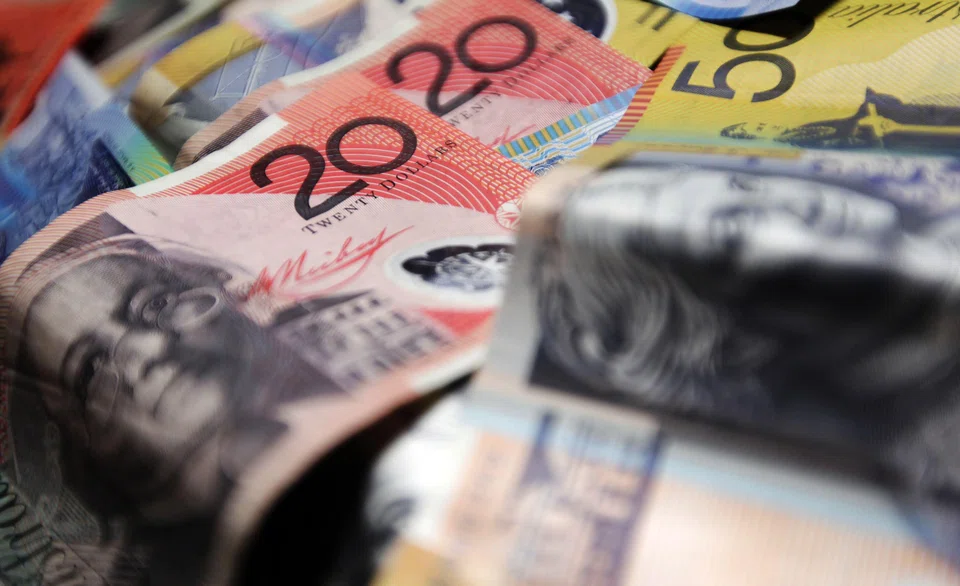
[SYDNEY] The Australian and New Zealand dollars struggled to steady on Monday as more US strikes on Iran sent oil prices sharply higher, with the kiwi bracing for a key inflation report that could help decide another near-term rate hike.
The Aussie hit a four-day low of US$0.6960 before reversing the losses to be 0.1 per cent higher at US$0.6988. That followed a 0.5 per cent gain last week with resistance at the recent three-week top of US$0.7021.
The kiwi dollar also slipped to an intraday low of US$0.5827 before recouping the losses to be flat at US$0.5844. It rallied 1.4 per cent last week on support from a hawkish outlook for domestic rates.
The US military started a ninth straight day of attacks against Iran and Teheran in turn struck targets across the region, as hostilities in the Middle East heated up again.
Brent crude climbed 3 per cent to cross US$90 a barrel for the first time in more than a month, complicating policy for the Antipodean central banks.
The Reserve Bank of New Zealand has signalled more hikes ahead, after raising its policy rate to 2.5 per cent earlier this month.
All eyes are on the inflation data due on Tuesday which are expected to show consumer inflation jumped to 4 per cent in the second quarter from 3.1 per cent before, as surging fuel prices pushed up costs.
The key focus will be non-tradeable inflation, which should indicate whether higher fuel costs are spilling over into broader domestic prices.
“A lower inflation print, specifically a lower non-tradable inflation print, will give the Reserve Bank more room to breathe. And this might mean we only see one more rate hike this year instead of two,” said Jarrod Kerr, chief economist at Kiwibank.


“A higher inflation print will give them steam to hike to 3 per cent by the end of the year.”
Markets are 78 per cent priced for a follow-up rate hike from the RBNZ in September, with rates peaking at 3.5 per cent mid next year.
The latest spike in oil prices had markets pricing in a greater risk of another rate hike from the Reserve Bank of Australia this year after three moves to 4.35 per cent. Another tightening by December is priced at 76 per cent.
That helped the Aussie rebound 0.2 per cent to NZ$1.1958 on Monday, bouncing away from a nearly 4-month low of NZ$1.1901.
Traders are also watching the Australian jobs data due on Thursday where forecasts are centered on a rise of 15,000 jobs in June and a steady unemployment rate at 4.4 per cent. Any unexpected weakness would lead markets to pare back the risk of another hike. REUTERS
Decoding Asia newsletter: your guide to navigating Asia in a new global order. Sign up here to get Decoding Asia newsletter. Delivered to your inbox. Free.
Share with us your feedback on BT's products and services
TRENDING NOW

Two Singapore-listed palm oil firms named in Greenpeace report on Indonesian plantation fires

Singapore Airlines flight returns to San Francisco after ‘unruly’ passenger incident

Singapore looking into which companies responsible for haze-causing fires: PM Wong

Deluge IPO 3.86 times subscribed ahead of SGX debut

