



Brent crude surpasses US$90 as US-Iran conflict escalates, highest in over a month
The US is conducting a ninth straight night of attacks against Iran
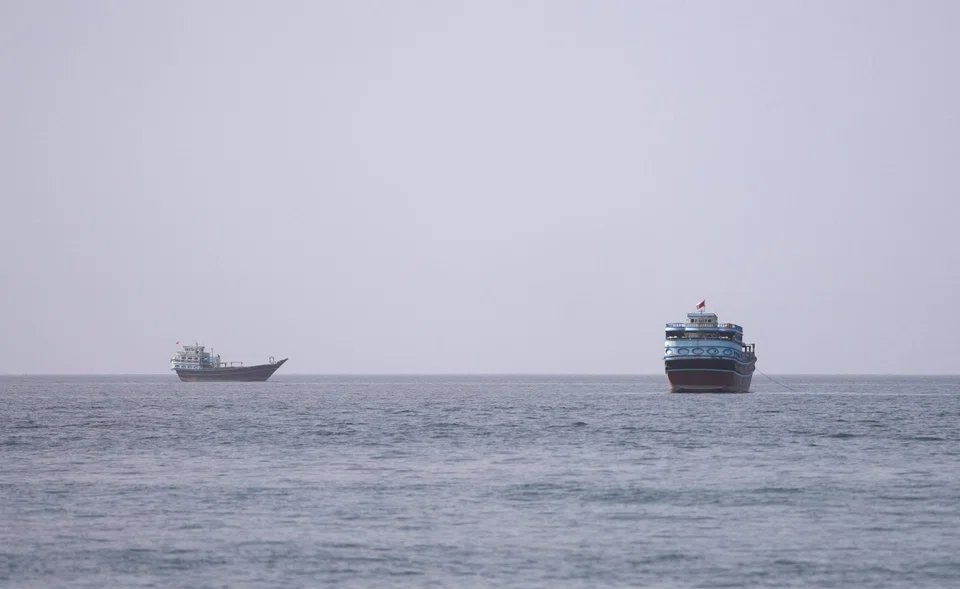
[SINGAPORE] Oil prices jumped about 3 per cent on Monday (Jul 20), with Brent oil prices surpassing US$90 per barrel, as escalating US-Iran hostilities in the Middle East restricted oil shipments through the Strait of Hormuz.
Brent crude futures climbed US$2.77, or 3.14 per cent, to US$90.87 by 0612 GMT, touching their highest level since June 11 and extending gains after rising 15.9 per cent in the week ended Jul 19. The weekly increase was the biggest since April.
US West Texas Intermediate crude was at US$84.84 a barrel, up US$2.35, or 2.85 per cent, the loftiest since Jun 12. Front-month prices gained 15.5 per cent in the week ended Jul 19, the largest weekly ascent since early March.
The Middle East conflict escalated over the Jul 18-19 weekend with the US conducting a ninth straight night of attacks against Iran, while US allies Kuwait and Bahrain reported more Iranian strikes.
“ICE Brent broke above US$90 per barrel this morning with no let-up in the escalation in the Gulf,” said ING analysts in a note on Monday.
“The US and Iran continue to exchange strikes, which are proving to be deadly for both sides. If this escalation goes unchecked, we could return to an environment of wide-scale attacks across the Gulf.”
The Islamic Revolutionary Guard Corps said on Monday that two oil tankers had exploded and been immobilised after attempting to transit what it described as an unsafe southern route through the Strait of Hormuz, alleging they had been encouraged by the US military to use the passage.
Reuters could not immediately verify the incident.
In recent days both sides have taken aim at shipping traffic, with the US saying it is enforcing a naval blockade on Iranian ports, and Iran saying it targets vessels violating its rules on navigating the Strait of Hormuz, which usually handles one-fifth of global oil trade.


A vessel was on fire north-west of Oman’s Kumzar, the United Kingdom Maritime Trade Operations agency said early on Monday.
“The coming days and weeks will provide a clearer picture of the sustainable level of oil exports from the region under renewed dual blockades,” Barclays analyst Amarpreet Singh said in a note.
“As things stand, we think oil markets are still too complacent about the potential fallout for inventories, which, unlike at the beginning of the war, are at the tightest of the past five years.”
Four vessels made the transit through the Strait of Hormuz on Sunday, down from eight in the previous day, LSEG data showed. At least three oil products tankers and one Very Large Crude Carrier, have entered the strait since Friday to load oil, the data showed. REUTERS
Decoding Asia newsletter: your guide to navigating Asia in a new global order. Sign up here to get Decoding Asia newsletter. Delivered to your inbox. Free.
Share with us your feedback on BT's products and services
TRENDING NOW

LTA proposes combining car COE categories, adding rebate-surcharge system

StarHub to acquire MyRepublic’s mobile business amid ongoing telco consolidation

DBS, OCBC, UOB rout lops billions off STI as inflation, rate concerns spook investors

Grab CEO’s wife Chloe Tong on life with Anthony Tan and finding her purpose

