

Bank of Korea holds rates steady amid tariff, household debt concerns
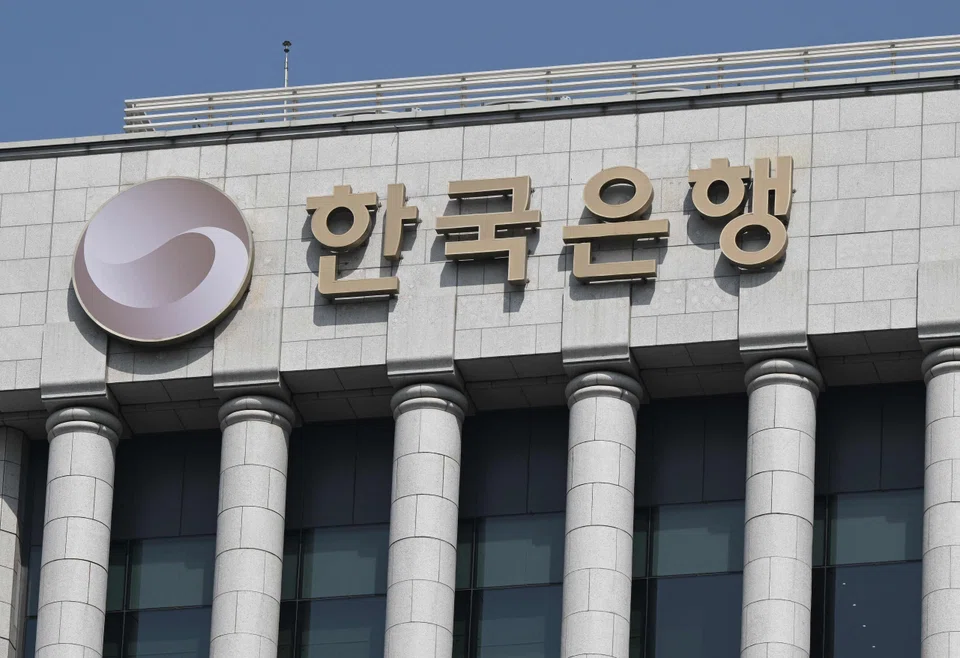
[SEOUL] South Korea’s central bank held interest rates steady on Thursday, as policymakers steered a cautious path amid concerns about financial stability risks stemming from rising household debt and economic pressure from US tariffs.
The Bank of Korea’s seven-member monetary policy board voted to keep its benchmark interest rate unchanged at 2.50 per cent, an outcome expected by all 33 economists in a Reuters poll.
Concerns of financial stability risks in Asia’s fourth-largest economy have grown in recent months, driven by home prices and household debt rising sharply on lower interest rates, prompting policymakers to introduce stricter mortgage rules.
Economists expect the central bank, which has lowered interest rates by a cumulative 100 basis points in the current easing cycle that started in October, to deliver at least one more rate cut of 25 basis points this year to underpin the economic recovery.
The government last week adopted a second supplementary budget for the year with a cash handout scheme to boost domestic demand, as President Lee Jae Myung, who took office on June 4, prioritises shoring up an economy grappling with trade risks and tepid consumption.
Earlier this week, US President Donald Trump ramped up the trade war he launched this year, telling partners, from powerhouse exporters such as Japan and South Korea to minor players, that they will face high tariffs from Aug 1.


Governor Rhee Chang Yong will hold a press conference at 0210 GMT, which will be livestreamed via YouTube. REUTERS
Decoding Asia newsletter: your guide to navigating Asia in a new global order. Sign up here to get Decoding Asia newsletter. Delivered to your inbox. Free.
Share with us your feedback on BT's products and services
TRENDING NOW

Once staunchly pro-China, Malaysian Chinese businesses are now distancing themselves from Beijing

Looking beyond looming CEO succession, should UOB potentially pursue a transformative merger?

Could stablecoins be the future of money?

Grab CEO’s wife Chloe Tong on life with Anthony Tan and finding her purpose

