Banks curb China trips, delay events after cross-border scrutiny
The moves also coincide with an intensifying drive by Chinese tax authorities to collect taxes on offshore income
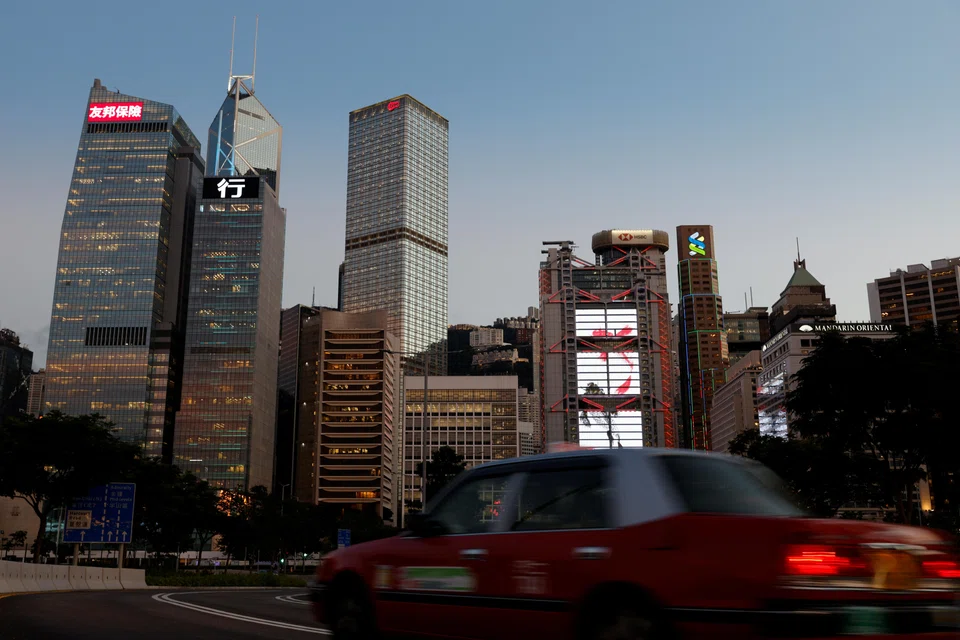
[HONG KONG] Private banks are postponing events in China and discouraging staff travel following an unprecedented regulatory crackdown on cross-border investment flows, as scrutiny intensifies from regulators in both Beijing and Hong Kong.
UBS Group’s mid-year wealth outlook, originally scheduled to take place this month in mainland China, has been postponed, while it’s going ahead with other events, according to sources familiar with the matter.
At HSBC Holdings, a China-based event is still proceeding but it’s discouraging non-essential mainland travel for Hong Kong-based private bankers. Some who had planned to attend have cancelled their trips, one of the sources said, asking not to be identified discussing private matters.
Standard Chartered said that it’s reviewing its policies.
Banks are reassessing their approach on the mainland after Beijing launched its most aggressive campaign yet against unauthorised cross-border trading to stem capital flight. China resident outflows reached an estimated record of US$807 billion last year, according to data from the Institute of International Finance, driven by a weakening domestic economic outlook and a desire for global asset diversification.
Beijing launched a sharp escalation from previous rounds of crackdown over the years that included requiring online brokerages to stop onboarding new onshore investors and barring purchases of insurance products in Hong Kong with China credit and debit cards. The moves also coincide with an intensifying drive by Chinese tax authorities to collect taxes on offshore income.
“We are looking forward to hosting our biannual investment outlook events next week for clients in China and related travel plans will proceed as usual,” an HSBC spokesperson said. UBS declined to comment.
The China Securities Regulatory Commission recently slapped more than US$330 million in combined penalties on three major online brokerages for providing offshore trading services to mainland clients without proper regulatory approval. Regulators also ordered all non-compliant existing retail accounts to be liquidated within a two-year wind-down period.
Hong Kong watchdogs have simultaneously tightened the screws, instructing local banks to ensure all new clients sign explicit declarations confirming that the funds in their investment accounts originated outside mainland China. The measures are already impacting new business, as firms worry that regulators may demand concrete proof of foreign asset origin even after a client signs the declaration, one source said.

Standard Chartered interim chief financial officer Manus Costello said at a Goldman Sachs conference in Zurich on Wednesday that 30 per cent of the net new money the banks generates is from “global Chinese clients” with money already sitting offshore.
“We are obviously reviewing our policies, procedures, and making sure that we are compliant,” he said.
Mainland residents have long used Hong Kong’s financial system to bypass Beijing’s strict capital controls, which legally limit annual foreign currency purchases to US$50,000 per person. This steady influx of mainland wealth has for years been a lucrative revenue engine for the city’s largest lenders, asset managers and insurers.
Travel by offshore private bankers to the mainland has always been a regulatory grey area subject to strict compliance limits.
Relationship managers travelling onshore are legally prohibited from soliciting business or discussing specific investment products, though they are permitted to hold general relationship-building meetings with clients.
Major Chinese state-backed lenders operating in Hong Kong have quietly suspended the opening of new offshore wealth management accounts for mainland residents. At the same time, international firms are dramatically ramping up due diligence on existing savings and investment portfolios.
The crackdown has taken its toll on financial firms’ shares. Up Fintech Holding, owner of Tiger Brokers, tumbled 25 per cent in New York when the measures were announced on May 22, before regaining some ground. Futu Holdings, another broker that was fined, is down 23 per cent since the announcement.
The losses spread to several financial giants in Hong Kong late Thursday after a media report that Bank of East Asia’s Shanghai branch has suspended opening Hong Kong bank accounts for clients in mainland China.
Standard Chartered fell as much as 7.6 per cent on Thursday in London, while HSBC was off about 6 per cent before pairing losses. AIA Group, a beneficiary of cross-border insurance buying, slumped 6.9 per cent in Hong Kong to a six-month low. BLOOMBERG
Decoding Asia newsletter: your guide to navigating Asia in a new global order. Sign up here to get Decoding Asia newsletter. Delivered to your inbox. Free.
Share with us your feedback on BT's products and services