

China allows some banks to offer higher rates on US dollar deposits
The move signals a relaxation of a ceiling imposed in 2023, when the renminbi was under pressure
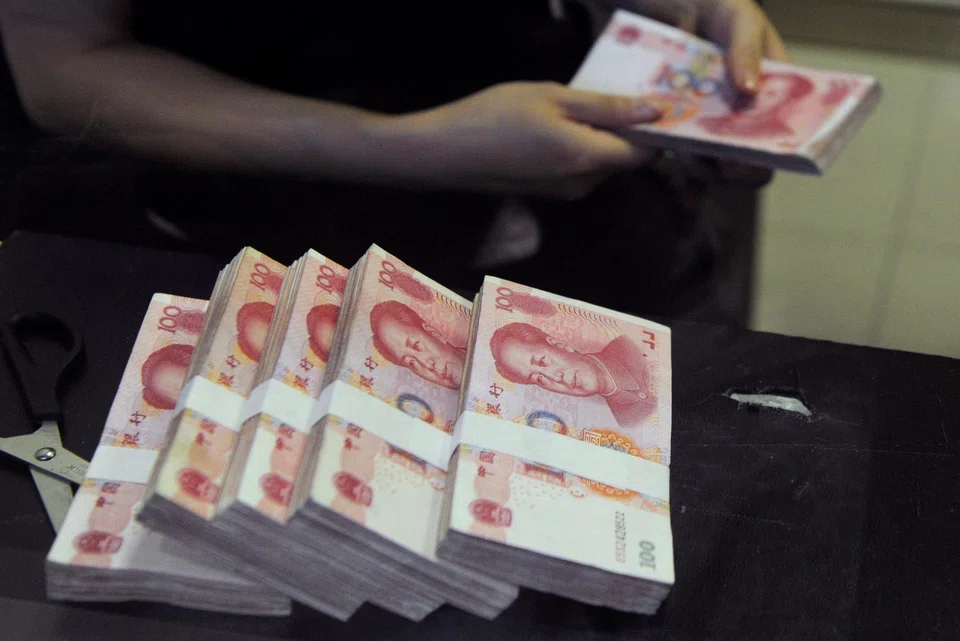
[BEIJING] China is allowing some banks to offer higher interest rates on corporate US dollar deposits, sources said.
It is a move that may damp the renminbi’s recent gains by encouraging companies to slow their currency conversion.
A handful of Chinese banks, including some state-backed lenders, have been told by authorities they can collect onshore US dollar deposits at rates above the US Secured Overnight Financing Rate (SOFR), said the sources, asking not to be identified discussing private matters.
The SOFR is around 3.61 per cent.
The move signals a relaxation of an effective ceiling imposed in 2023, when the renminbi was under pressure.
At the time, regulators worried that higher US dollar deposit rates would encourage companies to shift funds from the local currency into US dollars to earn better returns, which would further weaken the renminbi.
The sources added that at least three banks have received the guidance in recent days, but have yet to take action.
Representatives of China’s Interest Rate Self-Regulatory Mechanism, an industry body that coordinates market pricing under the guidance of the People’s Bank of China, did not respond to queries.
While Chinese banks had previously used structured products to attract US dollar deposits above the SOFR cap, the sources said the latest guidance gives lenders more flexibility to compete for foreign-currency funds.

It could also encourage companies to keep export proceeds and other cash holdings in US dollars rather than converting them into renminbi, helping to curb appreciation in the Chinese currency.
The onshore renminbi has gained more than 3 per cent against the US dollar this year to 6.77 on Friday (Jun 5), making it Asia’s best-performing currency, as improving sentiment towards Chinese assets boosted demand.
Analysts have been forecasting further gains, with Goldman Sachs expecting the currency to strengthen to about 6.5 in the coming year. BLOOMBERG
Decoding Asia newsletter: your guide to navigating Asia in a new global order. Sign up here to get Decoding Asia newsletter. Delivered to your inbox. Free.
Share with us your feedback on BT's products and services
TRENDING NOW

DBS, OCBC, UOB rout lops billions off STI as inflation, rate concerns spook investors

Grab CEO’s wife Chloe Tong on life with Anthony Tan and finding her purpose

OCBC sheds S$8 billion in value as shares close nearly 6% down; analysts cautious on banks

Deal between tycoon friends sparks scrutiny of Philippine power sector

